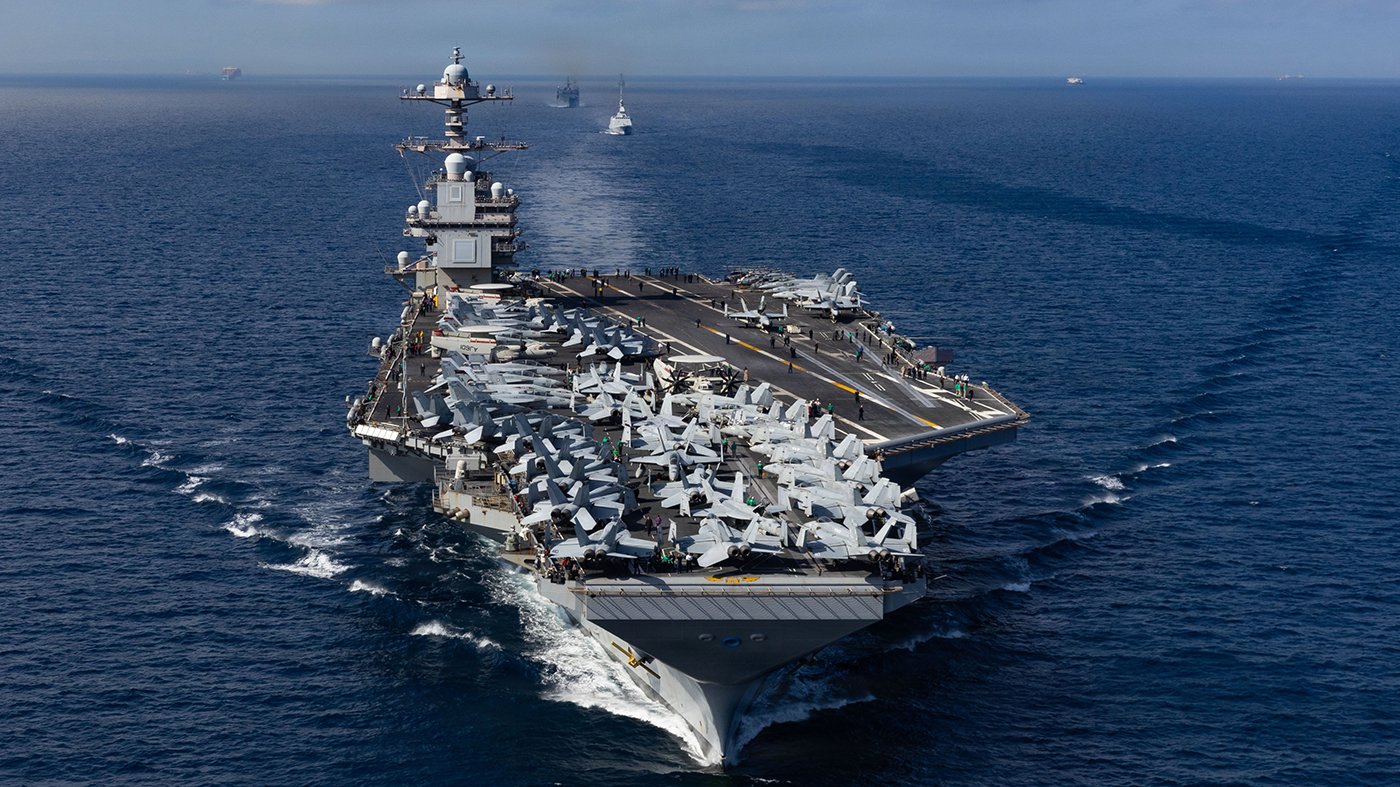
The U.S. Navy's newest and largest aircraft carrier, the USS Gerald R. Ford, has diverted from the Persian Gulf to a naval base in Greece for maintenance and repairs. The vessel arrived at Souda Bay, Crete, on Monday after a laundry room fire damaged the ship on March 12, injuring two sailors and damaging approximately one hundred bunks.
This unscheduled port call creates a temporary gap in American naval power in the Middle East. With the Ford's departure, the United States currently has only one aircraft carrier, the USS Abraham Lincoln, actively deployed in the region for operations against Iran. This reduction in force comes as the Trump administration has recently extended diplomatic ultimatums to Tehran while pausing military strikes.
In a statement, the Navy emphasized that the Ford "remains fully mission capable" and that the stop in Greece "allows for the ship to undergo efficient assessment, repairs, and resupply." The Gerald R. Ford Carrier Strike Group is continuing its overseas deployment. The carrier last visited Souda Bay in February for routine replenishment of food, fuel, and ammunition.
Extended Deployment and Mounting Problems
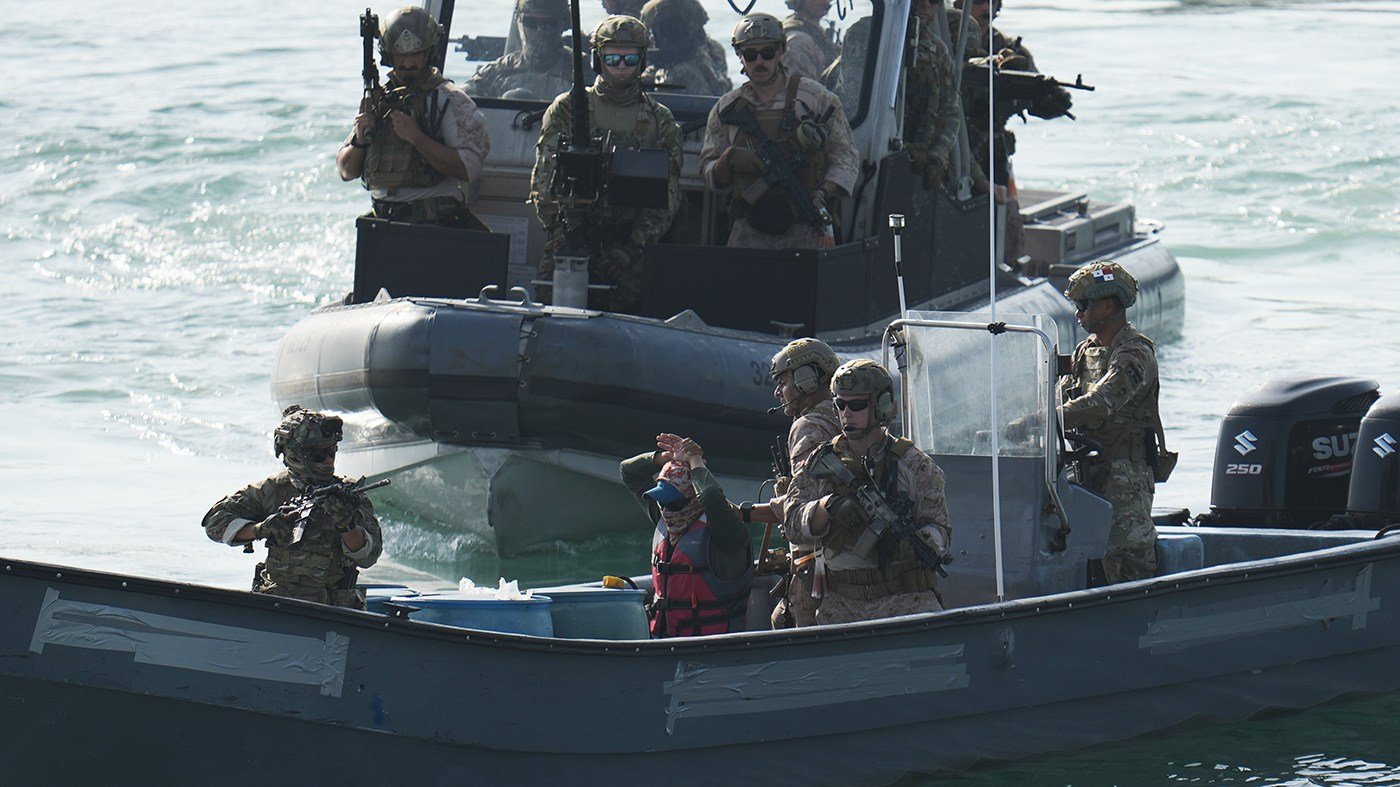
The Ford's current troubles follow a grueling, nearly nine-month deployment that has seen the vessel operate across multiple theaters. After departing Norfolk, Virginia, in June, the carrier was initially sent to European waters before being redirected to the Caribbean. There, it supported a significant Pentagon buildup near Venezuela, an operation that contributed to the ouster of Venezuelan leader Nicolas Maduro and involved strikes on alleged drug-smuggling vessels.
The carrier was ordered to the Persian Gulf in early February as tensions between Washington and Tehran escalated. Since arriving, the ship has reportedly experienced issues with its toilet system prior to the more serious laundry room fire.
Political Criticism of the Mission
The extended deployment and recent incident have drawn criticism from Capitol Hill. Senator Mark Warner, the Democratic vice-chair of the Senate Intelligence Committee, labeled the fire "incredibly concerning" last week.
"The Ford and its crew have been pushed to the brink after nearly a year at sea, and they have been paying the price for President Donald Trump's reckless military decisions," Warner said in a statement. This criticism echoes broader political debates over the administration's foreign policy, similar to the divisions seen in the recent Georgia runoff debate where candidates split sharply on the Iran war and economic priorities.
The Ford's role has been central to the administration's military pressure campaign against Iran, housing dozens of aircraft and thousands of personnel supporting air operations. Its temporary absence underscores the strain on naval assets from prolonged forward deployment. The situation also highlights the complex diplomatic and military landscape, where public claims about seeking deals, such as those recently cited by Israeli Prime Minister Netanyahu and denied by Tehran, coexist with sustained military posturing.
The Navy has not provided a specific timeline for the completion of repairs or the Ford's return to the Middle East. The duration of this maintenance period will determine how long the U.S. operates with a reduced carrier presence in a region of ongoing strategic confrontation.