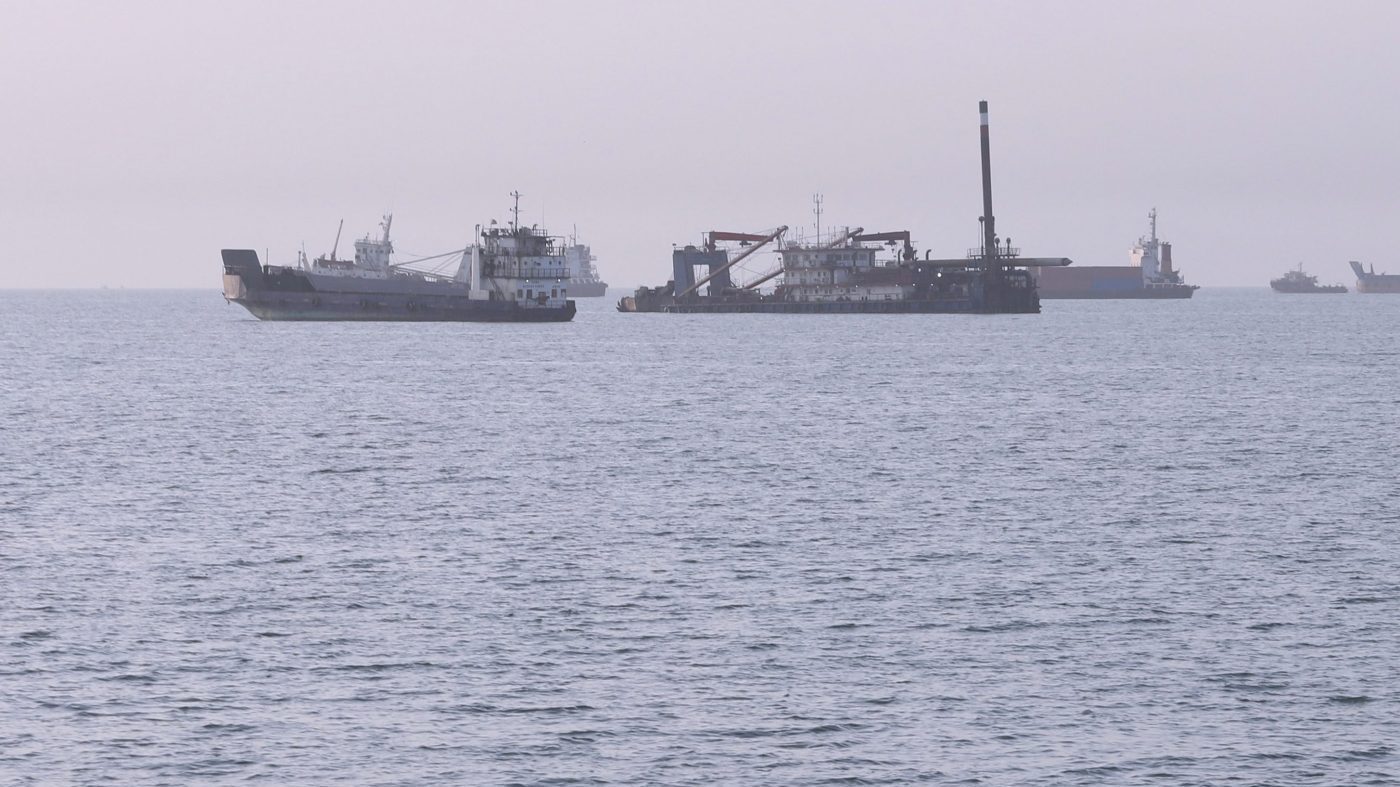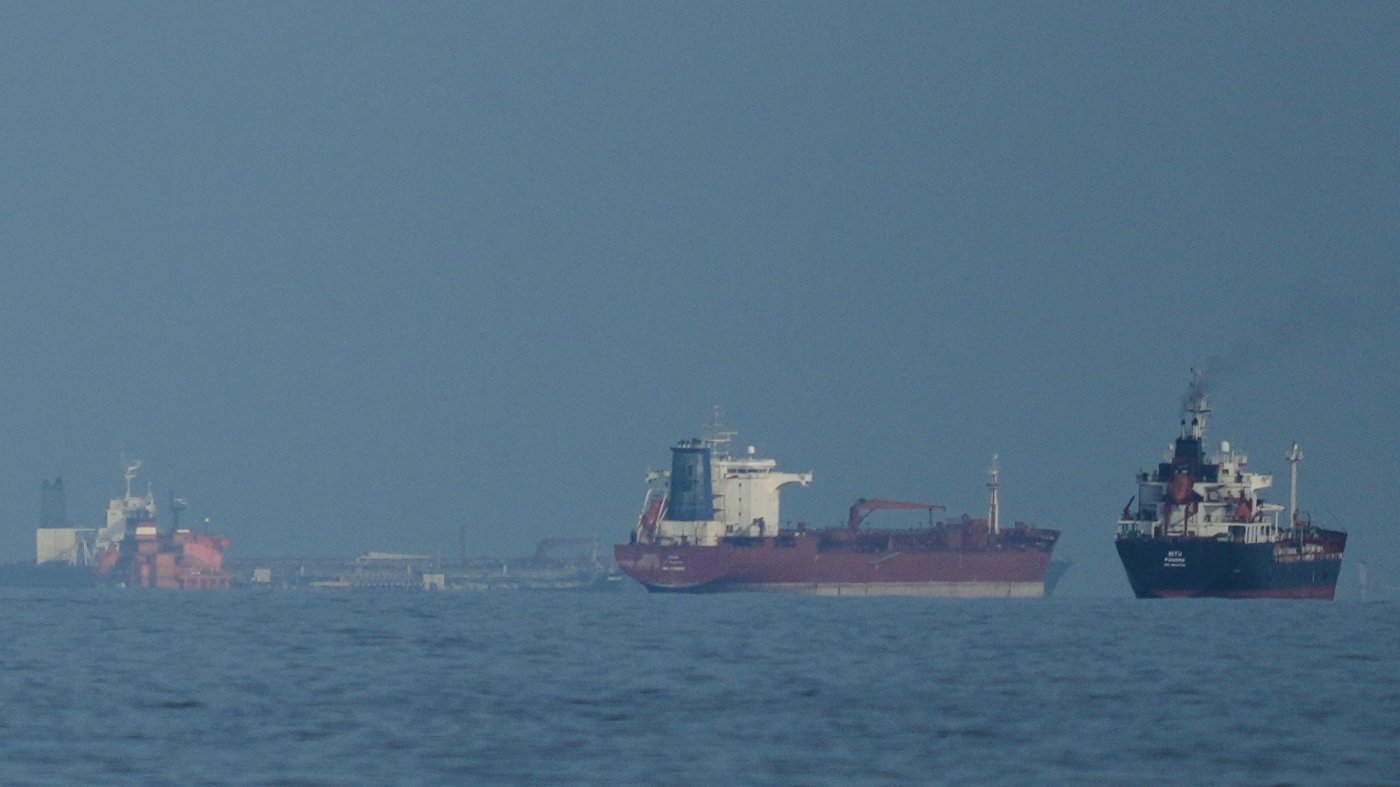
The U.S. military struck and disabled an oil tanker in the Gulf of Oman on Monday, accusing it of defying the Navy blockade imposed in mid-April, according to U.S. Central Command (CENTCOM), the command overseeing American forces across the Middle East.
An F/A-18 Super Hornet launched from the USS Abraham Lincoln—a Nimitz-class aircraft carrier—fired a precision-guided munition into the engineering and steering compartments of the Palau-flagged M/T Marivex. The vessel, measuring nearly 135 meters in length and 22 meters in width, was transiting international waters toward Iran when its crew failed to heed directions from U.S. personnel, CENTCOM reported.
This is the seventh vessel disabled by American forces since the blockade took effect. To date, the U.S. military has redirected 134 ships that complied with warnings, while permitting 42 vessels carrying humanitarian aid to pass through the cordon, according to CENTCOM data.
The operation comes as President Trump publicly urged both Israel and Iran on Monday to “stop shooting” after renewed exchanges of fire threatened the fragile U.S.-brokered ceasefire from early April. Both Tehran and Jerusalem have signaled a temporary halt to strikes, but the broader standoff remains volatile.
Last week, a U.S. fighter jet used a Hellfire missile to disable the Botswana-flagged M/T Lexie, another oil tanker heading toward Iran’s Kharg Island terminal. The repeated interdictions underscore the Navy’s aggressive enforcement of the blockade, a key plank of the administration’s pressure campaign against Iran.
The blockade, confirmed by Defense Secretary Pete Hegseth as still active in the Strait of Hormuz, has drawn sharp debate in Washington. Some lawmakers argue it risks escalation with Tehran, while others see it as a necessary tool to choke off oil revenues funding Iranian proxies and nuclear ambitions.
In a related development, CENTCOM recently intercepted Iranian drones and missiles in a failed strike on U.S. allies, highlighting the persistent military friction in the region. Meanwhile, the House rebuked Trump by advancing an $8 billion Ukraine military aid package, signaling bipartisan unease over the administration’s foreign policy priorities.
The Marivex incident, combined with the broader blockade, keeps the Gulf of Oman and Strait of Hormuz as flashpoints in an already tense geopolitical landscape. With both Iran and Israel pausing strikes for now, the focus shifts to whether diplomatic channels can stabilize the region before further military action becomes necessary.