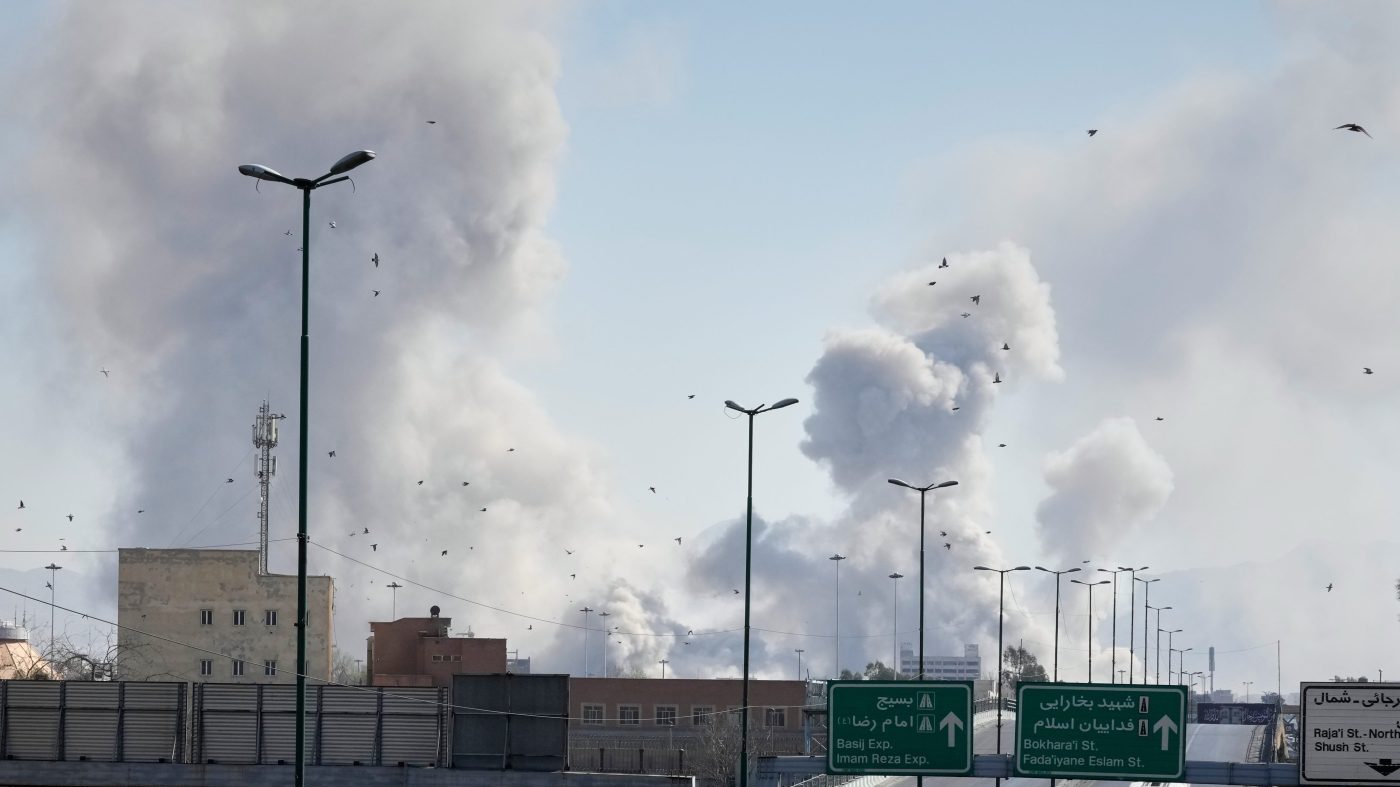
The United States and Iran launched new military strikes against each other early Thursday, escalating hostilities and effectively sidelining diplomatic negotiations. U.S. Central Command (Centcom) reported that American forces targeted Iranian military surveillance systems, communication networks, and air defense installations. Centcom stated that Marine Corps, Air Force, and Navy units fired precision munitions at sites in Iran that “posed a threat to U.S. forces and international commercial ships transiting regional waters.”
This latest exchange follows a U.S. strike earlier in the week, which was a response to Iran shooting down an American Apache helicopter. U.S. forces rescued both crew members, who were in stable condition as of Tuesday, with drone assistance.

President Donald Trump warned Wednesday that Iran “has taken too long” in peace talks and “will have to pay the price.” His comments came after Tehran launched missiles at Jordan, Bahrain, and Kuwait—the latter two host U.S. military bases. The Pentagon also had thousands of personnel stationed in Jordan at the start of the conflict, according to NewsNation.
Several Middle Eastern governments, including Qatar, Saudi Arabia, and the United Arab Emirates, condemned the Iranian missile strikes. The Palestinian Ministry of Foreign Affairs labeled them a “flagrant violation” of the sovereignty, security, and stability of the targeted nations.
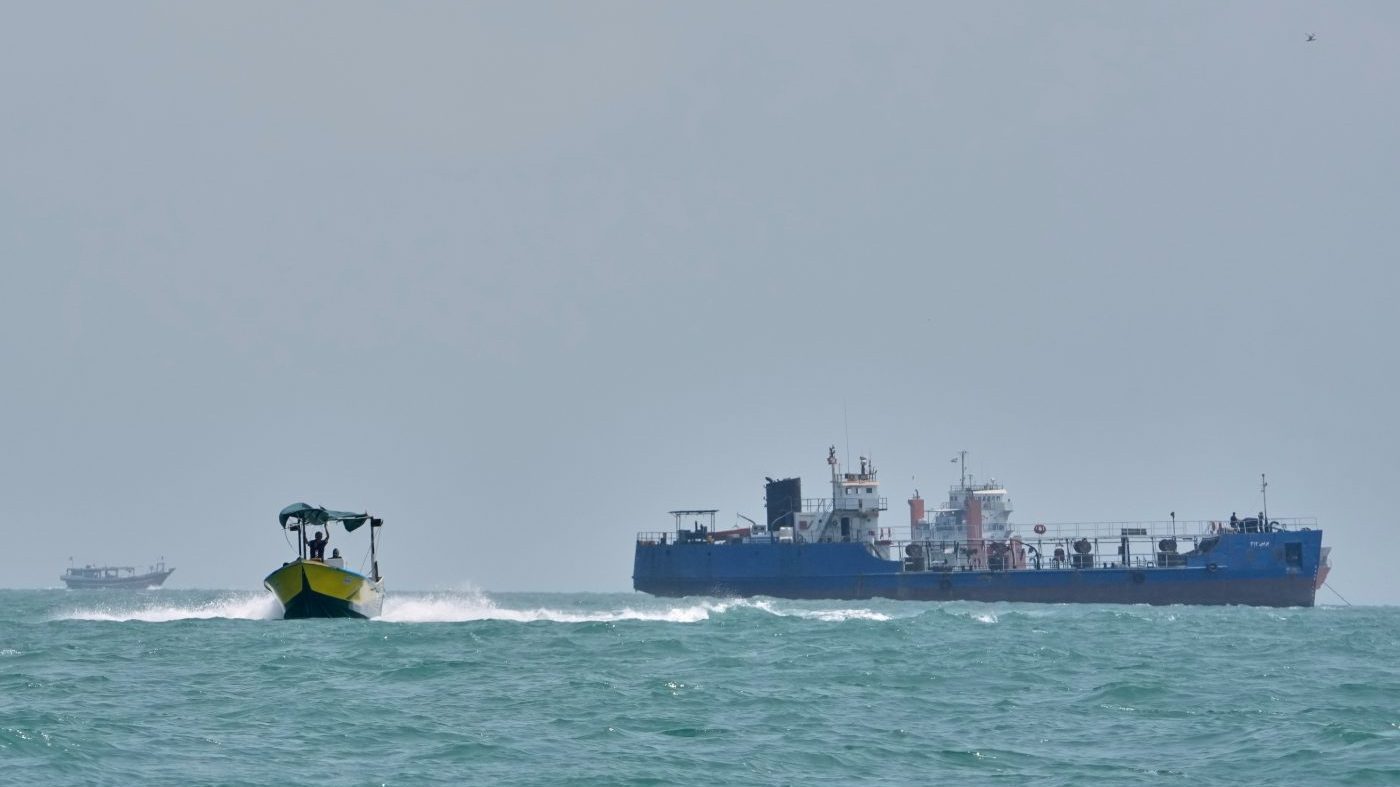
The Persian Strait Gulf Authority (PSGA), an Iranian body attempting to govern the Strait of Hormuz, announced Thursday morning that the waterway “will be completely closed” after the latest U.S. attacks. The authority urged ships with transit permits to “remain patient and await further notice.”
Despite the intensifying conflict, oil prices dipped Wednesday to Thursday. West Texas Intermediate Crude and Brent Crude—benchmarks for North American and global markets—both fell. U.S. gas prices also dropped more than two cents, landing below $4.13 per gallon, according to the American Automobile Association.
The U.S. launched additional strikes on Iran after Defense Secretary Pete Hegseth vowed a strong response, signaling that Washington is prepared to sustain military pressure. Hegseth earlier warned of “strong and clear” U.S. strikes as tensions mounted.
Trump has also threatened more strikes, framing them as a “disproportional response” to Iranian aggression. His administration continues to blame Tehran for stalling negotiations and escalating the conflict.
The Strait of Hormuz closure threatens global energy supplies, though markets so far have not reacted with panic. Analysts warn that prolonged disruption could drive prices higher, particularly if the U.S. and Iran continue trading blows.