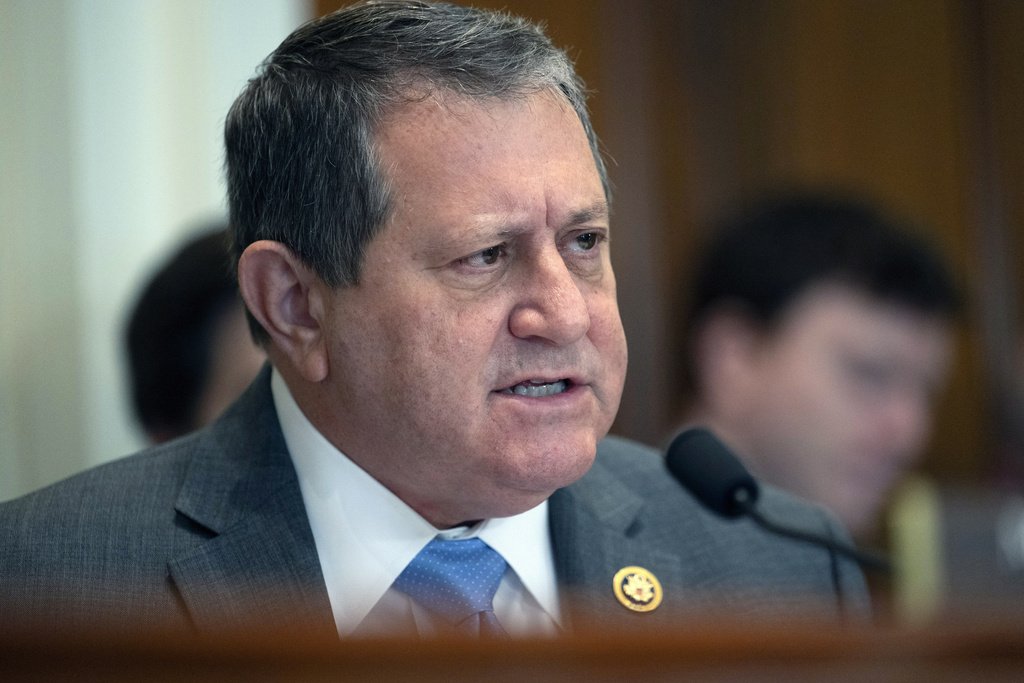
In the corridors of Congress, there are members who crave the spotlight and those who avoid it entirely. But a select few—the workhorses—toil in relative obscurity, prioritizing legislative substance over self-promotion. Representative Joe Morelle, a Democrat from upstate New York, fits squarely into that category. As the ranking member of the Committee on House Administration—a panel that typically oversees mundane matters like office space and parking—Morelle is now positioning himself as a critical guardian of election integrity ahead of the 2026 midterms.
The Stakes of a Narrow Majority
With the House majority likely to hinge on a handful of competitive races, bipartisan observers, legal experts, and journalists are bracing for aggressive tactics from the Trump administration to retain Republican control. The playbook could include voter suppression—such as deploying ICE agents to selected polling places—coercion of local election officials, or even federal seizure of ballots. While a post-election congressional coup may seem far-fetched, the January 6, 2021, Capitol riot proved that once-unthinkable scenarios can become reality.
The Constitution grants each chamber the authority to judge the elections and qualifications of its members—a power vested in the House Administration Committee. This means a panel accustomed to resolving disputes over member budgets and parking could ultimately decide which party controls the next Congress. GOP campaign chiefs have already predicted gains, but Morelle’s preparations suggest Democrats are not taking any chances.
A Quiet Operator with Sharp Instincts
Morelle’s path to this pivotal role began in New York state politics, where he served as Assembly Majority Leader from 2013 to 2018. Navigating the diverse interests of Manhattan progressives and exurban moderates under Governor Andrew Cuomo required survival skills akin to swimming with sharks while dodging depth charges. Morelle kept his caucus united not through brute force but by consistently pulling members together, often staying in the background.
His policy depth is notable: at a meeting of local leaders, he pressed a visitor on insurance risk models and later sent a copy of Peter Bernstein’s history of risk, Against the Gods. In New York politics, substance alone isn’t enough, but Morelle’s combination of intellect and coalition-building makes him a formidable behind-the-scenes operator.
War-Gaming Democracy
In recent conversations, Morelle described extensive preparations to protect the midterm outcome from partisan subversion. His team has conducted tabletop exercises, scrutinized election laws across dozens of jurisdictions, dissected House seating rules, and consulted legal experts from both parties. They have mapped out multiple trajectories from Election Day through January’s swearing-in—and beyond.
“It is tragic that we are war-gaming a democratic election in America,” Morelle told associates. “But January 6 showed how far the MAGA movement will go to seize power.” His work echoes broader Democratic efforts, including bipartisan maneuvers on floor votes to counter leadership hardliners.
Prepared for Crisis
Morelle may not be a household name today, but if a crisis strikes—whether through contested results or procedural sabotage—he will be thrust into the national spotlight. His role requires not just diligence but the ability to buck and kick when necessary. For now, he remains the unassuming congressman from upstate New York, quietly ensuring that the next House majority is decided by voters, not by partisan subversion.