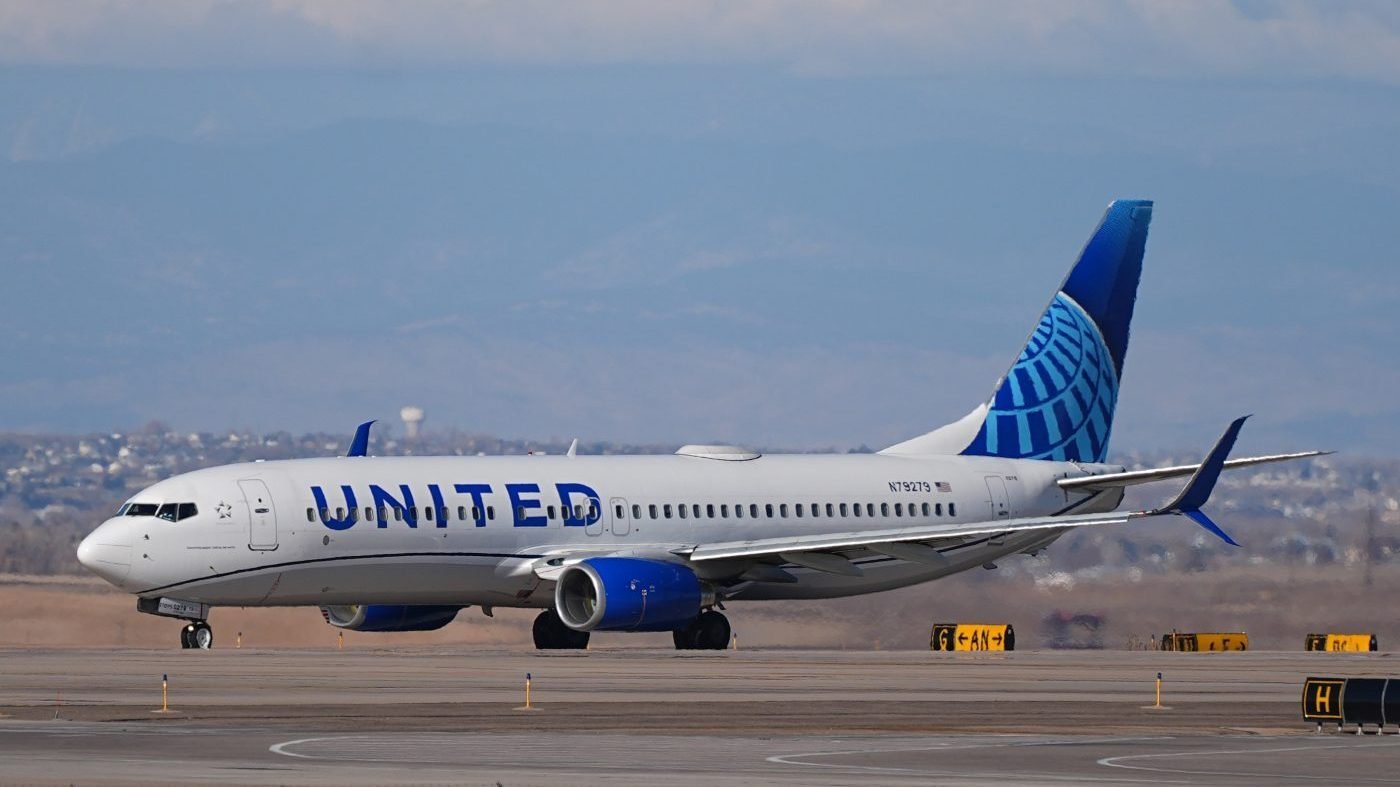
United Airlines is making a significant strategic move to capture more value from the premium travel market with the announcement of a new cabin class designed to bridge the gap between standard economy and premium plus. The airline's new "United Relax Row" features custom-designed seats with adjustable leg rests that can be reconfigured to create a lie-flat, couch-like space, specifically targeting long-haul passengers seeking more comfort without business-class prices.
A Product for the Premium Economy Boom
The launch comes as airlines globally report increased demand for upgraded travel experiences, particularly on international routes. United executives positioned the Relax Row as a direct response to this consumer shift, offering what they describe as "ideal for families traveling with small children, solo travelers and couples who want the value of United Economy but with a little extra comfort." The airline emphasized that passengers purchasing these seats will have exclusive use of an entire row, a feature highlighted in the company's social media announcement.

Rollout Timeline and Fleet Strategy
United plans to introduce the Relax Row in 2027, with ambitions to equip more than 200 of its Boeing 787 and 777 widebody aircraft by 2030. Each qualifying aircraft will feature up to 12 Relax Row sections, positioned physically and in terms of price between United Economy and United Premium Plus. This represents a substantial capital investment and fleet modification program, signaling United's long-term confidence in the premium economy segment's profitability.
Beyond the convertible seating, the product includes enhanced amenities. Passengers will receive a custom-fitted mattress pad, a plush blanket, and two additional pillows. Families will be provided with a plush toy and a children's travel kit, underscoring the product's appeal to that demographic. "Customers traveling in United Economy on long-haul flights deserve an option for more space and comfort, and this is one way we can deliver that for them," said Andrew Nocella, United's executive vice president and chief commercial officer.
Strategic Context and Industry Challenges
The investment in new cabin products occurs against a complex backdrop for the aviation industry. Airlines are navigating volatile operational costs, particularly from soaring jet fuel prices linked to Middle East tensions. United's CEO has previously warned of prolonged high fuel costs due to the regional conflict, which has also caused broader energy market disruptions. Premium cabin offerings like Relax Row are a critical lever for airlines to increase revenue per passenger and offset these rising expenses.
Nocella claimed competitive distinction for the product, stating, "United is the only North American airline offering a product like the United Relax Row." This differentiator is key as carriers compete fiercely for high-yield passengers. The move reflects a broader industry trend where airlines are creating more segmented cabin experiences to maximize revenue from every square foot of the aircraft.
The development and installation of these new seats represent a multi-year engineering and supply chain undertaking. It requires certification and significant downtime for aircraft, indicating United's commitment to this product category for the latter half of the decade. The success of this initiative will depend on sustained traveler demand for premium experiences and the airline's ability to manage the associated capital and operational costs.
Ultimately, the Relax Row launch is a calculated bet on the future of air travel economics. By creating a novel, space-focused product in the premium economy segment, United aims to attract customers willing to pay more for comfort while carefully managing its unit costs. The program's scale—spanning hundreds of aircraft—shows the airline views this not as a niche experiment but as a core component of its international service strategy for the coming years.