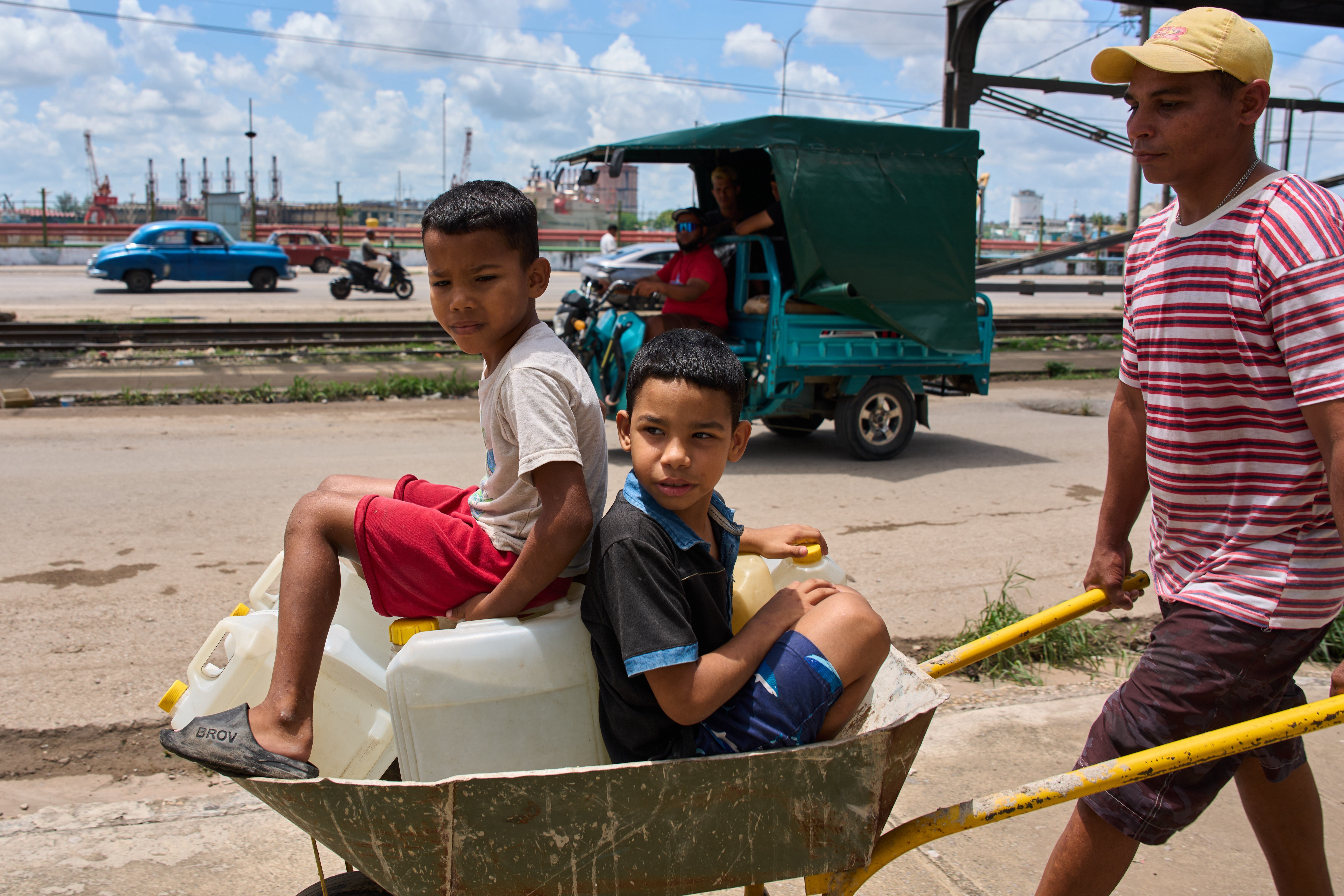
The United Nations children's agency is sounding the alarm over one of the most powerful El Niño weather patterns ever recorded, warning that it could upend the lives of more than 347 million young people across nearly 100 nations.
UNICEF said the climate phenomenon, which brings unusually wet and dry conditions to different parts of the globe, is expected to trigger extreme events such as devastating floods and prolonged droughts. Those conditions, the agency argued, pose a direct threat to children's health, safety, and long-term development.
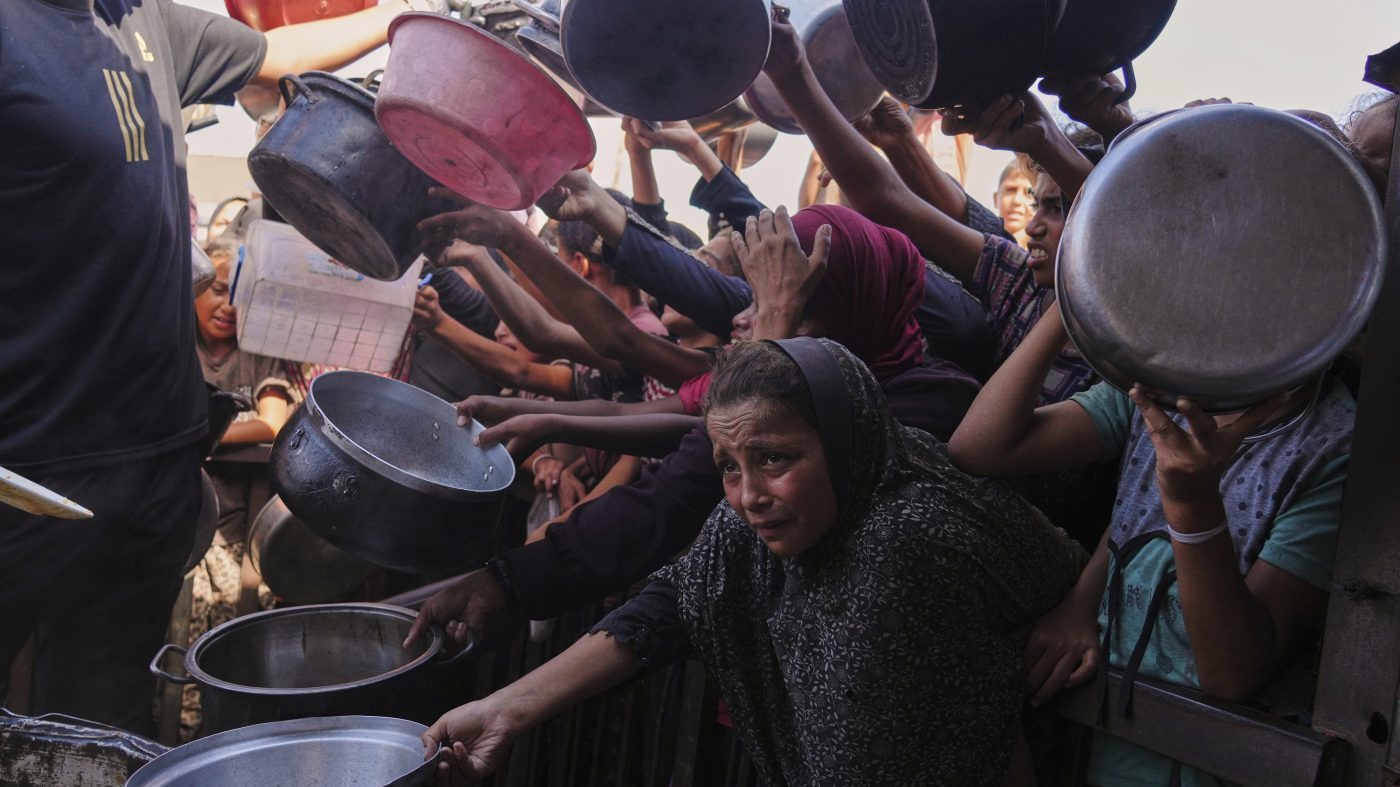
“For children, El Niño is far more than a weather pattern,” said Catherine Russell, UNICEF's executive director. “It can mean increased displacement, malnutrition, water shortages and disease outbreaks.”
The warning comes as previous El Niño episodes have forced millions of families to abandon their homes in search of food, water, and work. This year's event, which some meteorologists rank among the strongest on record, is already reshaping weather patterns from the Americas to Asia and Africa.
UNICEF's analysis highlights that children in regions already grappling with conflict, poverty, or weak health systems will bear the brunt of the impact. Flooding can destroy schools and health clinics, while droughts can decimate crops and livestock, pushing families deeper into hunger and economic distress.
The agency is calling on governments and humanitarian partners to scale up preparedness and response efforts, including pre-positioning supplies, reinforcing social safety nets, and ensuring that child-focused services remain operational during crises. It also stresses the need for long-term investments in climate resilience, particularly in vulnerable communities.
This latest alert adds to growing concerns about the interplay between natural climate cycles and human-caused climate change. Scientists say that rising global temperatures can amplify the effects of El Niño, making extreme weather events more frequent and intense.
For policymakers, the UNICEF report is a stark reminder that climate-related shocks are not just environmental issues but also humanitarian and political ones. The agency's findings are likely to feature in upcoming discussions at the UN and among donor nations about how to allocate resources for disaster risk reduction and climate adaptation.
As the world watches the unfolding weather patterns, the fate of millions of children hangs in the balance. UNICEF's message is clear: without swift action, the human cost of this El Niño could be catastrophic.