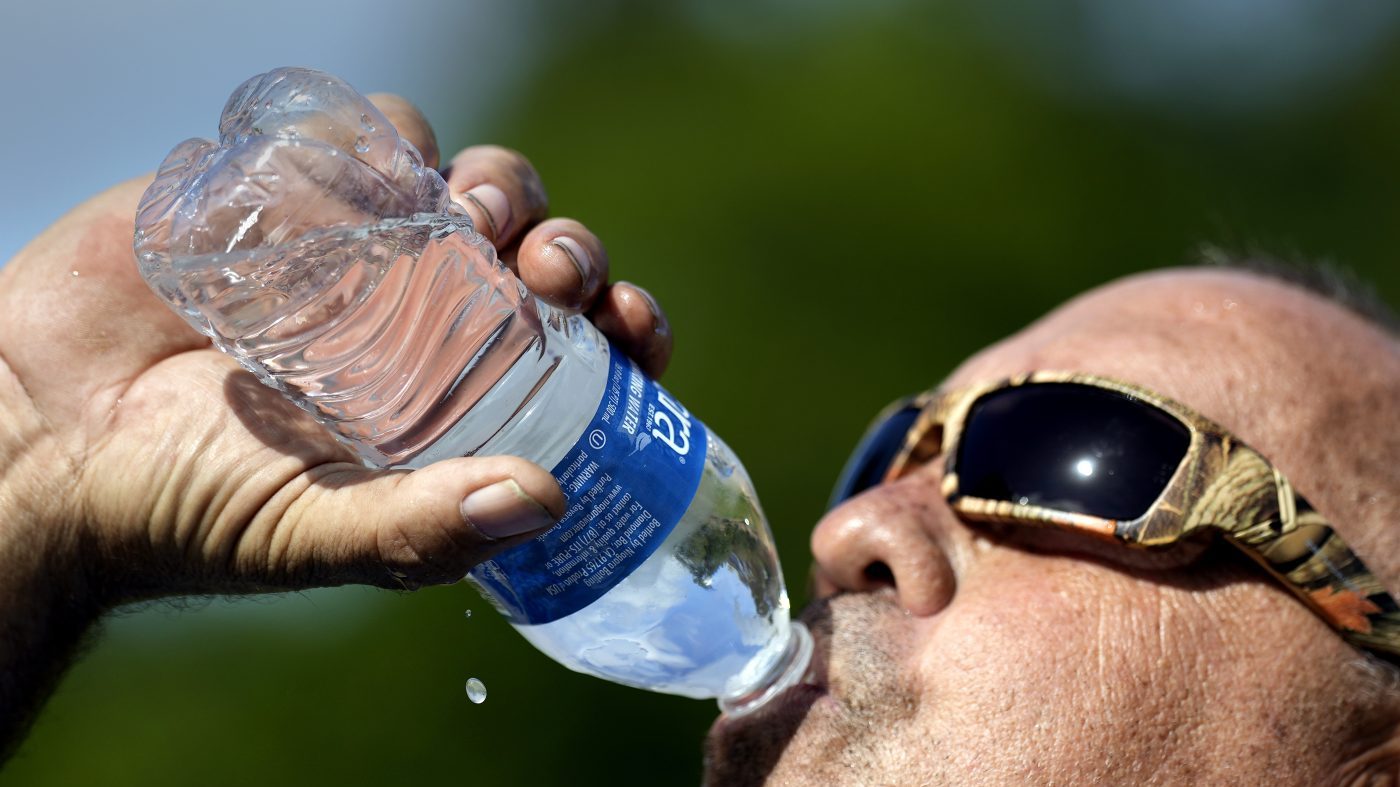
Next week, a significant heatwave is poised to engulf large portions of the eastern United States, as two separate heat domes converge over the region. The National Weather Service has warned that this combination will produce dangerously high temperatures and humidity levels, with heat index values expected to range between 100 and 110 degrees Fahrenheit.
What Are Heat Domes?
Heat domes occur when a high-pressure system traps hot air beneath it, preventing it from escaping. In this case, one heat dome currently situated over the Deep Southwest will merge with another parked over the subtropical Atlantic. The collision of these two systems will create a single, massive heat dome that will dominate the weather pattern across the eastern half of the country.

Regions at Risk
The affected areas will stretch from the Gulf Coast northward through the Southern Great Lakes, encompassing the Great Plains, Ohio Valley, and the Southeast. This includes major metropolitan areas like Tampa, Atlanta, and Chicago, where residents can expect several consecutive days of oppressive heat.
The heatwave is not just about high temperatures; the humidity will push the heat index—a measure of how hot it feels—well above the actual air temperature. Forecasters predict that heat index values will consistently hit 100 to 110 degrees during the peak of the event.
Political and Policy Implications
This extreme weather event comes as policymakers in Washington are grappling with a range of issues, from partisan funding disputes to energy policy. The heatwave could amplify calls for more robust infrastructure and public health responses to climate-related disasters. Meanwhile, the agricultural sector is already under strain, as wheat production has fallen to 1972 levels, and this heatwave may further impact crop yields and supply chains.
Public health officials are urging residents in the affected zones to take precautions: stay hydrated, limit outdoor activity during peak heat hours, and check on vulnerable neighbors. The heatwave also raises concerns about energy demand, as air conditioning use is expected to spike, potentially straining power grids.
Broader Context
This event is the latest in a series of extreme weather patterns that have drawn attention to the intersection of climate and policy. As the U.S. faces more frequent and intense heatwaves, discussions around energy independence and international cooperation have become increasingly urgent. The heatwave also underscores the need for domestic preparedness, especially as partisan debates over funding priorities continue.
For now, residents from the Gulf to the Great Lakes should brace for a sweltering week ahead, with temperatures that will test both personal endurance and public infrastructure.