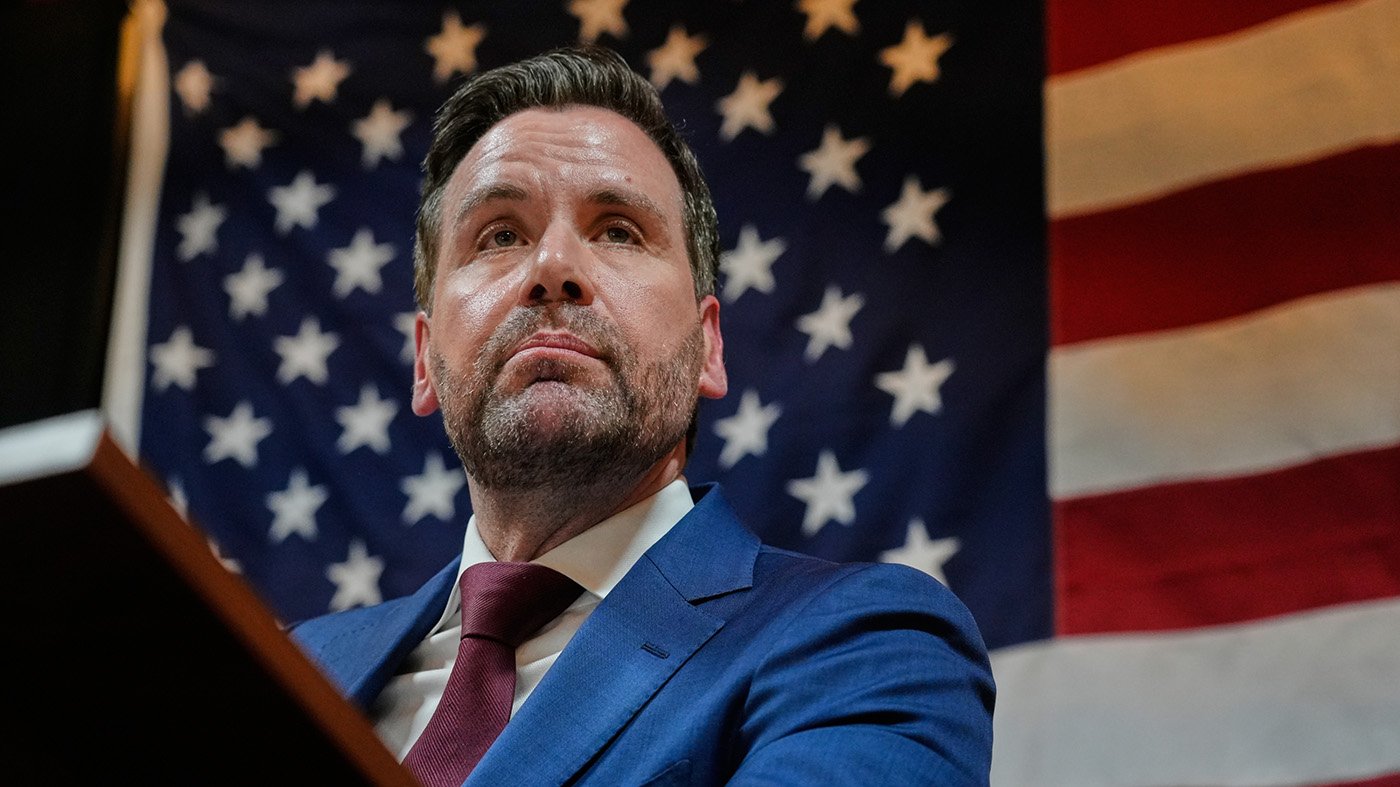
Democrats are seeing new momentum in Iowa's U.S. Senate race after state Rep. Josh Turek secured the party's nomination in a decisive victory Tuesday. Party leaders view Turek as their strongest contender for the seat in years, betting his bipartisan appeal and personal story can flip a state that hasn't elected a Democrat to the Senate since 2008.
Turek, a 47-year-old two-time Paralympic gold medalist who has a track record of winning in conservative-leaning districts, defeated state Sen. Zach Wahls by 26 points. Wahls had tried to tap into anti-establishment sentiment, tying Turek to national Democrats like Senate Minority Leader Chuck Schumer and calling for generational change, but primary voters rejected that message.
“His nomination puts Iowa firmly on the Senate map,” said Maeve Coyle, spokesperson for the Democratic Senatorial Campaign Committee, pointing to Turek's history of “overperforming Democrats and winning tough races.”
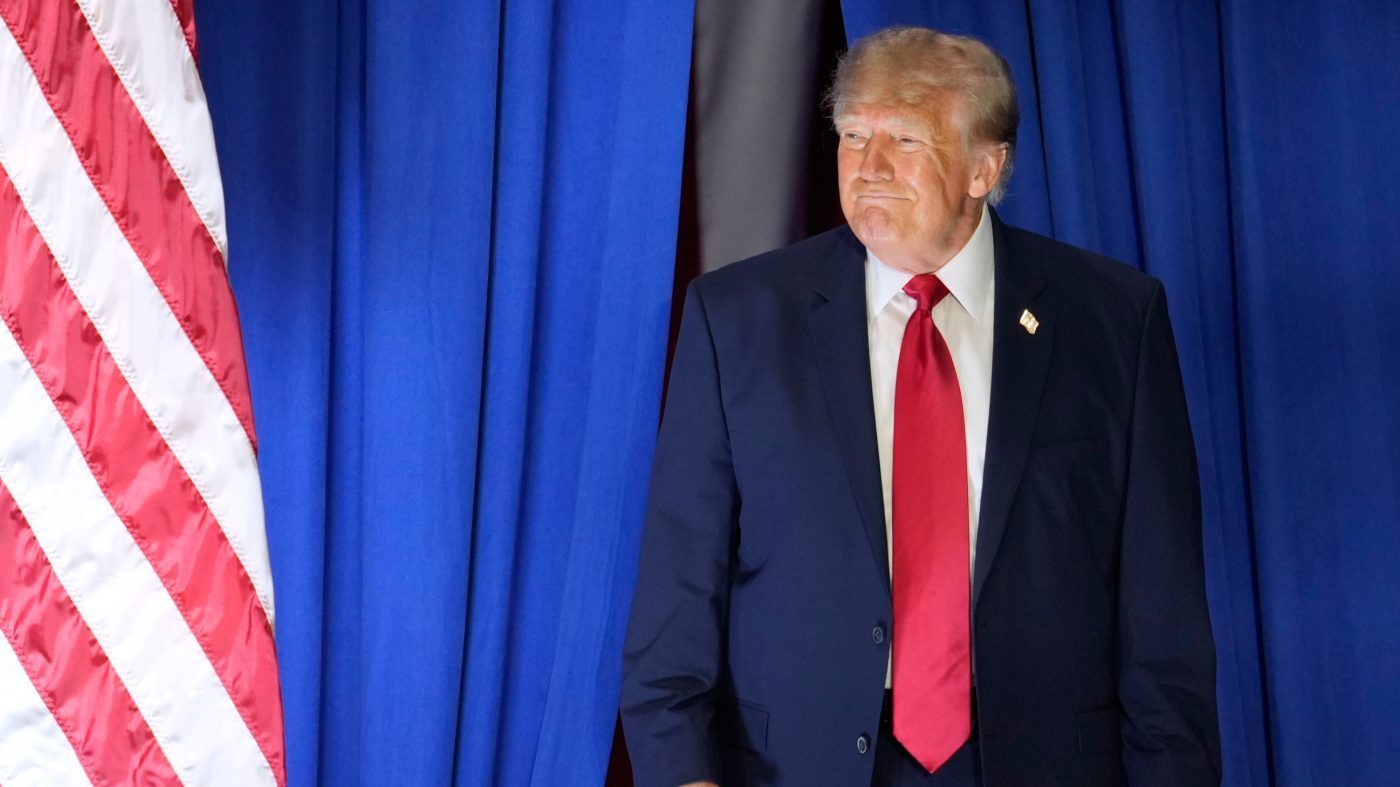
The optimism was validated almost immediately. The Cook Political Report shifted the race from “Likely Republican” to “Lean Republican” on Tuesday, and Sabato’s Crystal Ball at the University of Virginia followed suit the next day. These moves reflect a broader belief among strategists that President Trump's declining approval ratings and the economic fallout from his tariffs and the Iran war are creating a more favorable environment for Democrats in Iowa.
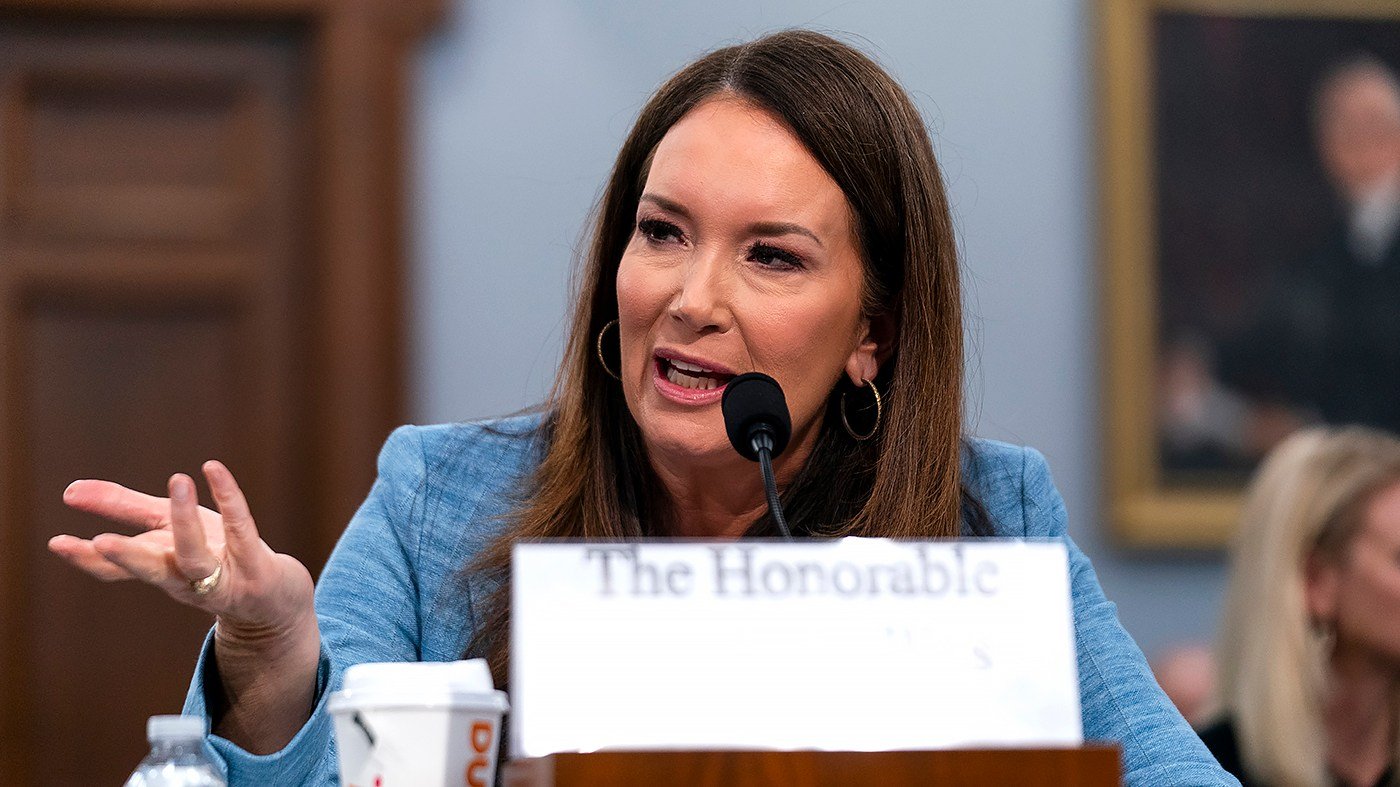
Turek faces a well-funded general election opponent in Rep. Ashley Hinson, who won her GOP primary easily. Hinson has already begun attacking Turek as a “rubber stamp” for Schumer, echoing Wahls’ primary strategy. The National Republican Senatorial Committee released an ad this week labeling Turek “the Democratic Party’s establishment candidate” and highlighting the $9.7 million spent by the Democratic group VoteVets on his behalf.
But Turek is leaning into his bipartisan record in the state legislature, where he represents a district Trump carried three times. In his victory speech, he pledged to “tackle Washington’s rampant corruption” and appealed directly to independents and disaffected Republicans. “Whether you’re a Republican, an independent, or a Democrat, there is room here for you in our campaign,” he said.
Democratic strategist Basil Smikle said Turek’s appeal goes beyond his platform. “He’s helping create a permission structure that allows former Trump voters to turn their MAGA skepticism into votes for Democratic alternatives,” Smikle said. “His profile mattered almost as much as his platform. That’s important because Democrats have had difficulty building trust, and his economic populism mixed with local credibility helped provide the decisive victory.”
Turek’s personal story is central to his campaign. Born with spina bifida after his father was exposed to Agent Orange in Vietnam, he uses a wheelchair and won two Paralympic gold medals in basketball before entering politics. VoteVets, the Democratic group that backed him heavily in the primary, spent $9.7 million on his behalf and has signaled it may continue to invest in the general election.
Both candidates are striking similar tones early in the general election. Hinson, in her primary night statement, touted her bipartisan record and pledged to “root out corruption in Washington,” echoing Turek’s own language. “My record is one of delivering bipartisan results for Iowans, and that’s exactly what I’ll do in the United States Senate,” she said.
The race is now a key test of whether Democrats can win back working-class voters who have drifted toward Trump. As one analysis noted, Democrats lost touch with working-class economic struggles in recent cycles, and Turek’s campaign is designed to bridge that gap. Meanwhile, the NRSC is working to paint him as an establishment insider, but Democrats believe Turek’s local credibility and economic populism can overcome that narrative.
“Democrats are in a stronger position than ever to win the majority,” Coyle said. The outcome in Iowa could have national implications, as control of the Senate hangs in the balance.