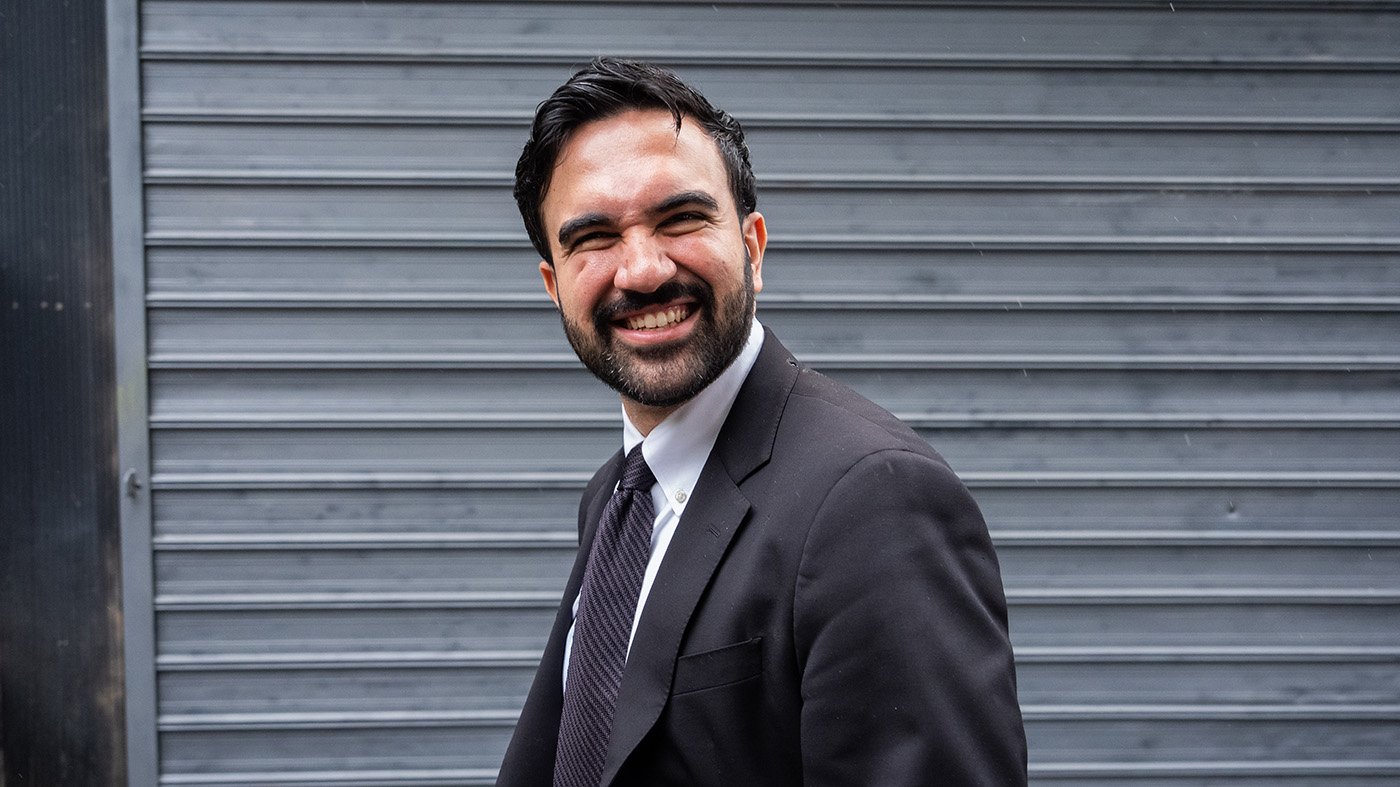
New York City Mayor Zohran Mamdani (D) delivered a blunt critique of his own party on Saturday, saying Democrats have drifted away from the economic anxieties that matter most to working-class voters. In an interview with MS Now, Mamdani argued that the party's post-2024 election rebuilding effort must prioritize concrete concerns like rent, housing costs, gas prices, and groceries over ideological battles.
“The party, as a whole, has lost its focus on working people,” Mamdani said. “People want to know: What are you going to do for rent? What are you going to do for housing? What are you going to do for gas? What are you going to do for groceries? We have to have answers to that.”
Mamdani’s rise has been meteoric. After defeating former New York Gov. Andrew Cuomo in a stunning primary upset and winning the general election, he has become a symbol of the party’s internal struggle over messaging. His victory has prompted debate among Democrats about whether to adopt a more populist economic platform, especially with the midterm elections just months away.
The party’s leadership crisis deepened after an autopsy report on former Vice President Kamala Harris’s loss to President Trump sparked calls for DNC Chair Ken Martin to resign. Prominent figures like former DNC Vice Chair David Hogg demanded new leadership, saying the party needs “a new leader who demonstrates competence, creativity, moral clarity, and a relentless commitment to actually changing the broken Democratic Party brand.”
Sen. Cory Booker (D-N.J.) echoed that sentiment, stating that his party “desperately needs new leadership” to rebuild trust with voters. The internal turmoil has left Democrats scrambling to craft a coherent message ahead of the midterms.
Mamdani’s influence extends beyond progressive circles. Treasury Secretary Scott Bessent called the then-mayor-elect “clearly the leader of the Democratic Party,” while Sen. Bernie Sanders (I-Vt.) pointed to Mamdani’s campaign as a blueprint for mobilizing voters. The mayor’s social media savvy and focus on economic populism have made him a key figure in the party’s future direction.
As Mamdani leverages his popularity to back progressive candidates in New York City primaries, the broader Democratic Party remains divided over whether to embrace his working-class message or pursue a more moderate path. With the midterms looming, the party’s ability to address voters’ economic pain could determine its electoral fate.
The mayor’s critique comes as Democrats face fundraising woes that expose deeper infrastructure problems, complicating efforts to compete with Republicans. Meanwhile, some analysts warn that progressive Democrats face a tough choice between polarizing the base or winning back the working class.