Republican Senator Delivers Scathing Assessment of Party's Performance
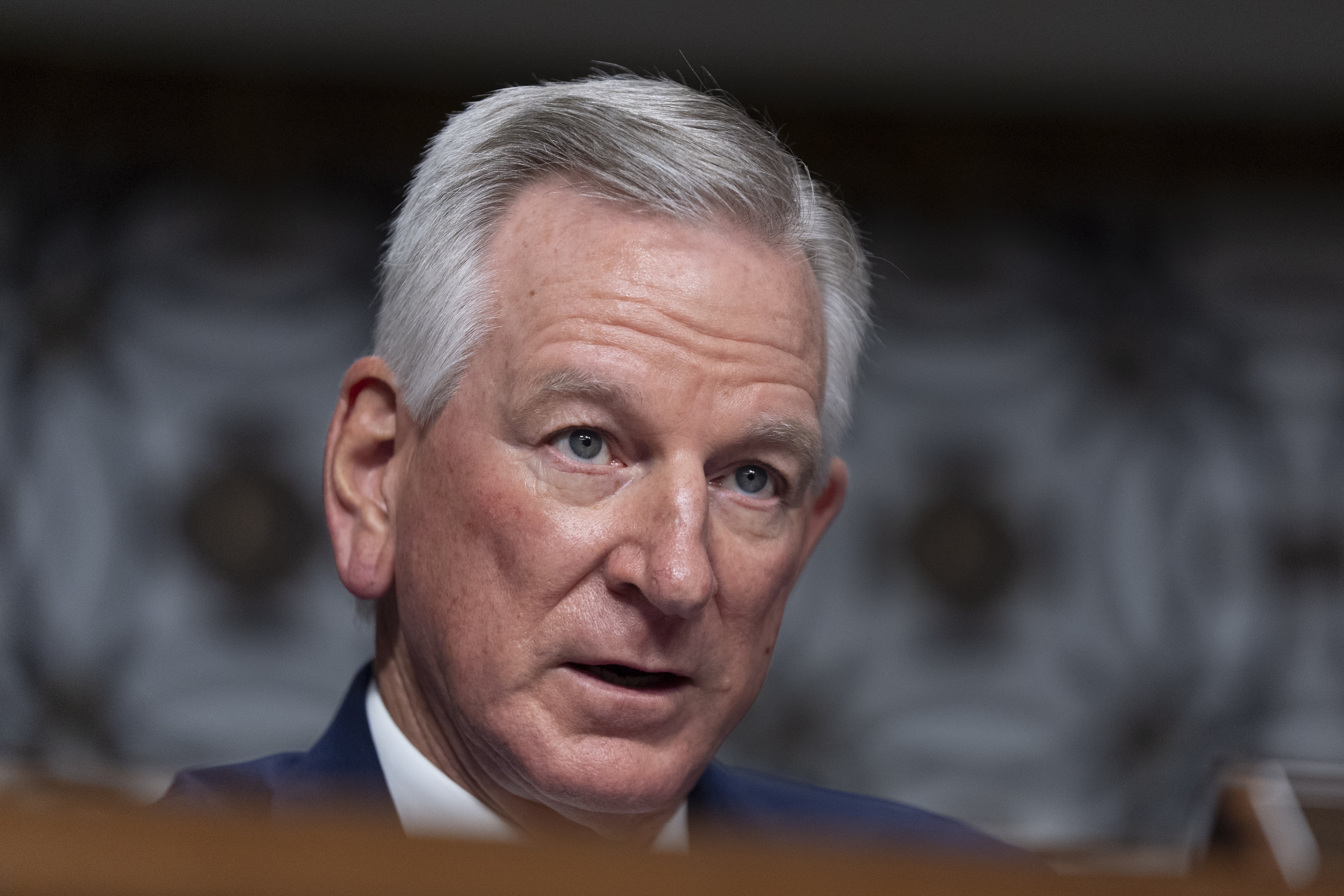
Senator Tommy Tuberville of Alabama delivered a blunt critique of his own party's legislative record on Wednesday, stating that Republicans have failed to accomplish "anything" significant despite holding majorities in both the House and Senate. During an appearance on a conservative podcast, the senator argued that the party's focus has been misplaced on reelection rather than substantive governance.
'Why Should We Keep the Majority?'
"Everything that goes on up here is about, 'Oh, we got to get reelected. We got to keep the majority,'" Tuberville said. "Well, hell, we ain't done anything in the majority. Why should we keep it?" He described the party as fractured and unable to move in unison, suggesting Republican lawmakers lack the right priorities and are more concerned with fundraising than legislating.

The Alabama senator pointed to a single major bill passed under Republican control, which he credited to persistent pressure from former President Donald Trump. "We've gotten one bill passed and that was President Trump pushing and pushing and pushing," Tuberville noted, referencing an 18-hour Senate session required to secure Republican votes. This internal discord mirrors other recent fractures within the GOP over high-profile investigations and legislative priorities.
Legislative Record and Internal Conflicts
While some Republican legislative efforts have advanced—including last year's One Big Beautiful Bill Act and Melania Trump's Take It Down Act—Tuberville's criticism highlights broader dysfunction. The Senate is currently working on a budget resolution to circumvent Democratic attempts to block funding for federal immigration enforcement, yet conflicts with House Republicans have stalled a partial funding package for the Department of Homeland Security.
These internal struggles are not isolated. Last year, Republican leaders failed to devise a government funding plan, resulting in the longest shutdown in U.S. history. Similar divisions have erupted recently over immigration legislation, exposing deep ideological rifts within the party that complicate unified action.
"It's embarrassing that we're up here and we're raising money to continue with the same people being up here," Tuberville told host Benny Johnson. "It's just nonsense. It's really nonsense."
Democratic Response and Electoral Context
In a rare moment of agreement, Senate Minority Leader Chuck Schumer echoed Tuberville's sentiment on social media. "The only time I've ever agreed with @SenTuberville," Schumer wrote. The comment underscores how internal Republican criticism provides ammunition for Democratic messaging ahead of crucial midterm elections.
Democrats need to regain four seats to secure a Senate majority, while Republicans risk losing their razor-thin House majority if Democrats pick up 218 seats. Both parties are intensifying their focus on polls and voter messaging as the election season approaches. Former President Trump has committed to campaigning for GOP Senate lawmakers facing reelection to preserve the party's majority.
Despite the internal criticism, the Republican National Committee holds a significant financial advantage. February Federal Election Commission filings show the RNC with a nearly $100 million cash lead over Democratic counterparts as November campaigns intensify. This financial edge exists alongside persistent questions about the party's direction, as highlighted by figures like Marjorie Taylor Greene questioning Republican identity following breaks with Trump.
Broader Implications for GOP Unity
Tuberville's comments reflect growing frustration among some Republicans about their party's ability to govern effectively despite holding power. This sentiment emerges as the party grapples with defining its policy agenda and maintaining cohesion between its establishment and populist wings. The criticism also comes amid broader political tensions, including public opposition to symbolic gestures like adding Trump's signature to currency and debates over fundamental issues like taxation, where a majority of Americans continue to view the federal tax burden as excessive.
The Alabama senator's unusually public rebuke of his own party's performance signals potential challenges for Republican leadership as they attempt to present a unified front to voters. With control of Congress at stake in the upcoming elections, such internal dissent could complicate efforts to mobilize the base and attract independent voters who prioritize legislative effectiveness over partisan warfare.