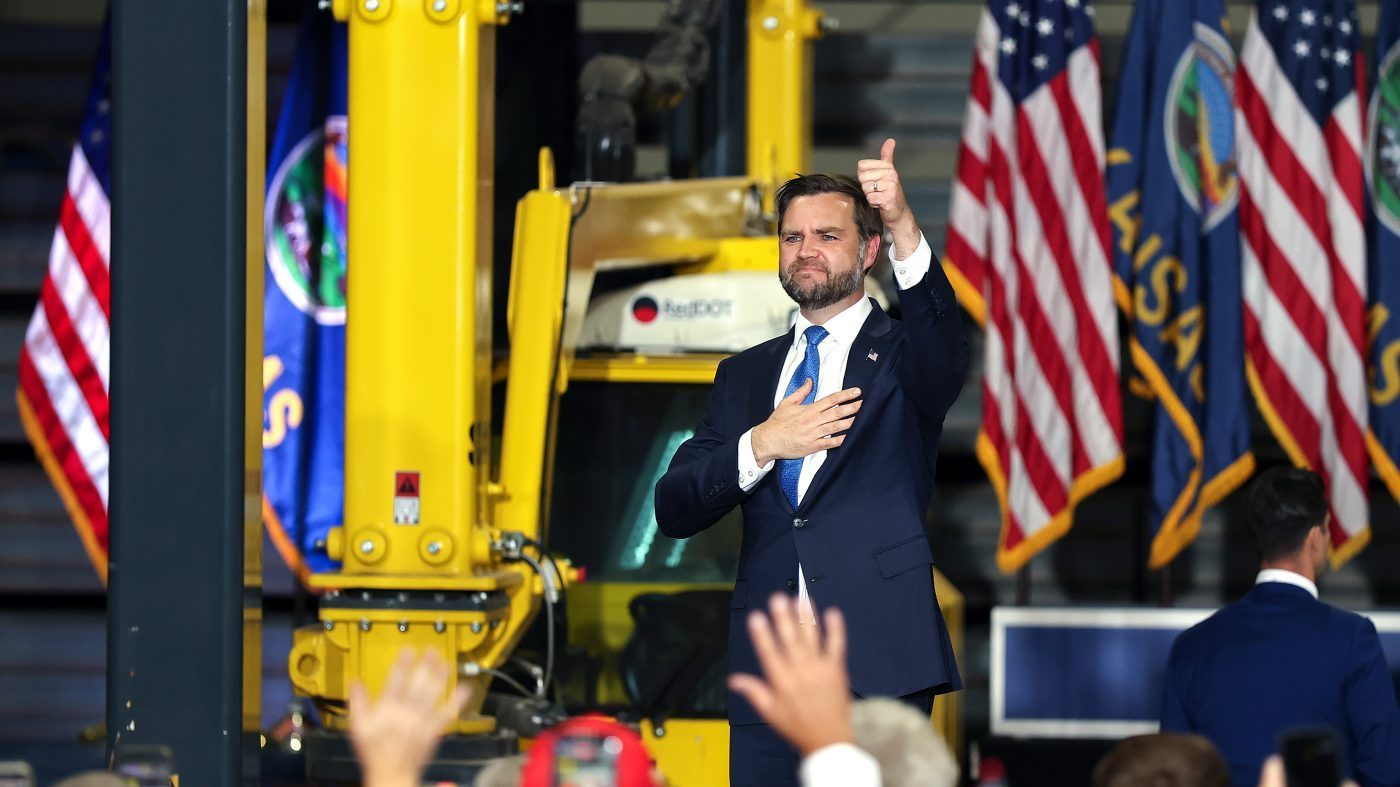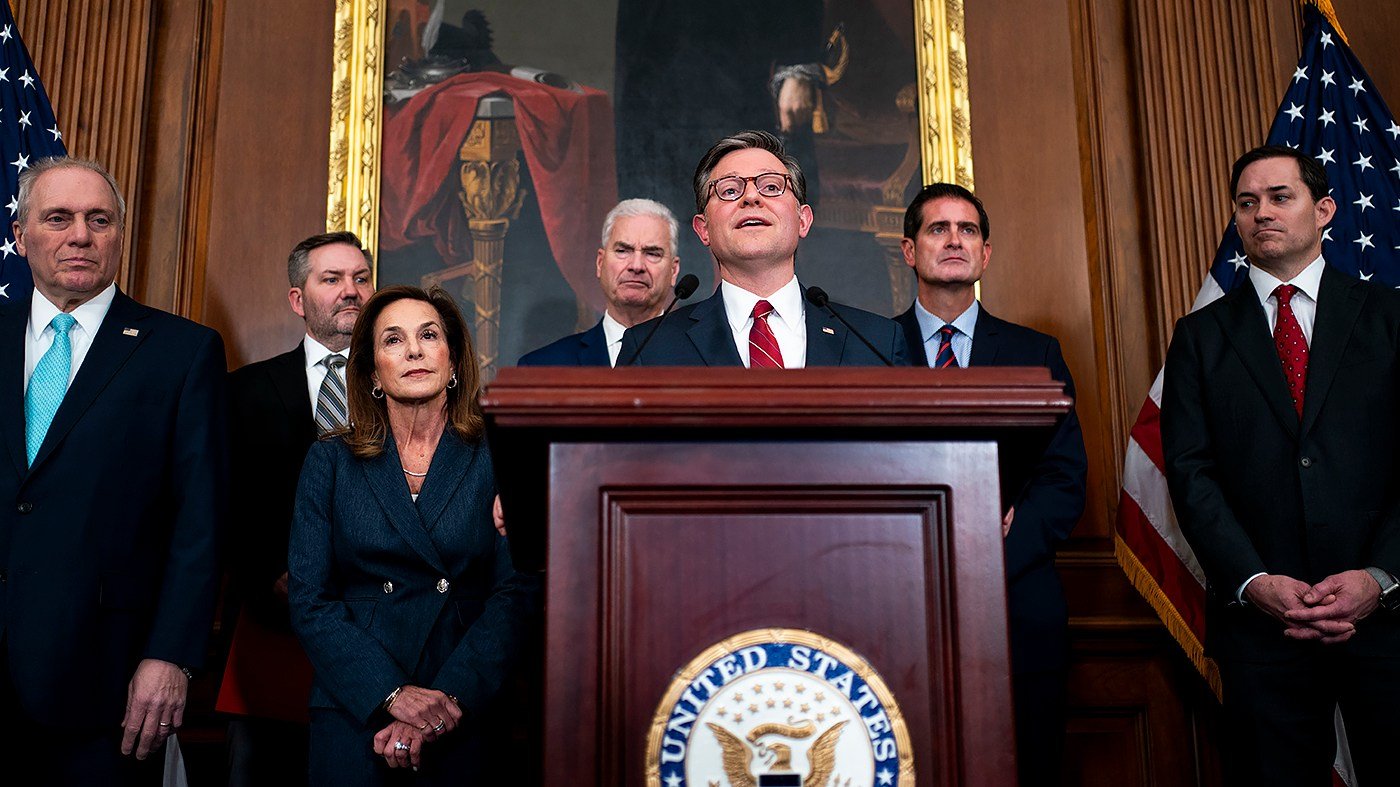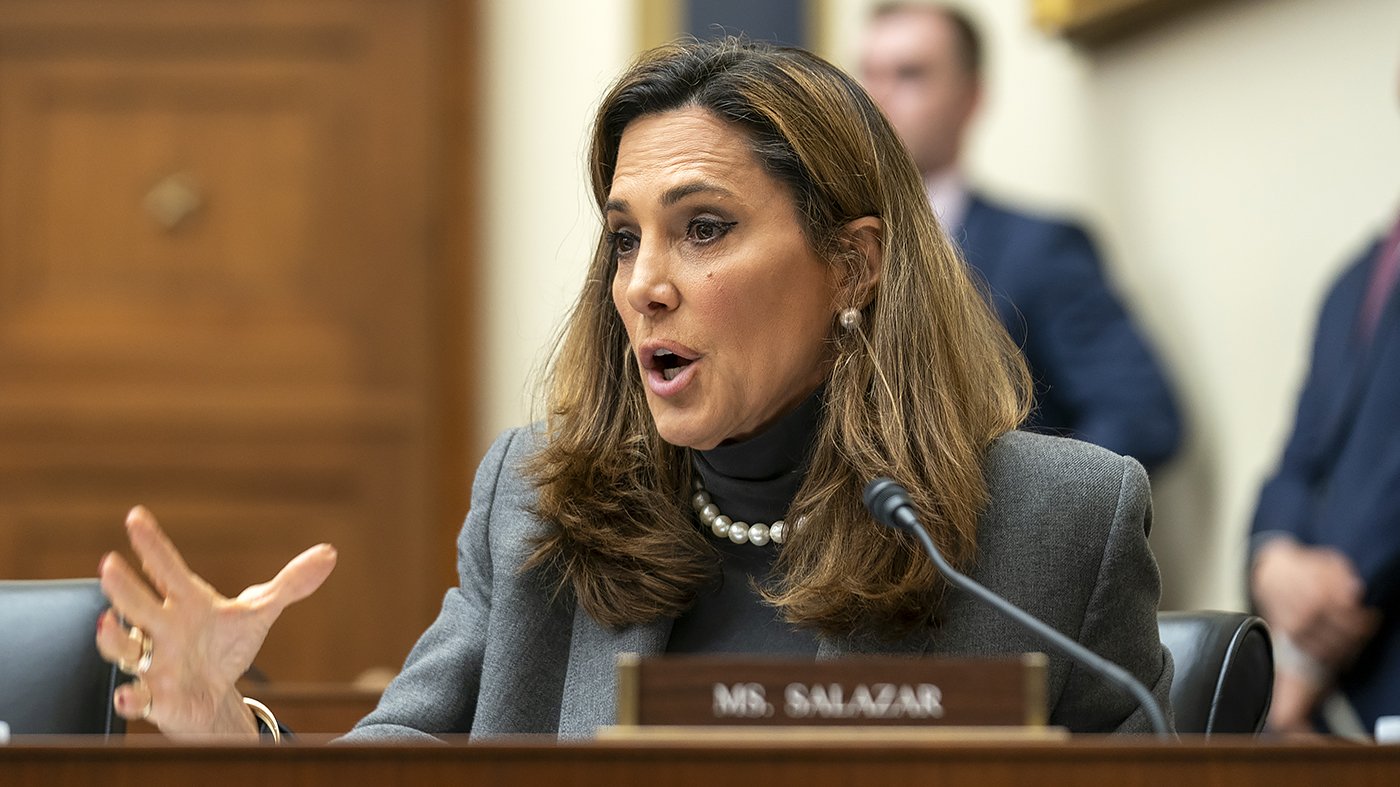
A bipartisan immigration reform bill, the Dignity Act, has ignited a fierce and public Republican Party civil war, with hardline conservatives launching a coordinated social media assault against their own colleagues who support the legislation. The bill, which pairs enhanced border security measures with a pathway to legal status for certain migrants, has become a flashpoint for long-simmering tensions within the GOP.
The controversy erupted after Rep. Mike Lawler (R-N.Y.), a cosponsor, advocated for the bill during a Fox News appearance. Host Brian Kilmeade suggested former President Donald Trump might be open to its concepts. This triggered an immediate pile-on from influential right-wing commentators and lawmakers, who denounced the proposal as "amnesty." The bill's lead Republican architect, Rep. Maria Elvira Salazar (R-Fla.), publicly sparred with critics like Rep. Brandon Gill (R-Texas), who labeled the Dignity Act an "unforgivable political betrayal."
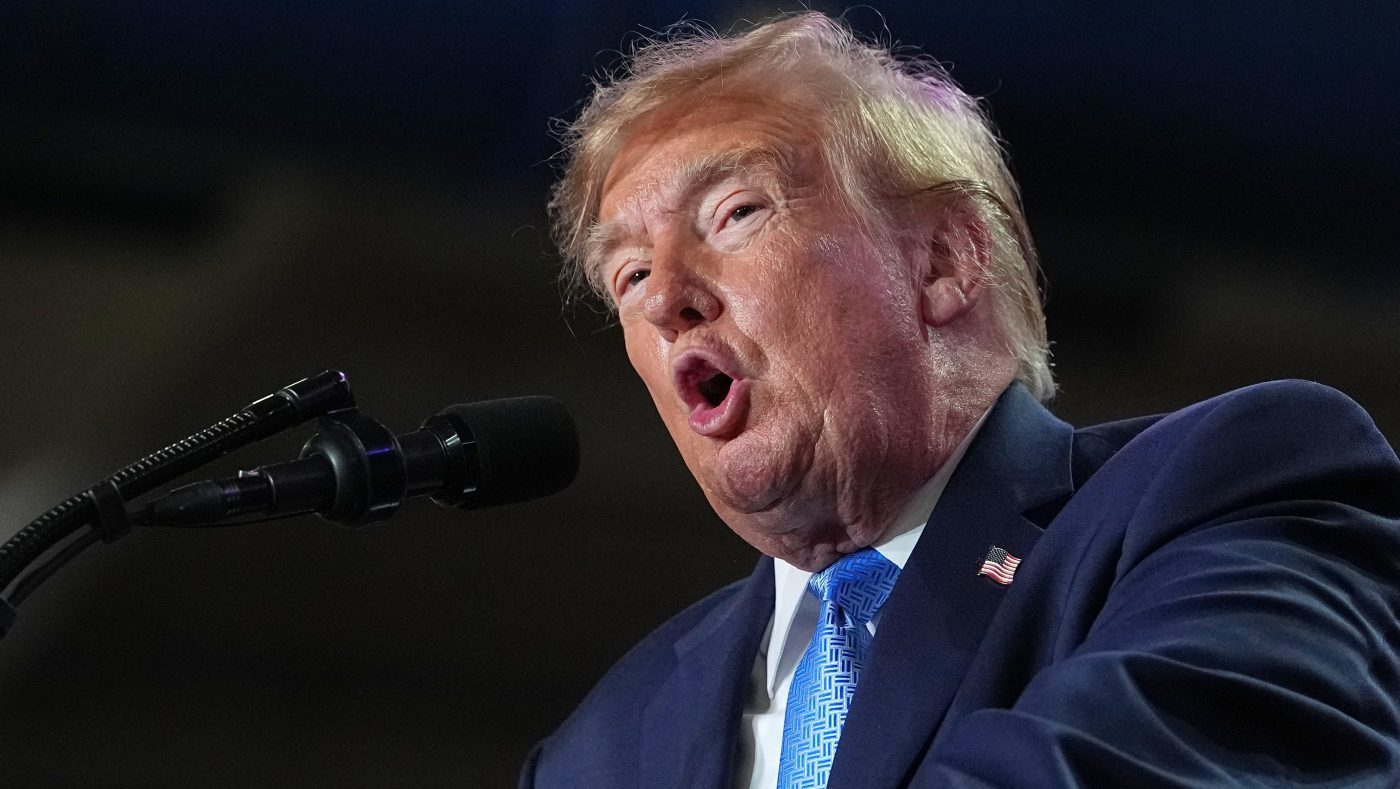
This dynamic, where purists attack perceived moderates within their own ranks, is a recurring feature of modern conservative politics. As one analysis of the MAGA movement notes, such internal enforcement often prioritizes ideological purity over policy negotiation.
Despite the uproar, the Dignity Act faces near-insurmountable odds. First introduced years ago and reintroduced in 2023, it lacks support from House Republican leadership, has not been scheduled for a committee markup, and is considered dead in the current Congress. The intensity of the backlash puzzled many observers, given the bill's legislative stagnation.
Sources suggest the fury served as a release valve for conservative frustration over broader immigration enforcement failures and the handling of Department of Homeland Security funding, allowing critics to vent without directly targeting Trump or party leaders. The firestorm was amplified by a slow news cycle during a congressional recess and sustained by televised debates, including a contentious exchange between Lawler and Fox host Laura Ingraham.
The political fallout for cosponsors appears limited so far. One lawmaker's office reported only a modest uptick in constituent contacts about the bill, far less than inquiries concerning Iran or DHS funding. Salazar plans to engage critics directly and will hold a press conference with the National Association of Manufacturers to rally support, indicating she will not back down.
This episode underscores a fundamental and enduring rift within the Republican coalition: the tension between pragmatic members seeking policy solutions and electoral gains with demographic groups like Hispanic voters, and immigration hardliners who view any compromise as anathema. The conflict mirrors other fractures on the right, evident when prominent allies break ranks over foreign policy rhetoric.
While the Dignity Act itself is going nowhere, the battle over it has clearly mapped the fault lines within the GOP on one of the nation's most divisive issues. The spectacle of public infighting reveals a party struggling to reconcile its governing responsibilities with the demands of its most activist base, a struggle that will define its policy direction and political future.