President Donald Trump made a symbolic stop at Graceland, the famed Memphis estate of Elvis Presley, during a visit to Tennessee on Monday. The tour blended cultural homage with political messaging, as the president later connected the excursion to his administration's law enforcement priorities in the city.
Cultural Pilgrimage and Personal Reflection
During a walkthrough of the mansion, Trump engaged with reporters, fielding a recurring question about the late music icon. "People always ask, 'Did you know Elvis?'" the president remarked. He noted his personal acquaintance with many entertainment legends of the era, including Frank Sinatra, but expressed regret at never having met Presley. "That's one I would have liked a lot," Trump said, while affirming, "I do like his music."
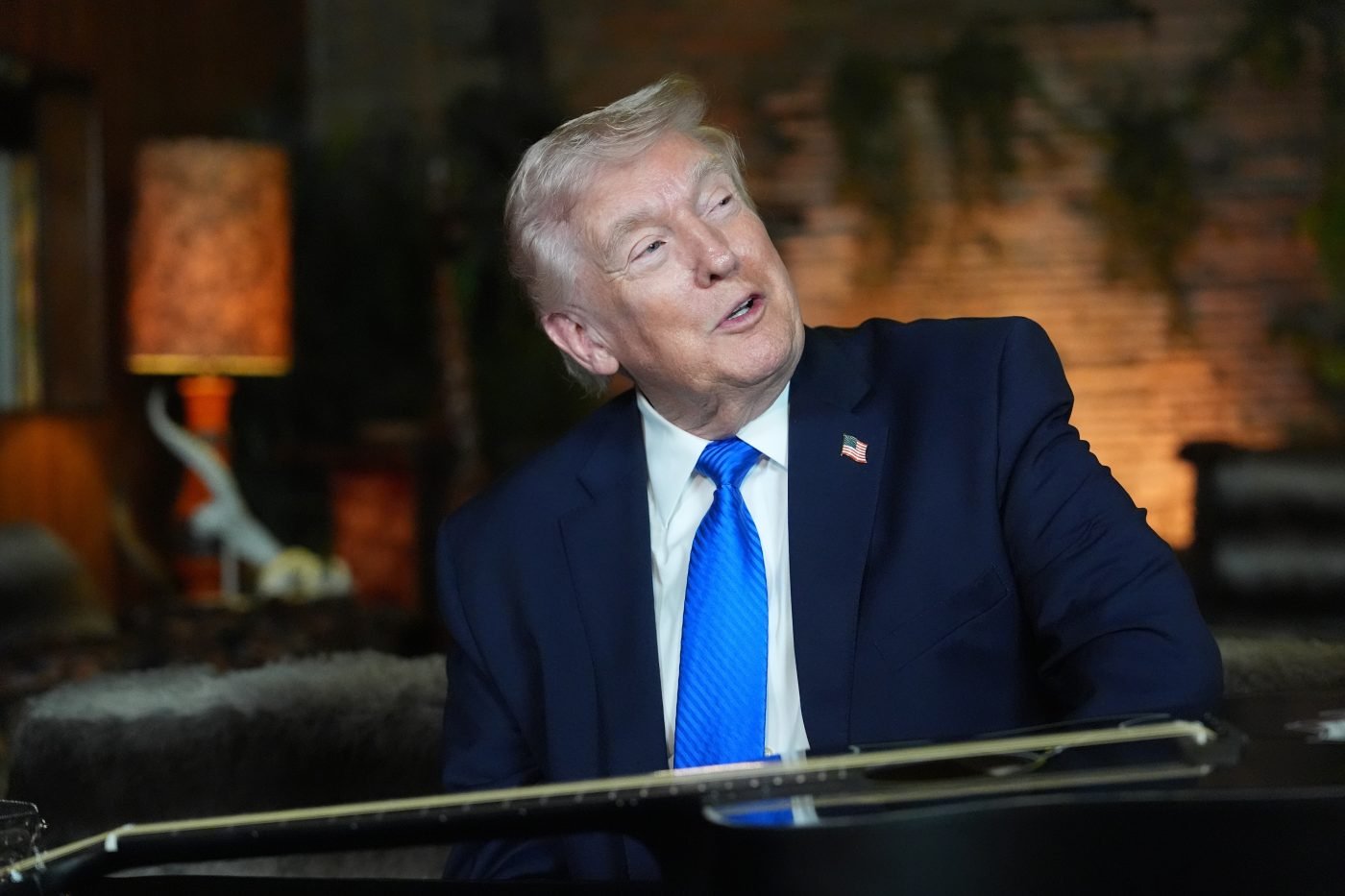
The visit included a ceremonial moment where the president signed a replica of one of Presley's guitars. When asked, he identified the song "Hurt" as his favorite Elvis track. On display during the tour was the Presidential Medal of Freedom, which Trump posthumously awarded to Presley in 2018.
Linking Legacy to Law and Order Agenda
Trump's Graceland tour was not merely a cultural detour. Earlier in the day, at a meeting of the Memphis Safe Task Force, he announced his plans to visit the landmark. The roundtable served as a platform to promote his administration's efforts to combat violent crime in Memphis and nationally. The task force, established last September, aims to replicate federal law enforcement strategies previously deployed in Washington, D.C., within the Tennessee city.
Trump directly tied the two events together while at Graceland, declaring that Memphis is now "safe again"—a statement positioning the cultural visit within the framework of his political and policy achievements. This move continues a pattern of the Trump administration blending official government action with symbolic gestures aimed at specific voter constituencies.
Strategic Context of the Visit
The trip occurs amid a crowded political landscape where the administration is juggling multiple high-stakes issues. While engaging in local crime policy, the White House remains focused on significant international challenges, including ongoing tensions with Iran. Recent reports, such as those detailing a paused military timeline and diplomatic maneuvers, highlight the complex foreign policy environment. Trump Extends Iran Ultimatum, Pauses Strikes for Five Days as Markets Rally.
Furthermore, the administration continues to broker complex deals at the intersection of energy and economics. One such agreement involves swapping offshore wind projects for liquefied natural gas (LNG) assets, showcasing a pragmatic approach to energy policy. Trump Administration Strikes Deal to Swap Offshore Wind for LNG, Reimbursing TotalEnergies.
Broader Political Implications
Visits to iconic American locations like Graceland are a staple of political theater, allowing figures to align themselves with beloved national symbols. For Trump, the gesture reinforces a connection to a conservative, heartland audience that venerates Presley's legacy. It also provides a softer, cultural counterpoint to the hardline law enforcement message promoted through the Memphis Safe Task Force.
The event underscores how the administration often frames domestic policy successes within narratives of national renewal and cultural pride. As the political cycle progresses, such visits are likely to continue, serving dual purposes of base mobilization and mainstream media outreach. The stop in Memphis, weaving together crime policy and American iconography, is a textbook example of this multifaceted political strategy.