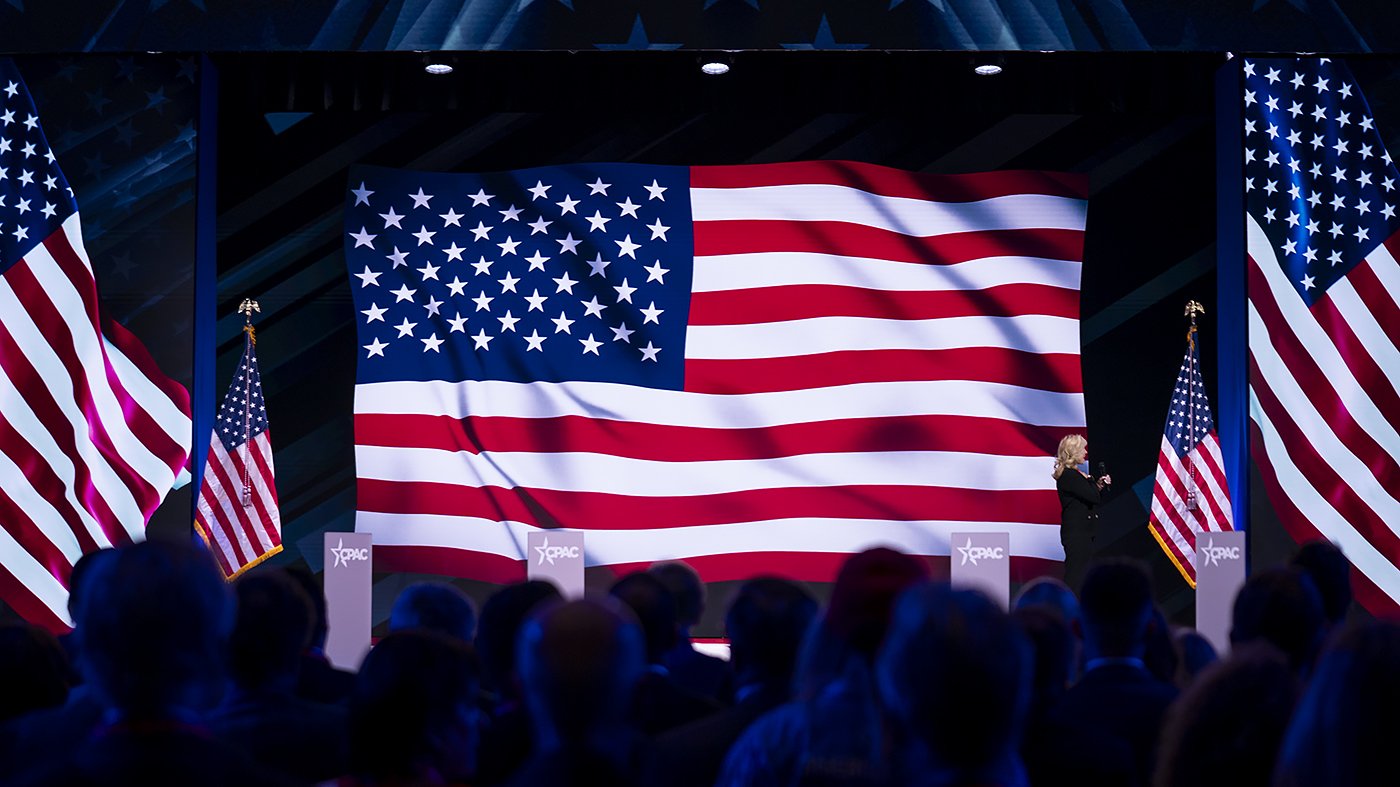
The annual Conservative Political Action Conference opens in Grapevine, Texas this week against a backdrop of significant Republican fractures, marked by the conspicuous absence of several party standard-bearers. For the first time in ten years, former President Donald Trump will not address the gathering, a decision that underscores shifting dynamics within the movement as the party grapples with foreign policy dissent and looming midterm elections.
Vice President J.D. Vance, who has been a frequent CPAC speaker since his political ascent, is also missing from the official roster. His absence fuels speculation about the 2028 presidential race, with the conference's traditional straw poll serving as an early barometer for potential successors. The event unfolds as GOP divisions over the Iran conflict create palpable tension within the ranks.
Notable Absences Signal Shifting Alliances
Trump's schedule reportedly includes an appearance at a Saudi-led investment conference followed by time at his Mar-a-Lago resort. The Democratic National Committee seized on his CPAC absence, with rapid response director Kendall Witmer stating, "Now, as his approval ratings plummet to historic lows... he's hiding from what should be a room filled with his strongest supporters." The criticism points to broader voter frustration over economic conditions and national security concerns.
Tech billionaire Elon Musk, whose dramatic chainsaw-wielding appearance at last year's conference symbolized aggressive government cuts, will not return. His falling out with the Trump administration over legislative disputes has removed one of the gathering's most theatrical figures. Meanwhile, Senator John Cornyn (R-Texas) declined invitations to attend, choosing to remain in Washington for votes on Department of Homeland Security funding and the Save America Act, which he sponsors.
Texas Senate Showdown Takes Center Stage
Cornyn's primary opponent, Texas Attorney General Ken Paxton, will command a prime speaking slot at the conference's Ronald Reagan Dinner. This contrast highlights the bitter intraparty battle for the Senate nomination, a race where both candidates have sought but not received Trump's endorsement. The Senate Republicans' campaign arm supports Cornyn, fearing a Paxton victory could jeopardize the seat in the general election.
A pro-Paxton super PAC recently aired advertisements in the West Palm Beach media market during a Trump visit, a clear attempt to court the former president's support. With the withdrawal deadline passed, both candidates are locked into a May runoff that will unfold as Democrats test new electoral strategies in Texas.
Voices From the Stage: Bannon, Populists, and Senate Hopefuls
Among the featured speakers is former White House strategist Steve Bannon, a longtime Trump ally who has publicly warned that the administration's Iran policy could become a political liability. He will be joined by conservative media figures including podcaster Benny Johnson and commentator Jack Posobiec.
The conference will also showcase several Republican Senate candidates, including RNC Chair Michael Whatley (N.C.), Representatives Mike Collins (Ga.) and Kevin Hern (Okla.), and Kentucky businessman Nate Morris. Their presence indicates CPAC's continued role as a proving ground for candidates aligning with the party's populist wing.
The gathering occurs as Republicans work to maintain congressional control in the fall midterms, with internal disputes over spending and foreign policy complicating their strategy. These divisions are not limited to CPAC; figures like Senator Rick Scott have publicly dismissed party proposals as unrealistic, while others, like Representative Adam Schiff, have cast doubt on the administration's foreign policy assertions.
As activists convene in Texas, the absences of Trump, Vance, and Musk speak as loudly as the scheduled speeches, revealing a movement in transition as it confronts war, electoral challenges, and the inevitable question of what comes after Trump.