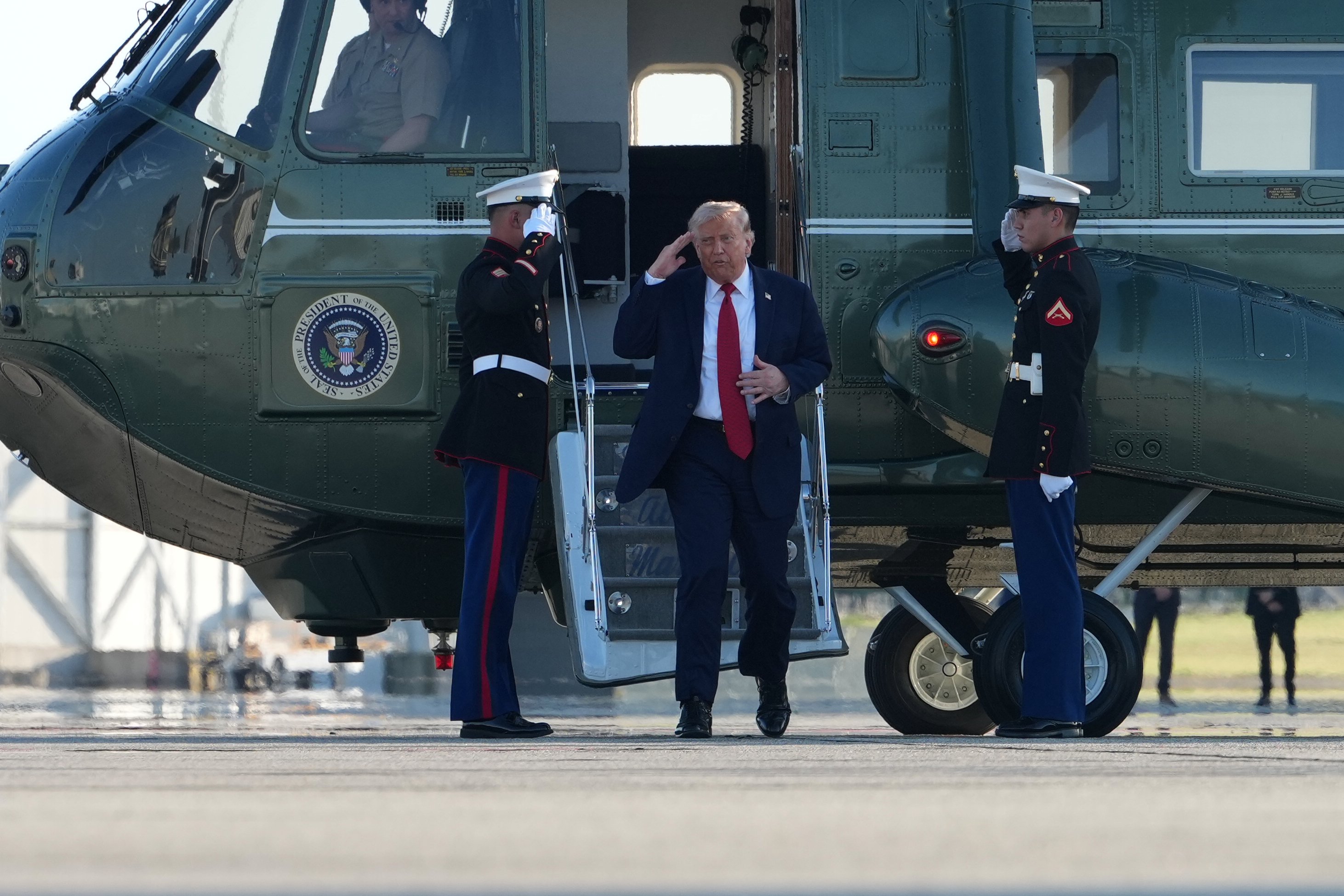
President Trump signed a memorandum of understanding with Iran on Wednesday, formally ending the military conflict between the two nations, during a working dinner with French President Emmanuel Macron at the Palace of Versailles. The move caps months of behind-the-scenes diplomacy and marks a dramatic shift in U.S. policy toward Tehran.
Details of the Agreement Emerge
Senior administration officials briefed reporters on the MOU's specifics earlier Wednesday, though key provisions remain confidential. According to Axios, Trump personally signed the document at Versailles, and a photograph of the signed copy was relayed to Iranian officials and mediating countries. Esmail Baghaei, Iran's Foreign Ministry spokesman, confirmed to Iranian state media that both Trump and Iranian President Masoud Pezeshkian signed the agreement.
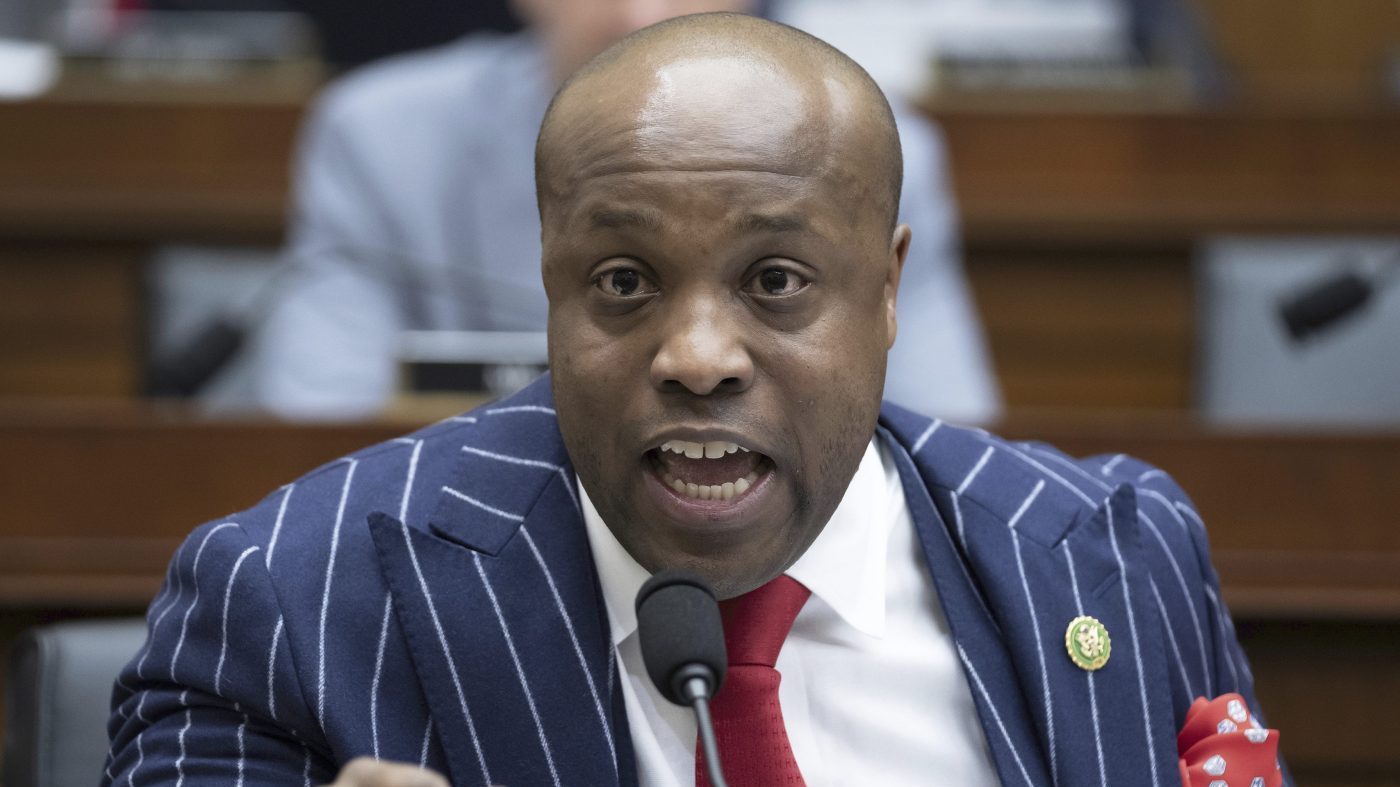
The deal has already drawn sharp criticism from hawkish lawmakers and former officials. In a related development, Trump's Iran Deal Defense Sparks Fury as Hawks Cry 'Surrender', with many accusing the administration of capitulating to Tehran. Critics argue the pact could embolden Iran's regional ambitions and nuclear program.
Trump Defends the MOU as Provisional
In response to backlash, Trump characterized the MOU as a provisional step, warning that the U.S. reserves the right to resume bombing if Iran fails to comply. The president's stance is detailed in Trump Defends Iran MOU as Provisional, Threatens Renewed Bombing. This dual-track approach—signing a peace deal while threatening military action—has left allies and adversaries uncertain about Washington's long-term strategy.
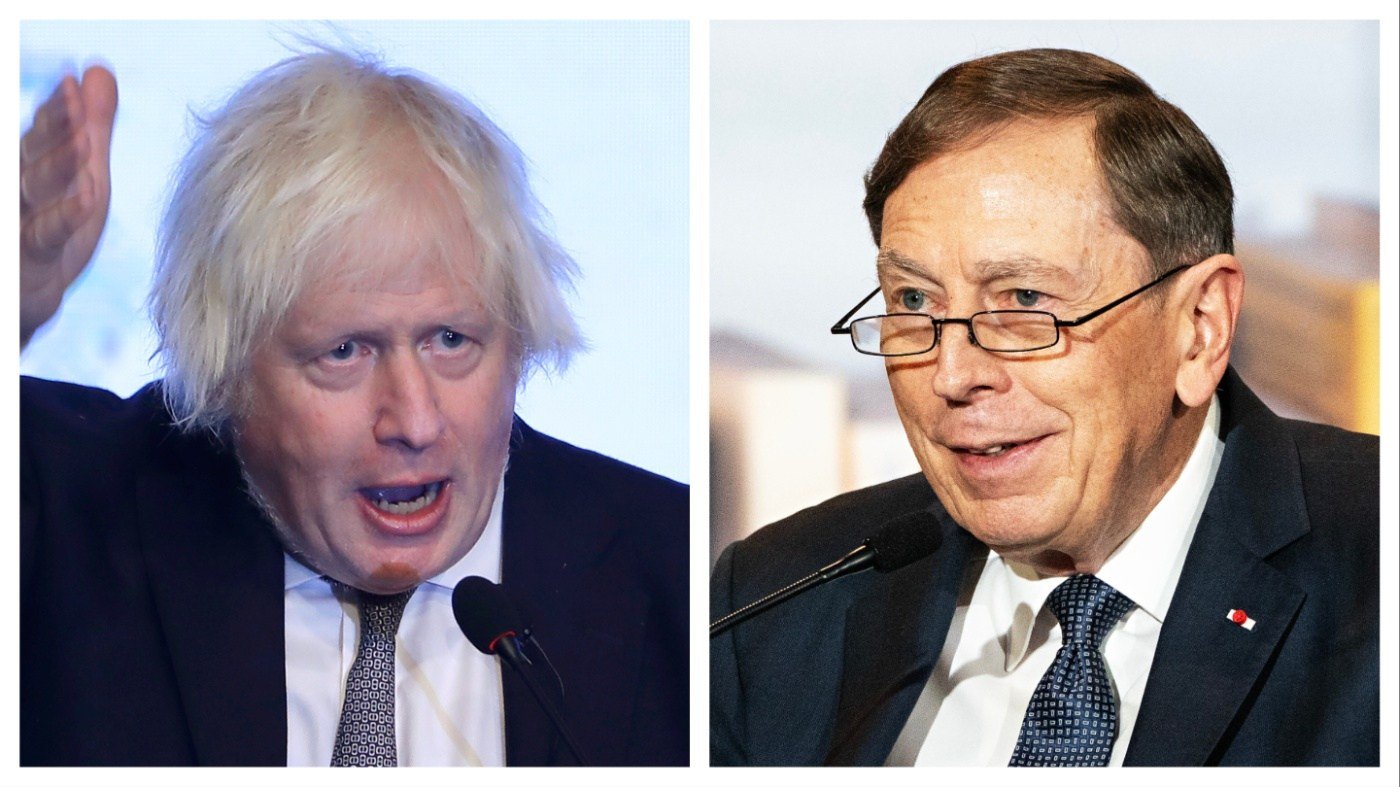
Former White House Chief of Staff John Kelly has warned that the pact strengthens Tehran and risks a nuclear breakout, as reported in Kelly Warns Trump-Iran Pact Strengthens Tehran, Risks Nuclear Breakout. Kelly's assessment echoes concerns from intelligence agencies that Iran could exploit the agreement to accelerate its nuclear activities.
Broader Political and Economic Implications
The signing comes amid a flurry of other administration actions. The Trump administration also paid Invenergy $765 million to scrap offshore wind projects and pivot to natural gas and geothermal energy, a move that has reignited debates over energy policy and climate commitments. Meanwhile, House Democrats are demanding answers on reported discussions within the administration about suspending habeas corpus, raising alarms about executive overreach.
On the economic front, the Federal Reserve held interest rates steady at Warsh's first meeting, but inflation pressures and Trump's policy moves are mounting. The Iran deal could further complicate the Fed's calculus by potentially lowering oil prices or, conversely, triggering new geopolitical risks.
The agreement's long-term viability remains uncertain. Trump has hinted at extending the 60-day timeline for negotiations, suggesting a softer stance than initial threats. Yet, as the MOU takes effect, the world watches whether this Versailles accord will bring lasting peace or merely a pause in hostilities.