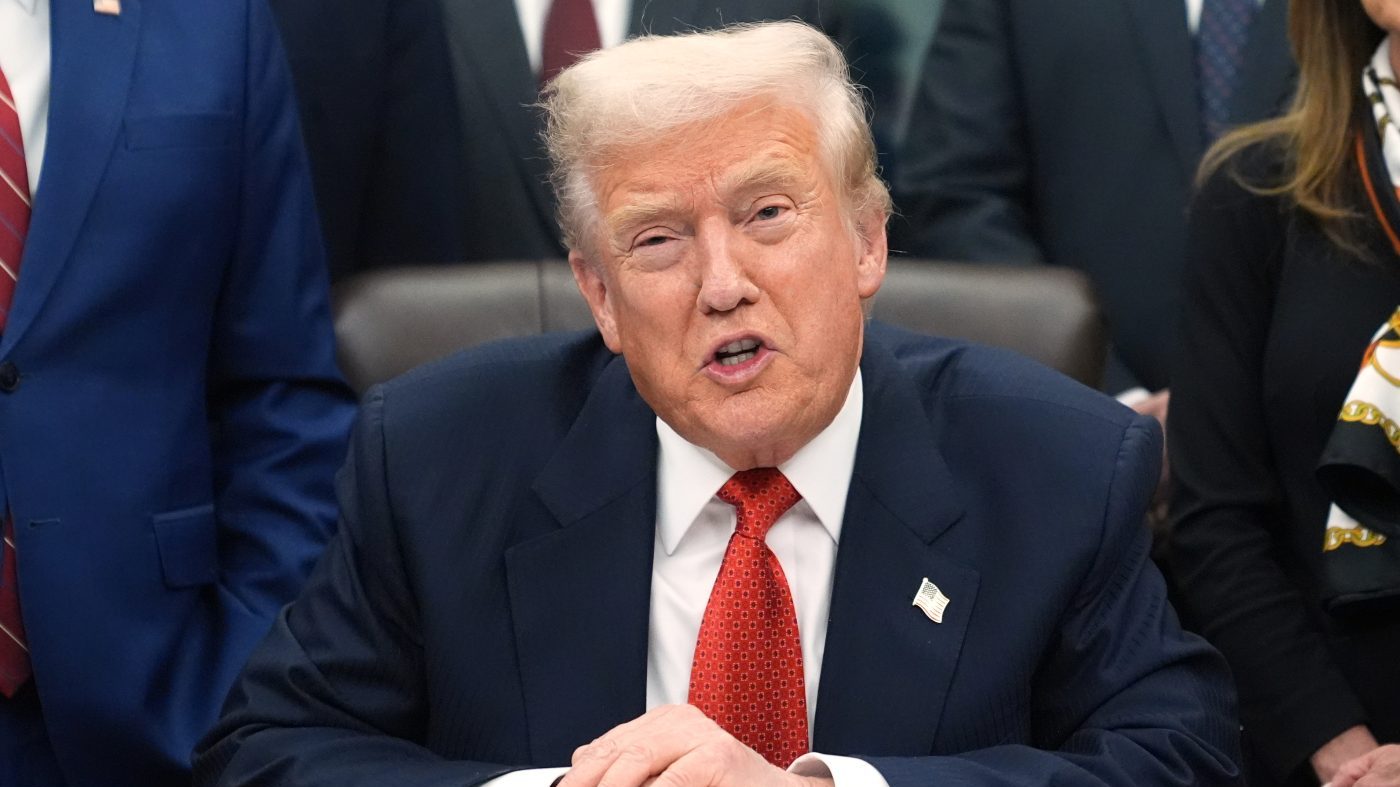
President Trump signed the Secure America Act into law Wednesday morning, cementing a major legislative win for his administration. The nearly $70 billion reconciliation package, which funds U.S. Immigration and Customs Enforcement and Border Patrol through 2029, cleared the House on Tuesday by a razor-thin 214-212 margin.
The bill, a centerpiece of Trump's immigration enforcement agenda, had stalled for weeks in the Senate before advancing Friday. House Republicans celebrated the passage as a key victory, though the vote highlighted lingering divisions within the GOP. Rep. Kevin Kiley, an independent from California, broke with his party to vote with Democrats against the measure.
Speaking at the signing ceremony, Trump framed the legislation as a critical step to secure the southern border and ramp up deportations. The White House has signaled that this is just the first phase of a broader immigration crackdown, with additional enforcement measures expected in coming months.
The Secure America Act allocates funding for hiring more Border Patrol agents, expanding detention capacity, and upgrading surveillance technology. It also includes provisions to speed up removal proceedings and increase penalties for repeat border crossers. Democrats decried the bill as costly and punitive, arguing it fails to address root causes of migration.
The signing comes amid heightened tensions over immigration policy and border security. The Trump administration has also faced scrutiny over other issues, including a resurgence of screwworm cases that officials blame on the previous administration. Meanwhile, the GOP is demanding clarity on the costs of potential military action before backing new funding, as seen in the debate over Iran war costs.
Political analysts note that the narrow House vote underscores the challenges Republicans face in advancing their agenda. With only a slim majority, party leaders must navigate internal dissent while delivering on Trump's priorities. The reconciliation process allowed the bill to bypass a Senate filibuster, but it required near-unanimous GOP support in the House.
For Trump, the Secure America Act represents a tangible achievement to tout on the campaign trail. The president has made immigration enforcement a cornerstone of his political identity, and this legislation gives him a concrete record to defend. However, critics argue that the bill's price tag and limited focus on legal immigration reform leave key issues unresolved.
The signing event, held at the White House, drew a crowd of Republican lawmakers and immigration hardliners. Trump used the occasion to reiterate his commitment to a hardline border policy, vowing to continue pushing for additional funding and authority. The administration is also pressuring the UK on other policy fronts, highlighting the president's expansive agenda.
As the Secure America Act takes effect, its implementation will be closely watched. The funding runs through 2029, ensuring that the next administration will inherit a fully funded enforcement apparatus. Whether that leads to a sustained reduction in illegal crossings or sparks further legal challenges remains to be seen.