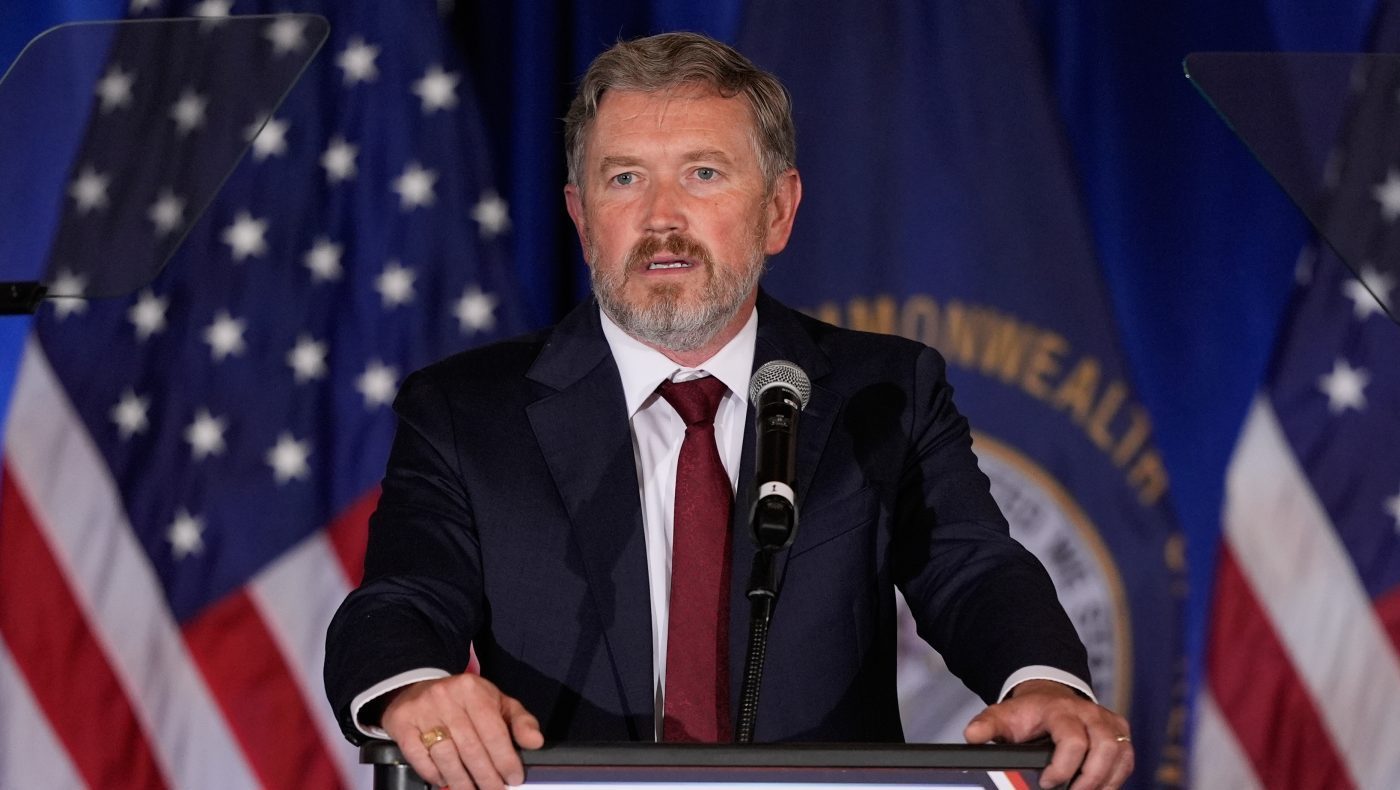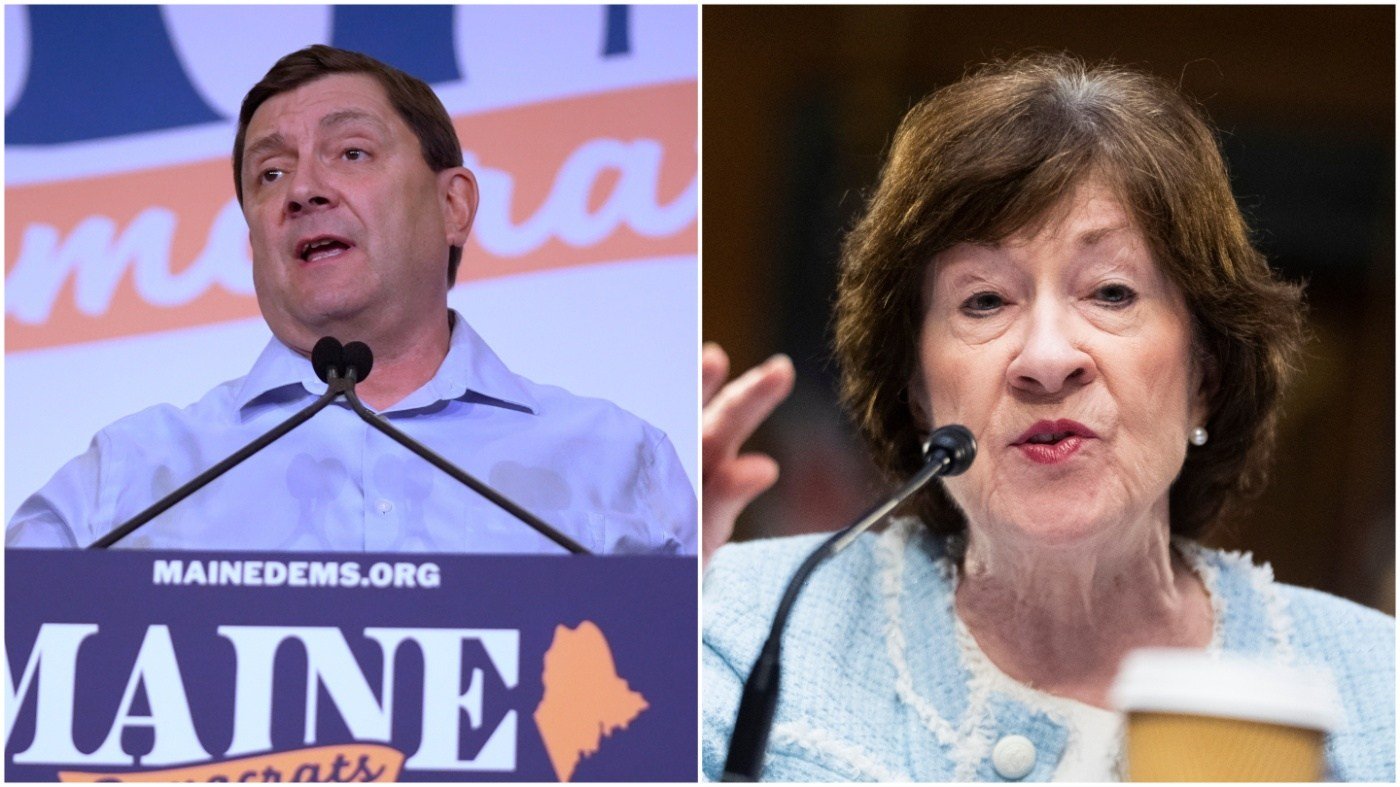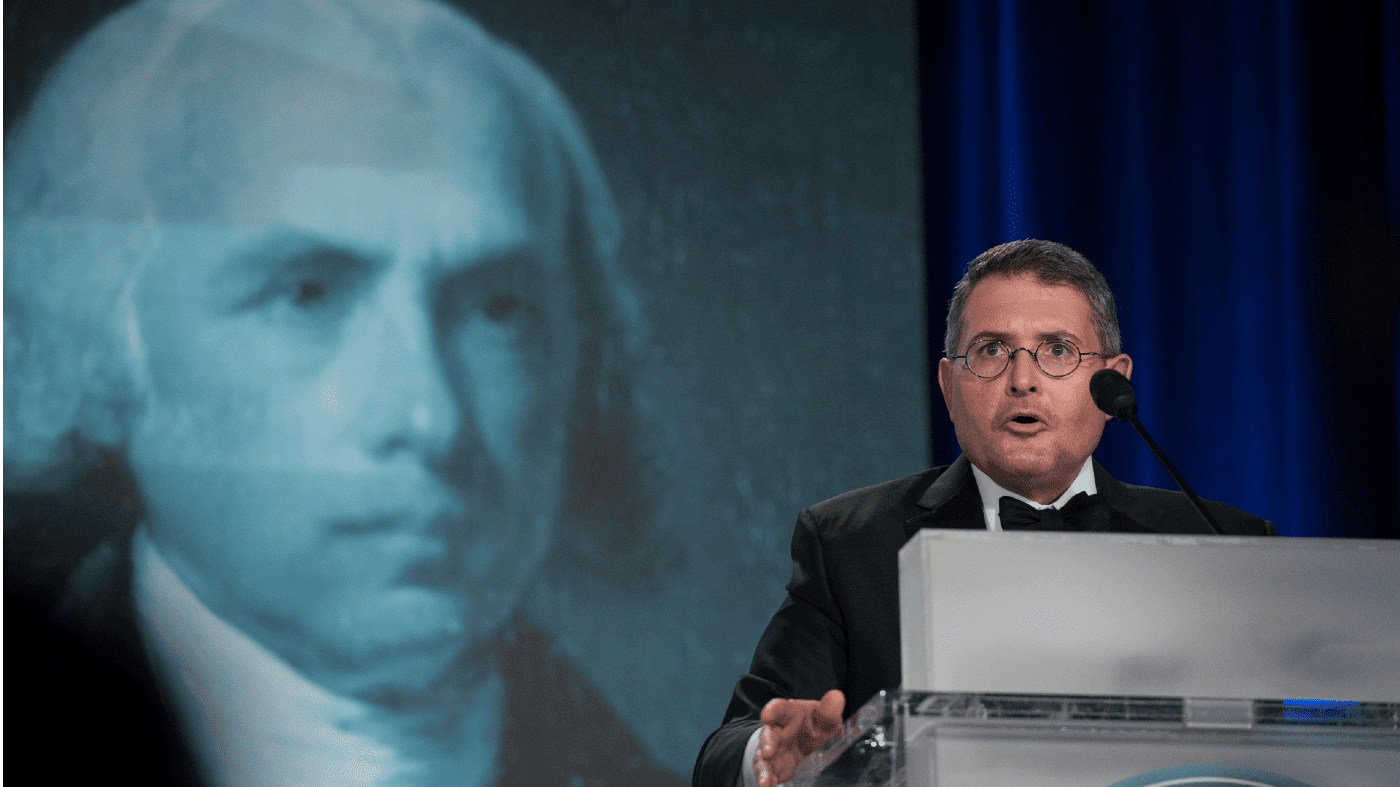
President Trump's very public falling-out with the Federalist Society raised questions about whether his second-term judicial nominees would break from the conservative legal network's mold. Sixteen months in, the answer is clear: they haven't.
Despite Trump's frustrations that judges vetted by the group weren't sufficiently loyal to his agenda, his latest slate of court picks looks strikingly similar to those from his first term. The Federalist Society's deep roots in the conservative legal movement have made a clean break nearly impossible.
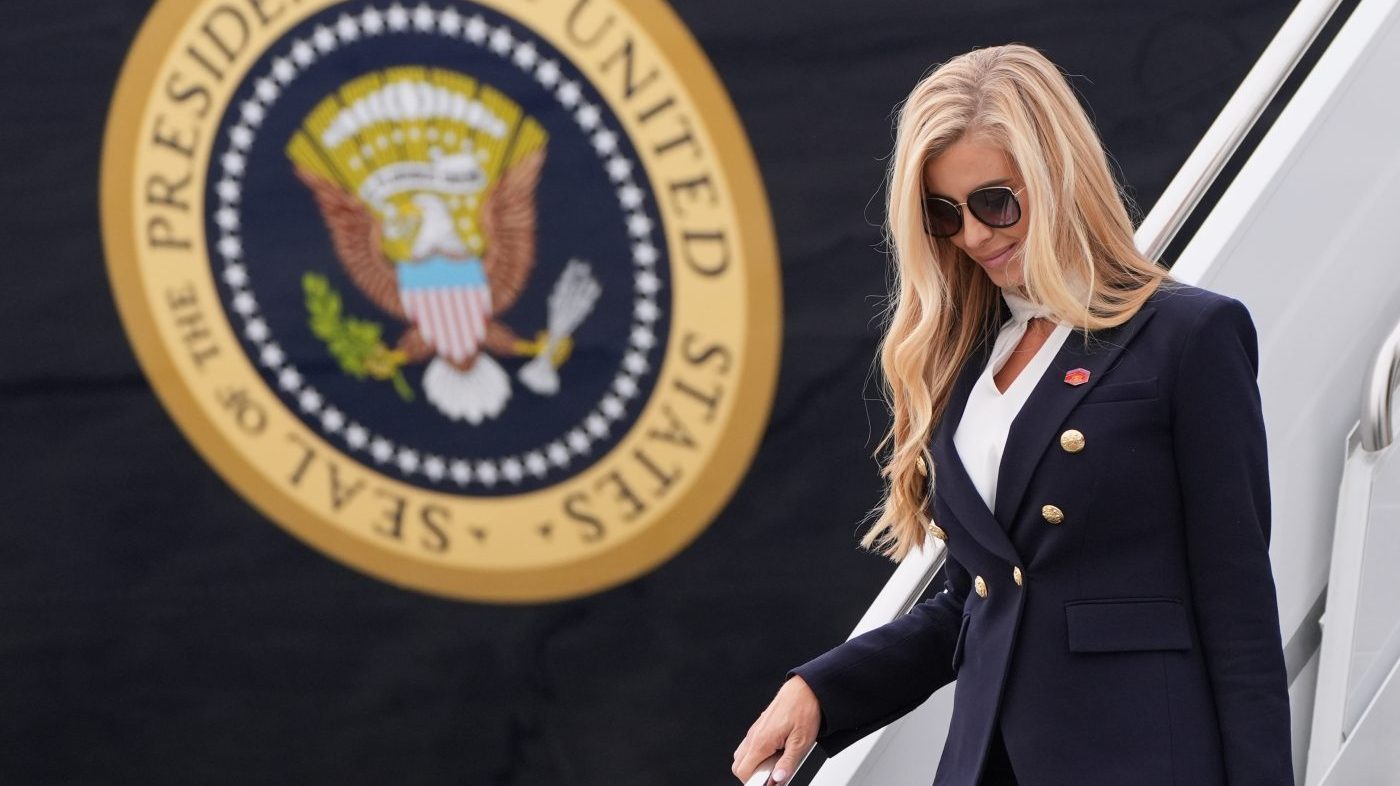
Democrats have seized on the continued ties, grilling nominees about their involvement. At her confirmation hearing, Whitney Hermandorfer, Trump's first circuit court nominee, defended the organization, calling it "a wonderful place to get together with the many, many lawyers who are members and learn about the law and discuss issues." The Gavel reached out to the Federalist Society for comment.
Data shows that every one of Trump's confirmed circuit court nominees except one—Emil Bove, a former personal lawyer—has appeared at a Federalist Society event, according to the group's website. Bove, nominated to the 3rd Circuit, faced skepticism from traditional conservative legal circles, but he acknowledged speaking with Federalist Society President Sheldon Gilbert after his nomination, discussing his "work experience, my qualifications for the position, and my judicial philosophy."
Nominating former personal attorneys is a new element of Trump's second-term picks. Beyond Bove, Justin Smith—who defends Trump in writer E. Jean Carroll's lawsuit—was nominated to the Eighth Circuit, and Matthew Schwartz, one of Trump's hush money lawyers, to the Second Circuit. Smith is set to speak at a FedSoc summit in Washington, D.C. today.
Many of these nominees follow the same pipeline that has fed conservative judges for decades, a pipeline the Federalist Society built since its founding in the 1980s to challenge liberal orthodoxy in law schools. While the group officially takes no position on specific cases, it has become synonymous with the conservative legal movement, propelling young lawyers into judgeships.
The group's crowning achievement came in Trump's first term, when longtime leader Leonard Leo compiled the lists that produced Supreme Court Justices Neil Gorsuch, Brett Kavanaugh, and Amy Coney Barrett. But as Trump's second-term agenda has faced judicial roadblocks—including from his own appointees—his relationship with the Federalist Society has soured. After a lower court blocked his tariffs last year, Trump called Leo a "sleazebag" on Truth Social, adding, "Leonard has a big and very dangerous mouth!"
Yet that anger hasn't stopped the administration from participating in the group's events. Later this week, Associate Attorney General Stanley Woodward is scheduled to speak at the Federalist Society's executive branch summit in Washington. At the group's annual convention, now-acting Attorney General Todd Blanche joined for a fireside chat, and several other senior department officials have appeared.
This enduring influence highlights a paradox: Trump's public break with the Federalist Society has done little to loosen its hold on his judicial selections. For a president who has sought to reshape the judiciary in his image, the group's fingerprints remain all over his nominees.