President Donald Trump has thrown his weight behind a temporary suspension of the federal gas tax, a proposal gaining traction in the White House as soaring oil prices—driven by the ongoing conflict with Iran—continue to squeeze American motorists. Energy Secretary Chris Wright confirmed Sunday that the administration is actively considering the pause, and Trump himself endorsed the idea during a Monday call with CBS News, calling it “a great idea.”
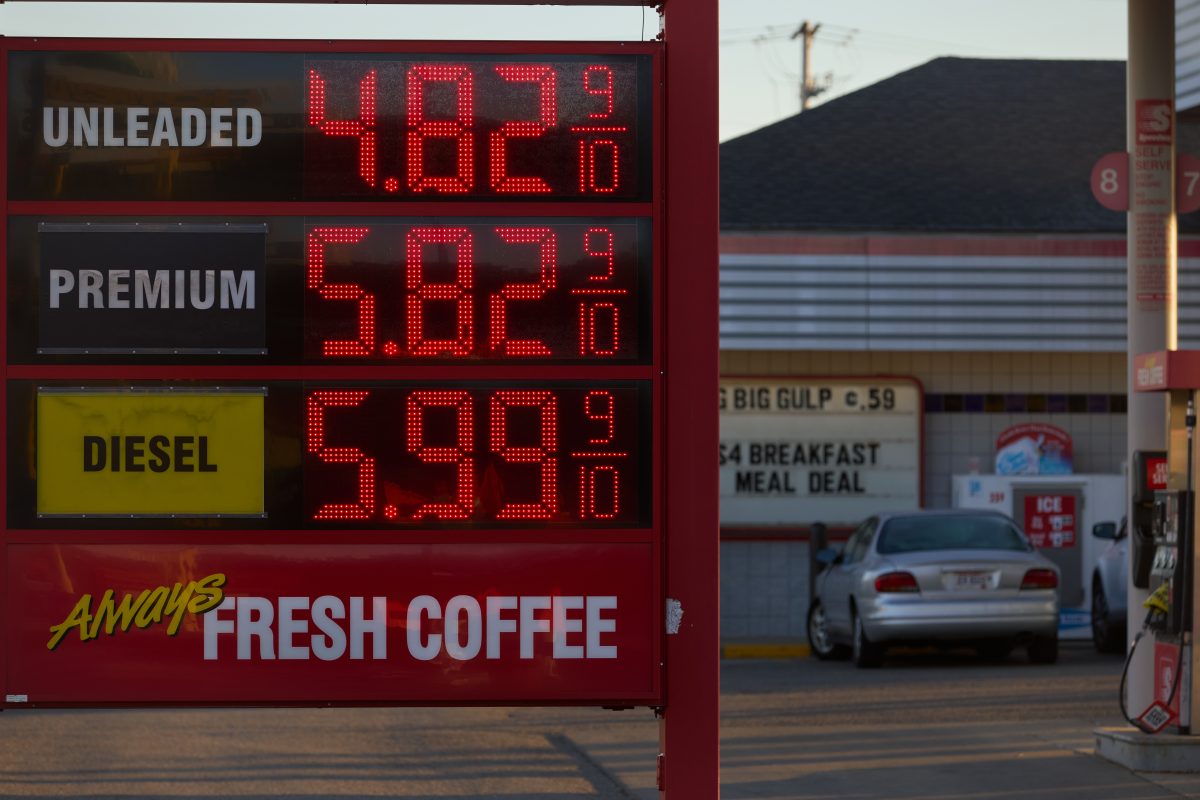
“We’re going to take off the gas tax for a period of time, and when gas goes down, we’ll let it phase back in,” Trump said. The move comes as the national average for a gallon of regular gasoline hit $4.52 on Monday, according to AAA, a sharp climb from $2.98 on Feb. 26, just before U.S. military action in Iran disrupted global crude supplies.
What Is the Federal Gas Tax?
The federal gas tax currently stands at 18.4 cents per gallon of gasoline and 24.4 cents per gallon of diesel. Of that, 1 cent per gallon is diverted to the Leaking Underground Storage Tank Fund, with the remainder—the vast majority—flowing into the Highway Trust Fund, which finances surface transportation projects like road maintenance and construction, as the Department of Transportation explains.
Suspending the tax would provide immediate relief, but the savings are modest relative to the overall price at the pump. For a typical driver filling a 15-gallon tank, the reduction would be about $2.76 per fill-up—hardly a windfall, but meaningful for households already stretched by inflation. Critics note that even with a suspension, prices would remain well above pre-conflict levels.
Legislative and State-Level Action
Any federal gas tax holiday requires congressional approval, a hurdle that could delay or derail the plan. On the state level, however, several governors have already acted. Georgia and Indiana have suspended their state gas taxes, Utah approved a tax reduction, and Oregon voters will soon decide whether to repeal a recent increase. These state-level moves reflect growing political pressure to address rising costs—a theme that resonates with voters, as a recent poll found 77% blame Trump’s policies and the Iran war for higher living expenses.
Trump’s trip to Beijing for a critical summit with Xi Jinping adds another layer of complexity, as the president seeks to leverage diplomacy to end the Strait of Hormuz blockade and stabilize oil markets. Energy Secretary Wright, meanwhile, has been cautious about predicting when prices might fall, telling NBC News on Sunday he “can’t make any predictions on oil prices or gasoline prices”—a stark reversal from his March forecast that gas could dip below $3 by summer.
What’s Next?
With Congress set to debate the gas tax suspension, the outcome remains uncertain. Proponents argue it offers a quick fix for voters, while opponents warn it would drain the Highway Trust Fund and do little to address the root cause: geopolitical turmoil in the Middle East. For now, Trump’s support gives the idea momentum, but the path to enactment is far from clear.