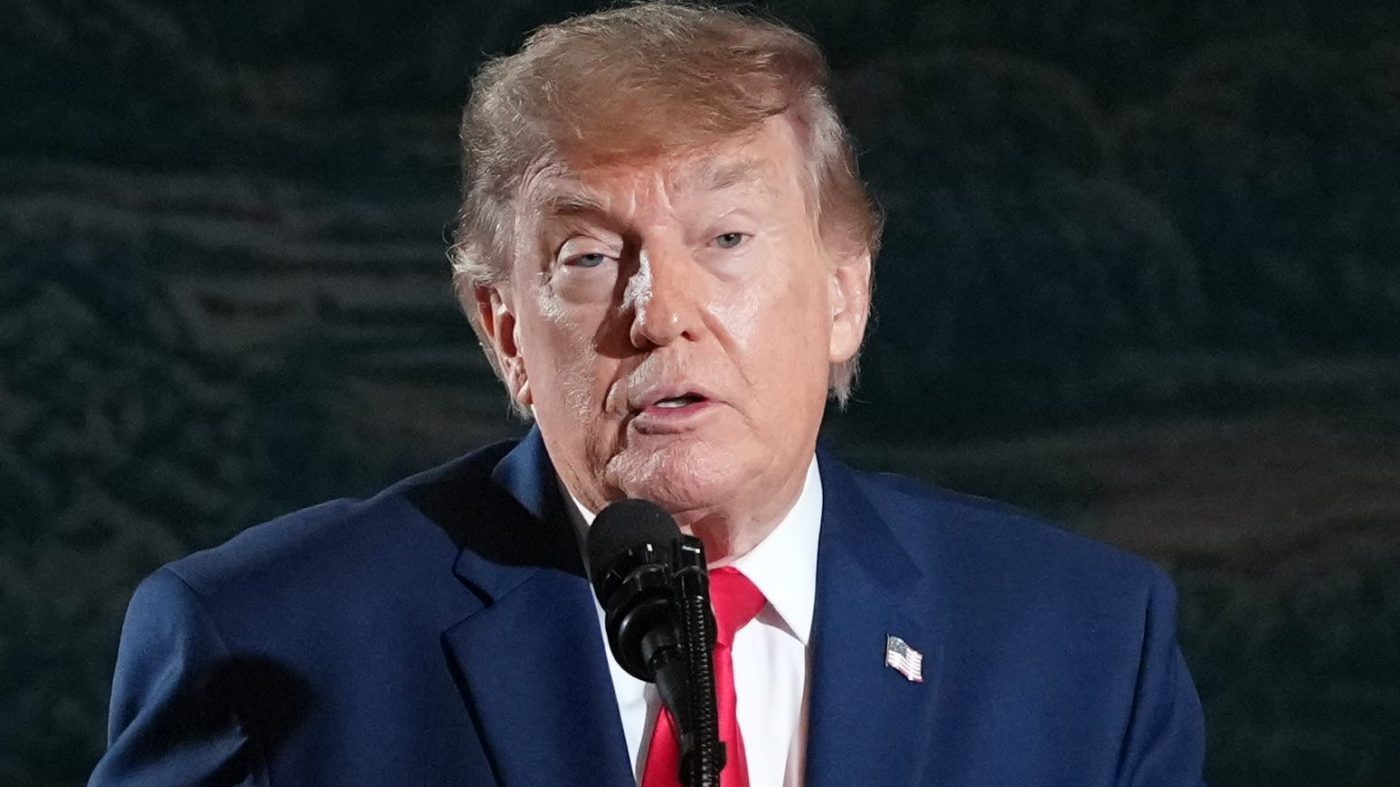
A fresh Reuters/Ipsos survey released Monday shows President Trump's approval rating stuck at 32%, matching the previous four polls and hovering just above the lowest mark of his presidency. The survey, conducted Nov. 13-16 among 1,521 respondents, carries a margin of error of 3 percentage points.
The president's job approval first dipped to 31% last month, the nadir of both his terms. In the latest reading, 66% of Americans disapprove of his performance, a 2-point improvement from that low point but still a deeply negative assessment.
Economic anxiety drives dissatisfaction
Support for Trump's agenda has slipped across the board over the summer, with several surveys placing it in the low-to-mid 30s. Americans are particularly unhappy with his handling of the economy, as the cost of living continues to rise. The Iran war has also fueled inflation, pushing gas prices near $5 a gallon nationally, and even higher in some states like California, where averages approached $7. Although prices have eased in recent weeks—the national average dropped to $3.78 on Tuesday, down more than 50 cents from last month's $4.31, according to AAA—the relief may be too late for many.
AAA warned Monday that the higher costs could deter some travelers this Thanksgiving. An estimated 72.9 million people plan to drive to their holiday destinations, a slight dip from 73.1 million last year, as airfare and gas remain pricey.
Midterm fallout and war rhetoric
The ongoing Middle East conflict has been cited by Trump and Vice President Vance as a likely factor in the Republican losses during the 2026 midterm elections earlier this month. Trump has tried to project confidence, saying last week that the war is "effectively over" and that the U.S. "won," even as a massive American military presence remains in the region. He has also signaled he would avoid escalating the conflict, especially after negotiations helped bring down fuel prices.
However, experts argue that the prolonged uncertainty over the war has kept prices elevated. The president's handling of the conflict remains a contentious issue, with critics pointing to the economic strain it has caused. Meanwhile, the administration's broader agenda continues to face headwinds, as Democrats gear up for oversight battles in the new Congress.
As the holiday season approaches, the political landscape remains fraught. Trump's approval numbers show little sign of recovery, and with the economy and foreign policy front and center, the coming months will test his ability to regain public confidence.