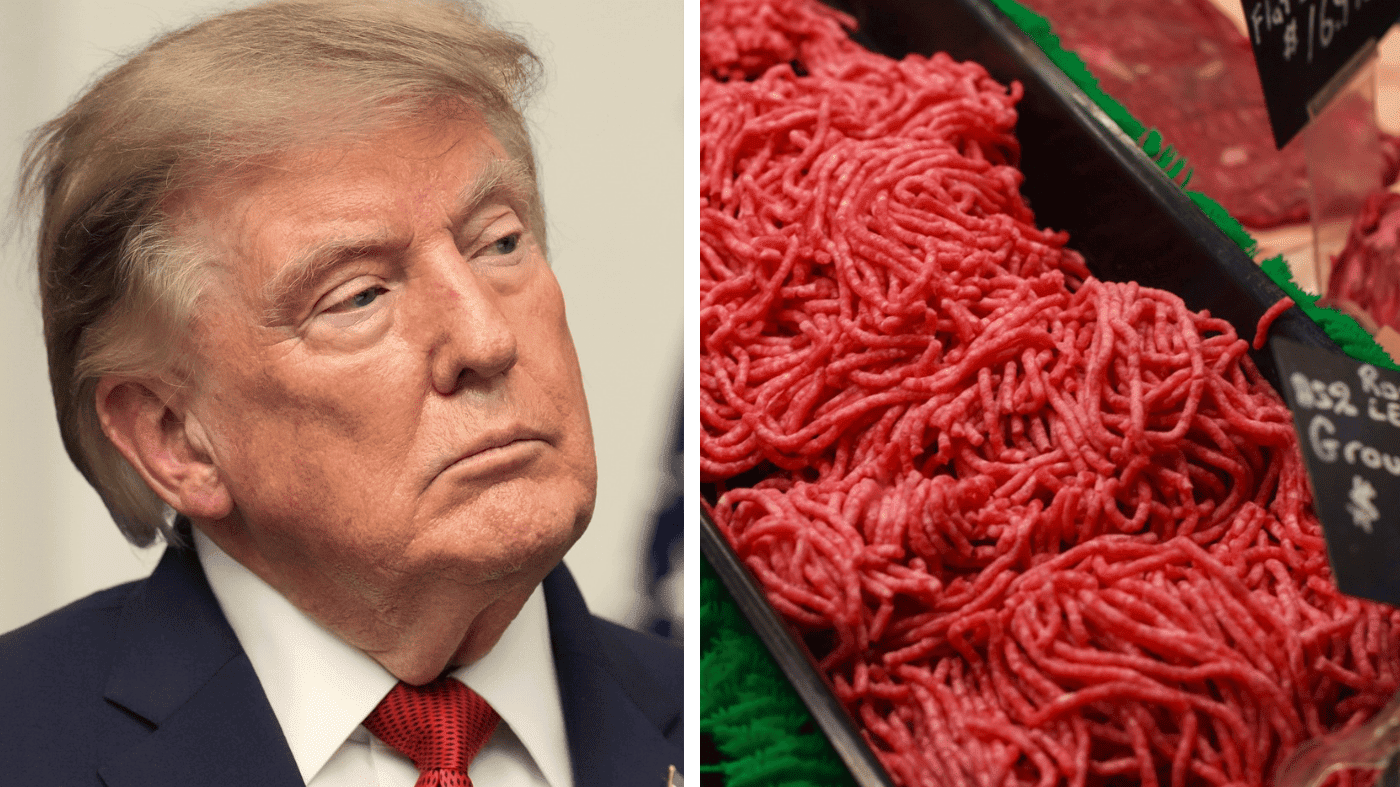
President Trump's latest intervention in the beef market is drawing sharp rebukes from Republican ranchers and lawmakers, who warn the move will undercut American producers and could backfire politically.
In a Truth Social post, Trump announced that for the next 90 days, the United States will allow up to 300,000 metric tons of ground beef to be imported without out-of-quota tariffs, provided the beef is sold at 25 percent below current market prices. The president did not specify the source country, but he has previously floated similar arrangements with Argentina.
The decision comes as beef prices have outpaced other food costs during Trump's second term. According to the July Consumer Price Index, ground beef and steak prices each rose by 9 percent or more year-over-year, fueling consumer frustration and political pressure on the administration.
But the move has ignited a firestorm among cattle ranchers and their allies in Congress. Sen. Tim Sheehy (R-Mont.), a staunch Trump supporter, took to X on Friday to voice his opposition, saying he had warned against such action "because American ranchers have been struggling against the packer monopoly for decades, and this will further harm them — most of whom are MAGA Republicans."
Rep. Thomas Massie (R-Ky.) was equally blunt, calling the plan "a slap in the face to American cattlemen & consumers" and arguing that dumping foreign beef on U.S. markets might temporarily lower prices but would not incentivize domestic farmers to increase production. "Worse than socialism!" he wrote.
Former Rep. Marjorie Taylor Greene (R-Ga.) also weighed in, noting that U.S. farmers "will now be undercut by foreign imported beef, as they have been hit financially with high cost of fertilizer and diesel from Trump's war with Iran."
The backlash echoes earlier criticism of Trump's forays into beef policy, which have already strained relations with a key Republican constituency. The bipartisan rebuke from Massie and Greene underscores the political tightrope Trump faces as he tries to address consumer prices without alienating his rural base.
Meanwhile, Treasury Secretary Scott Bessent is scrambling to calm bond markets, which have been selling off U.S. debt amid concerns about the economy. On Wednesday, Bessent doubled the Treasury's buyback limit, and on Thursday he went on CNBC to signal readiness to intervene further. Despite those efforts, the 30-year bond yield remained above 5.25 percent on Friday, its highest level since before the 2008 global recession.
Bessent argued that markets are misreading America's economic strength, telling CNBC, "We have a big toolkit. Part of it is signaling here and to show that we believe that the yields don't reflect the underlying fundamentals." The Hill's Niall Stanage offers a helpful explainer on the bond yield situation.
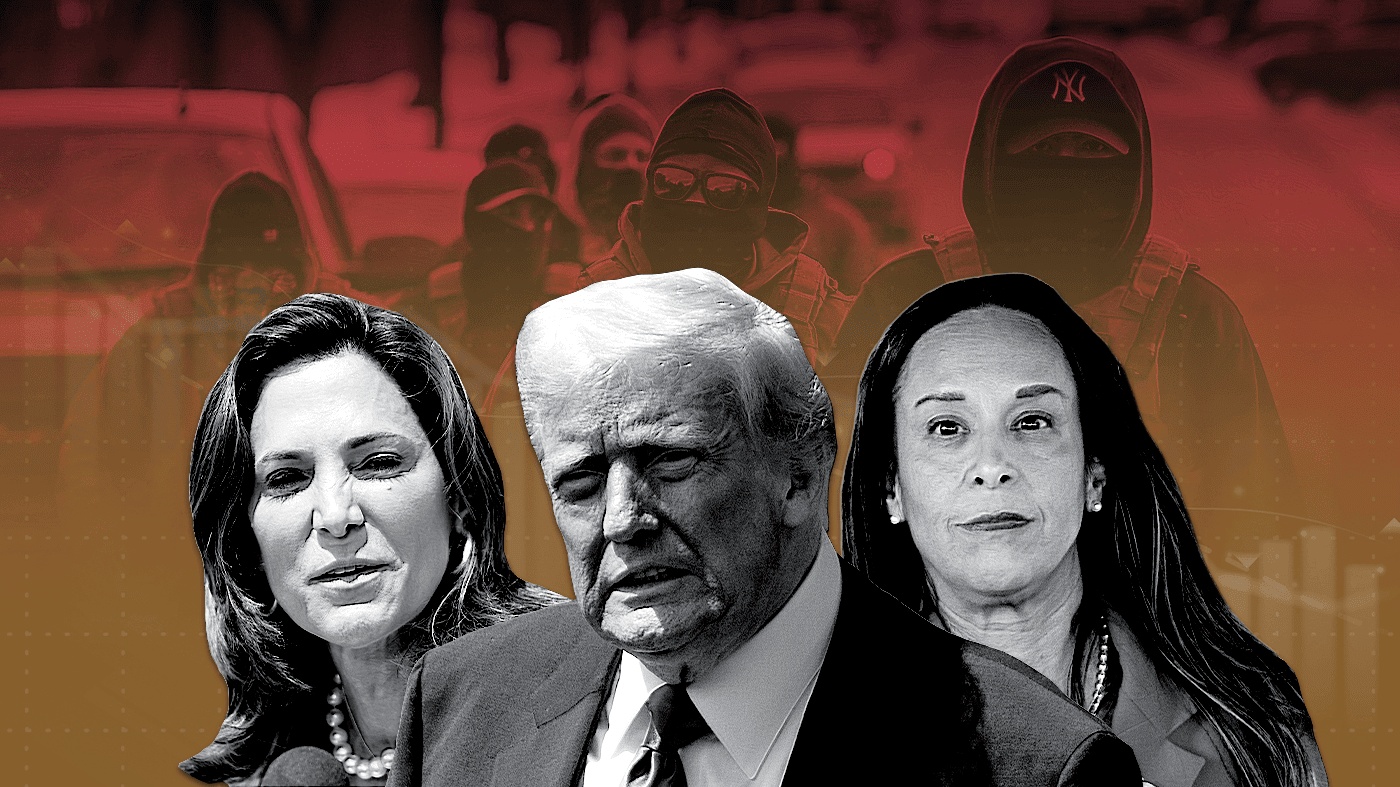
On the campaign trail, Trump is heading to Myrtle Beach to campaign for Sen. Darline Graham (R-S.C.) ahead of Tuesday's GOP runoff against Rep. Ralph Norman. Graham, who is serving out her late brother Lindsey Graham's term, stumbled in a debate earlier this week, admitting national security is "not" her forte when pressed on Taiwan and the South China Sea. Norman's camp has seized on the gaffe, while Graham has pitched herself as a political outsider. Trump's rally in Myrtle Beach, the heart of Rep. Russell Fry's district, could help mobilize crucial GOP voters.