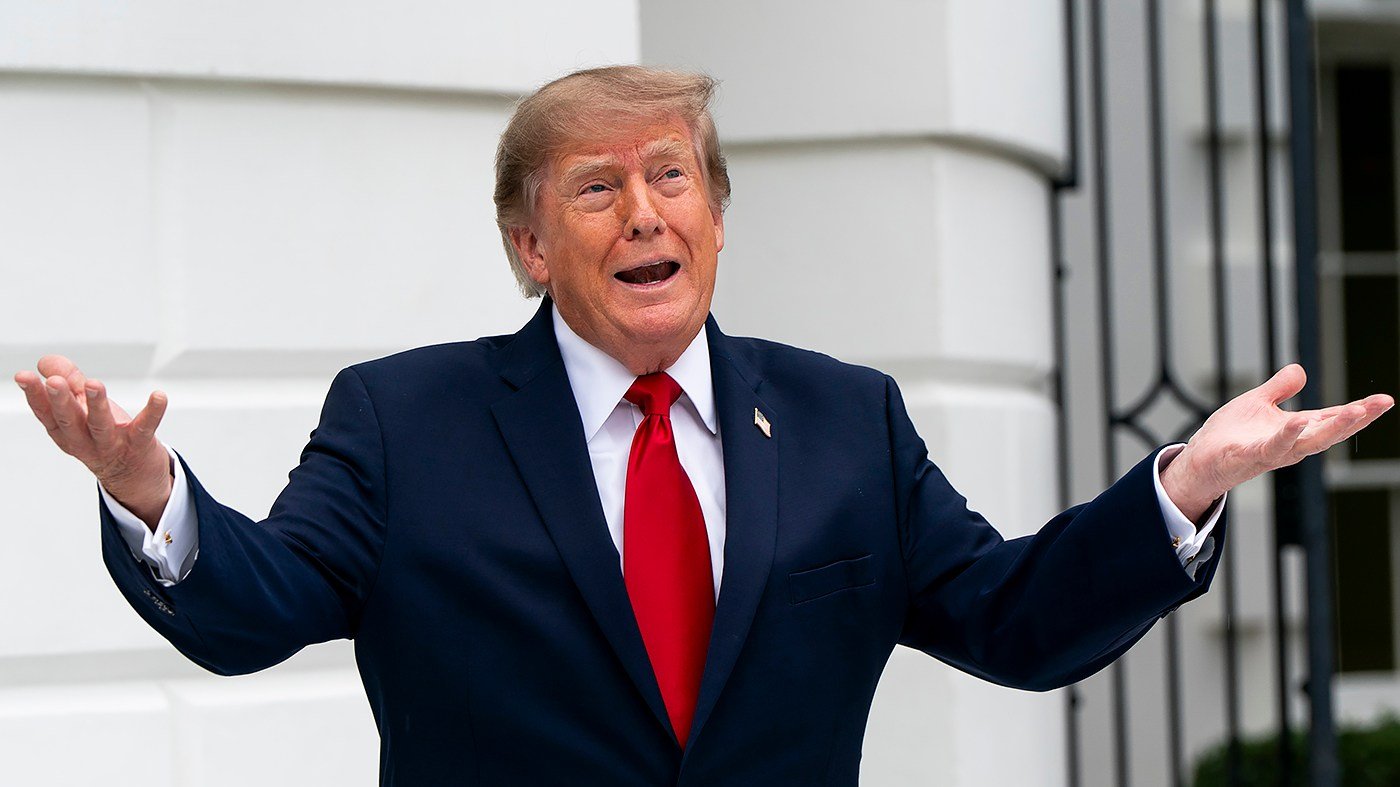
President Donald Trump has amassed more than $4 billion since reclaiming the White House, a financial windfall that critics say represents the most brazen blurring of public office and personal enrichment in modern American history. Unlike his predecessors, who either placed assets in blind trusts or held diversified portfolios, Trump has retained ownership of a sprawling business empire directly affected by his own policy decisions.
The bulk of this wealth comes from cryptocurrency ventures, real estate deals, and licensing agreements that have benefited from Trump's actions as president. His family's crypto project, World Liberty Financial, alone netted an estimated $1.4 billion, while the $TRUMP memecoin launched days before his 2025 inauguration generated over $600 million for the Trumps—even as investors lost more than $700 million.
Trump's administration has systematically weakened federal oversight of the crypto industry, creating an environment where his family's financial interests align with regulatory rollbacks. The Securities and Exchange Commission has dismissed enforcement actions against key players, many with ties to Trump, and reclassified digital assets as commodities. The Department of Justice disbanded its cryptocurrency enforcement team, reducing prosecutions for crypto-related crimes.
This pattern extends beyond crypto. Trump's hotels and golf clubs have become hubs for foreign delegations, lobbyists, and donors, with taxpayers spending over $100 million on security for his frequent stays at his own properties. Licensing deals abroad have flourished, including a $1.5 billion golf development in Vietnam that received expedited approval despite local laws—shortly before the administration lowered threatened tariffs.
Foreign governments have funneled money to Trump-linked entities: Qatar gifted a luxury Boeing 747; Saudi Arabia invested $2 billion in Jared Kushner's private equity firm; and the United Arab Emirates deposited $500 million into World Liberty Financial. Months later, the White House granted the UAE access to advanced computer chips.
Technology and media companies have paid Trump over $90 million to settle defamation lawsuits, including a $16 million settlement from Paramount over editing a Kamala Harris interview. Three weeks later, the administration approved Paramount's merger with Skydance Media.
In what critics call the most blatant example of presidential corruption in modern times, Trump settled his lawsuit against the IRS for a $1.776 billion fund he could use to reward supporters and immunity for himself and family from IRS claims. Political backlash forced him to abandon the fund, but the immunity remains.
The erosion of ethical guardrails—including inspectors general, ethics offices, and whistleblower protections—has left Americans questioning whether policy decisions serve the public interest or Trump's personal gain. Polls show most Americans now believe Trump is corrupt and would accept a bribe. This crisis of confidence threatens the foundation of democratic governance, as citizens lose faith in a system that appears rigged for the powerful.