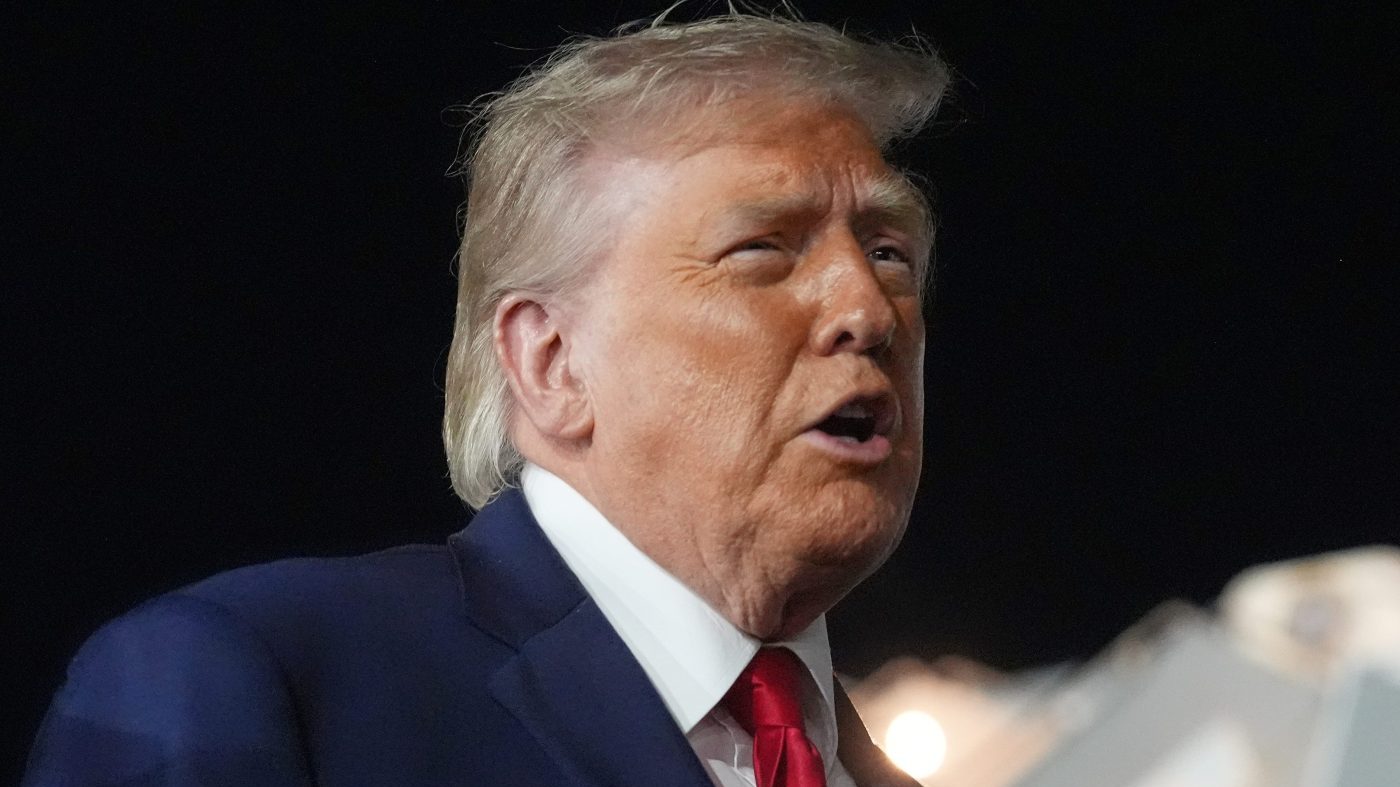
President Donald Trump declared on Tuesday that Iran was responsible for shooting down a U.S. Apache helicopter overnight, and he pledged a retaliatory strike. The downing occurred during a patrol mission over the Strait of Hormuz, a critical waterway for global oil shipments.
In a post on his Truth Social platform, Trump wrote, “I have just been informed by our Great Military that last night the Iranians shot down one of our highly sophisticated Apache Helicopters while patrolling over the Strait of Hormuz.” He added that both pilots were safe and uninjured but insisted, “Nevertheless, the United States must, of necessity, respond to this attack.”
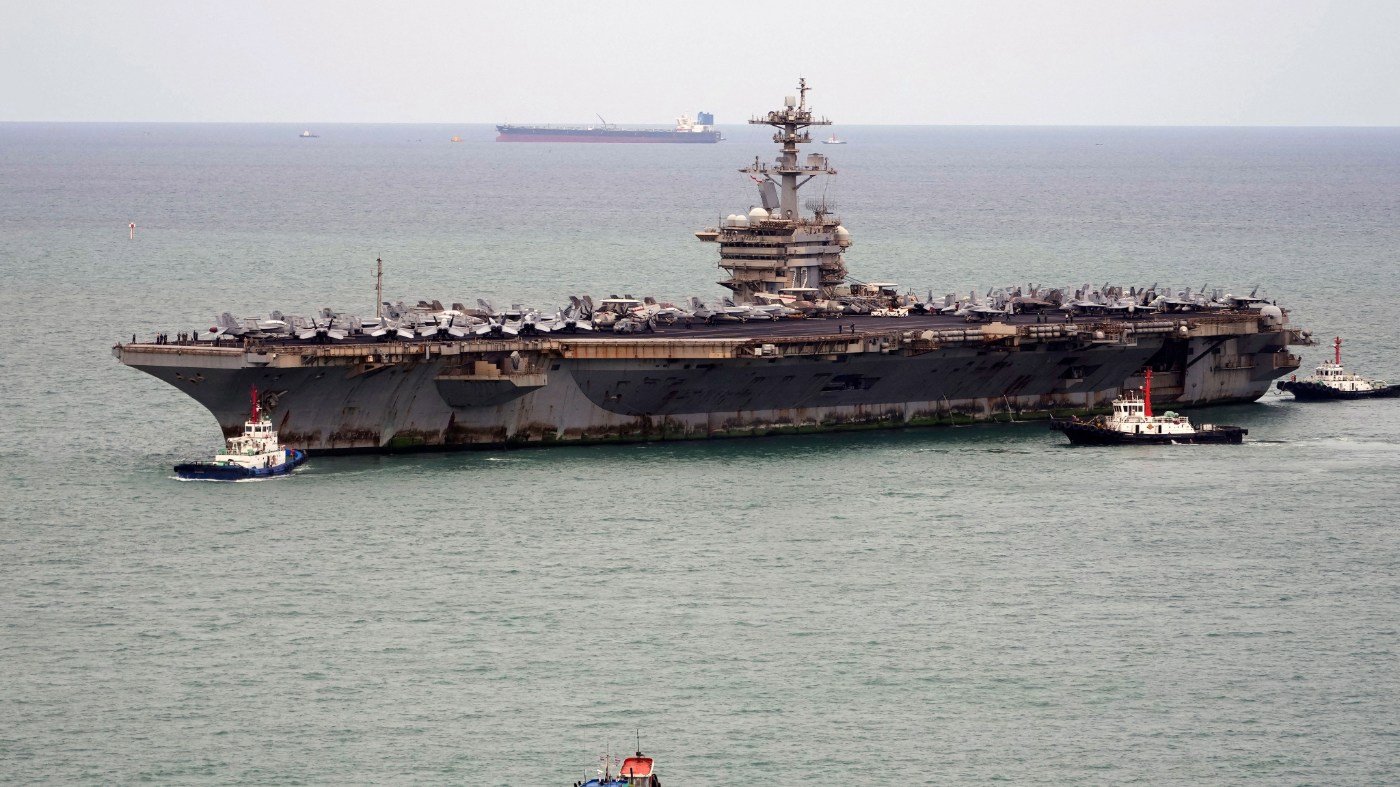
The incident marks a sharp escalation in the ongoing back-and-forth military exchanges between Washington and Tehran, even as both sides have nominally observed a ceasefire since April. The war has now stretched beyond 100 days, yet Trump has repeatedly signaled that a final deal to end hostilities could be finalized within days.
U.S. Central Command confirmed that the AH-64 Apache went down Monday evening near the coast of Oman. American forces rescued both crew members within two hours, and they were reported in stable condition. The military did not specify the cause of the crash, but Trump’s direct accusation points to an intentional attack.
Iran’s parliamentary speaker, Mohammad-Bagher Ghalibaf, issued a stark warning on X, saying, “We prefer the language of diplomacy, but we speak other languages far more fluently. Break your commitments, and we’ll switch to what we speak best. You ride the horse you saddled!” The statement underscores Tehran’s readiness to escalate further.
Trump told the New York Post last week that he would terminate the ceasefire if Iran killed any American troops. Analysts see the president’s latest rhetoric as a calculated move to show strength while still aiming for a negotiated settlement. The core U.S. objective is to reopen the Strait of Hormuz, which Iran effectively closed in late February following U.S. and Israeli strikes, sending oil prices soaring.
Any potential deal would also commit both nations to negotiations over Iran’s nuclear program. Tehran insists on retaining the right to enrich uranium for civilian energy, but the Trump administration and Israel fear that capability could be weaponized. The broader diplomatic push comes as Trump faces domestic pressures, including a journalist's legal challenge and ongoing debates over immigration funding.
The downing of the Apache adds a volatile new element to an already fragile situation. With both sides trading threats while pursuing talks, the coming days will test whether Trump can deliver on his promise of a swift end to the conflict—or if the region is sliding toward open war once again.