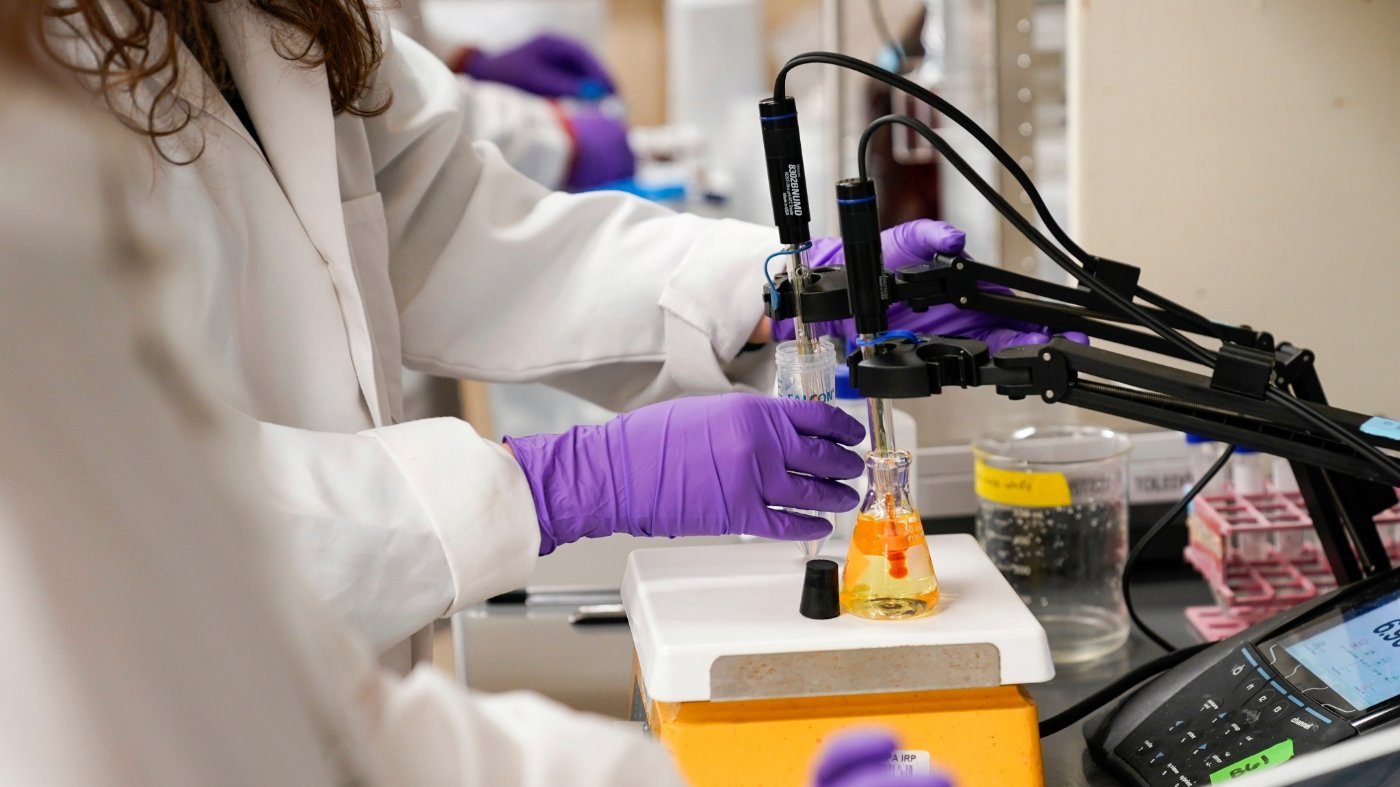
The Trump administration is moving to give water utilities more time to comply with federal limits on toxic PFAS chemicals, proposing a system of exemptions that could push the compliance deadline to 2031 for some systems. The plan, announced Monday by the Environmental Protection Agency, would allow companies to apply for case-by-case extensions from the current 2029 deadline, potentially leaving some communities with contaminated drinking water for an additional two years.
Under the Biden-era rules, water systems are required to filter out at least some of these persistent pollutants—known as “forever chemicals” because they do not break down in the environment—by 2029. The new proposal would let systems seek waivers, though an EPA official told reporters that facilities with high contamination levels would still need to take interim steps to reduce exposure. The official declined to estimate how many applicants would likely receive extensions.
Beyond the timeline changes, the EPA is also proposing to rescind regulations on four of the six types of PFAS covered under the previous administration’s rules. The agency said it would evaluate those four chemicals later for potential drinking water standards, but offered no specific timeline. Environmental and public health advocates are expected to condemn the move as a significant rollback of protections, even as the delay is less sweeping than what the administration had floated last year, when it signaled a blanket two-year postponement for all water systems.
PFAS chemicals have been linked to kidney and testicular cancer, as well as fertility problems and immune system issues. They have leached into groundwater across the United States, contaminating a large share of the nation’s drinking water supplies. The proposed changes come as the administration faces mounting pressure from industry groups arguing that compliance costs are too high, while health experts warn that any delay increases public risk.
This regulatory shift is part of a broader pattern of the Trump administration revisiting environmental rules from the Biden era. The move also comes amid other high-stakes policy debates, including a $1.8 billion fund created by the DOJ to address claims of weaponized government actions and a Brookings report documenting over 145,000 U.S. citizen children separated from parents during the Trump immigration crackdown.
Critics argue the EPA’s proposal prioritizes industry convenience over public health, while supporters say it gives utilities necessary flexibility to meet complex treatment requirements. The agency will accept public comment before finalizing any changes, setting up a likely legal battle with environmental groups.
The administration’s approach to PFAS regulation reflects a broader tension between economic concerns and environmental protection, a dynamic also visible in other arenas such as Senator Graham urging a harder line on Iran as nuclear talks stall. For now, communities across the country face uncertainty about when—or if—their drinking water will be free of these toxic compounds.