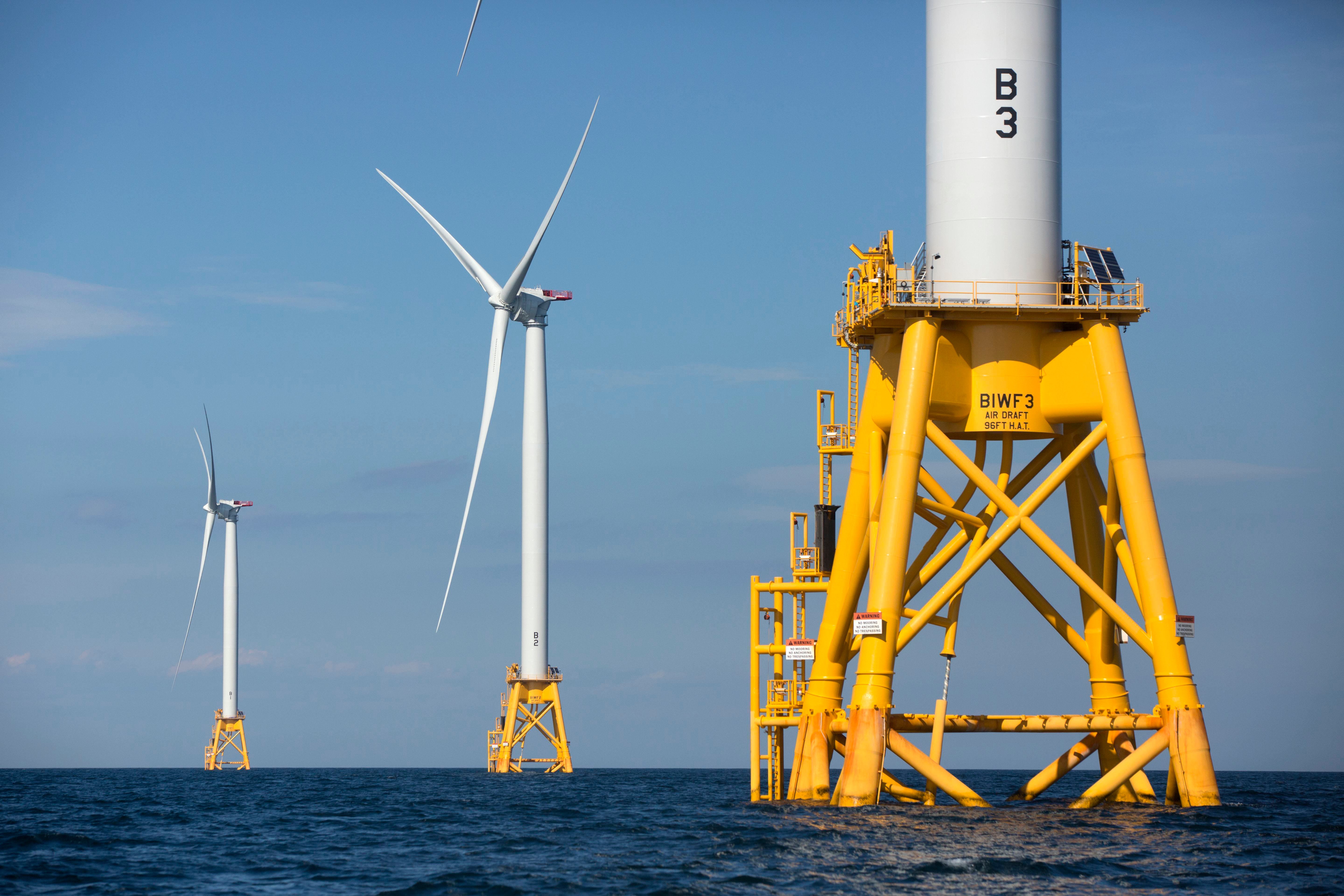
The Trump administration has struck another deal to phase out offshore wind development, paying Invenergy affiliates $765 million to relinquish four leases off the coasts of New York, California, and Maine. The Interior Department announced Wednesday that the funds will be redirected toward natural gas and geothermal projects, marking the latest move in President Trump's broader campaign to curb wind energy and bolster fossil fuels.
Interior Secretary Doug Burgum framed the settlement as a win for energy reliability, stating, "Under President Trump, companies are shifting investment back toward dependable, secure energy infrastructure that can power our economy and lower utility costs." He added, "We applaud Invenergy for recognizing the importance of baseload power and investing in energy solutions that deliver real benefits to American consumers."
Invenergy, a major energy developer, will use the returned money to build gas-fired power plants in Indiana, Wisconsin, Iowa, Kansas, and Missouri, as well as geothermal projects in the Western U.S. While natural gas is a fossil fuel that contributes to climate change, geothermal power—which taps heat from beneath the Earth's surface—has a relatively low carbon footprint.
This agreement follows similar payouts in recent weeks to other companies holding offshore wind leases, part of a pattern that critics call a misuse of taxpayer funds. The administration's push to dismantle offshore wind aligns with Trump's longstanding skepticism of renewable energy, which he has argued is unreliable and costly.
Daniel Runyan, Invenergy's senior vice president for development, said in a statement, "We will deploy additional capital into projects that can be delivered on a commercially reasonable timeline and meet customer demand while continuing to evaluate opportunities as market conditions evolve."
Democratic Rep. Jared Huffman of California, the ranking member on the House Natural Resources Committee, condemned the deal as both illegal and fiscally irresponsible. "Donald Trump is using your tax dollars to make America more dependent on dirty, volatile fossil fuels," Huffman said. "He is paying energy companies to kill homegrown offshore wind that will put electricity on the grid, lower energy bills, and create good jobs, and he is funneling that money straight back to fossil fuel, leaving families at the mercy of every price spike and global shock."
Huffman's criticism echoes broader concerns from Democrats and environmental advocates, who warn that such settlements undermine U.S. climate goals and energy independence. The administration's approach has drawn scrutiny, especially as inflation and energy prices remain key political issues.
Meanwhile, the Trump administration has faced similar backlash over other controversial energy and foreign policy moves, including defending Iran's retention of ballistic missiles in a recent Strait deal. The Invenergy settlement adds to a growing list of actions that critics argue prioritize fossil fuel interests over renewable alternatives.
The Interior Department has not disclosed the total sum paid out across all wind lease cancellations, but the $765 million figure for Invenergy alone underscores the scale of the administration's effort. With the 2024 election cycle heating up, the debate over energy policy is likely to intensify, as both parties vie to define their vision for America's power grid.