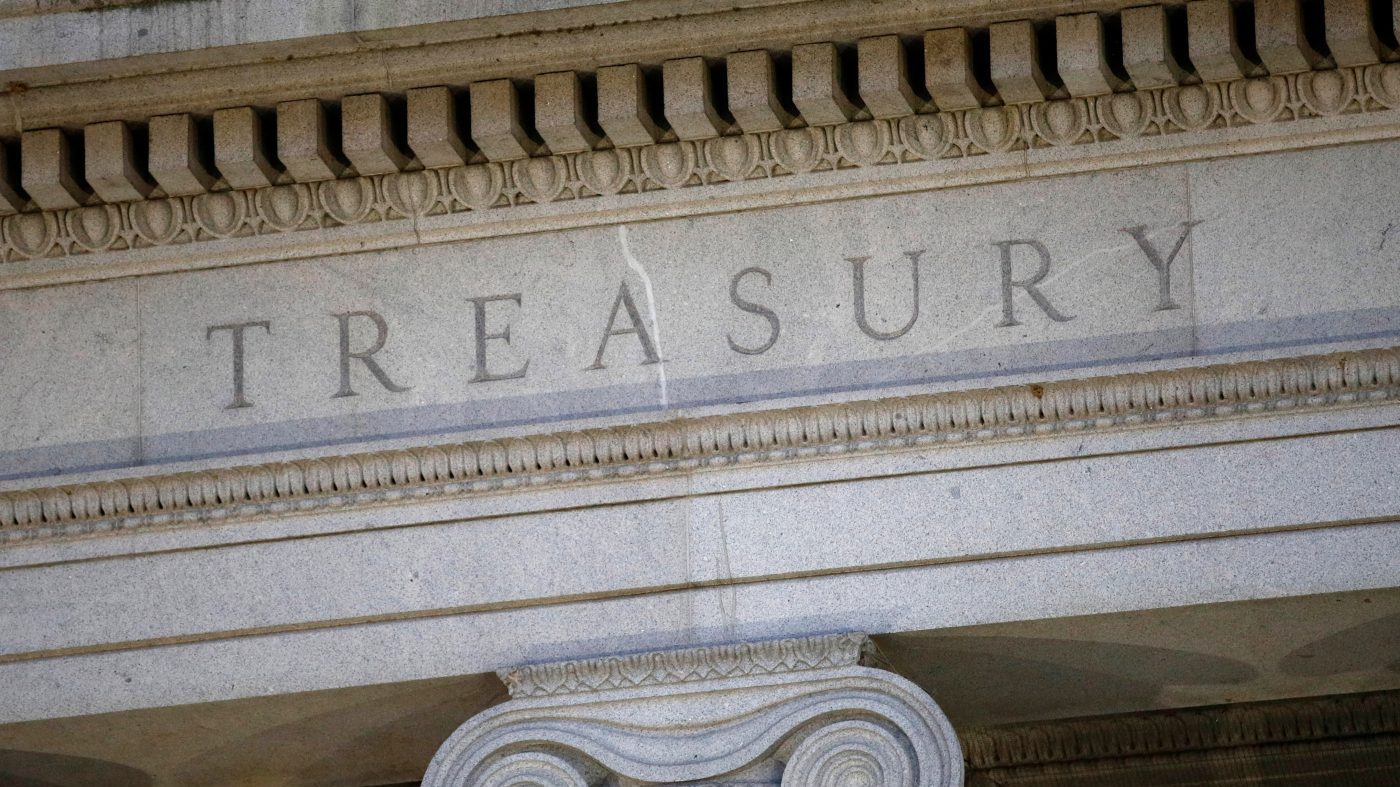
The Treasury Department announced Tuesday that its revamped payment verification system has intercepted roughly $99 million in federal payments intended for people who have died. The department screened over 885 million payments totaling nearly $2.77 trillion, identifying approximately 4,900 transactions tied to deceased payees.
Those flagged payments were returned to the originating federal agencies for review before any funds were disbursed, Treasury officials confirmed. The effort is part of a broader push by the Trump administration to curb improper payments and fraud across the federal government.
Treasury Secretary Scott Bessent framed the announcement as a fulfillment of a key promise under President Trump’s mandate. “Treasury has delivered on a key promise of President Trump’s mandate to stop improper payments and fraud before money leaves the Treasury, and strengthen the integrity of the federal payment system,” Bessent said in a statement.
The expanded verification process stems from Trump’s March 2025 executive order, which directed agencies to step up efforts to detect and prevent improper payments. The order was part of a broader agenda that included Elon Musk’s short-lived Department of Government Efficiency, or DOGE, which ultimately fell far short of its ambitious federal spending reduction targets.
In February, Congress passed the bipartisan Ending Improper Payments to Deceased People Act, which gave the Treasury permanent access to the Social Security Administration’s Full Death Master File. That law replaced a temporary three-year pilot program that began in 2021, during which the Treasury projected roughly $330 million in net benefits from 2024 to 2026 from reducing such improper payments.
The administration has made fraud detection a central focus, with similar efforts targeting other areas. For instance, the Treasury has also been involved in withholding $1 billion in Medicaid payments to California and Minnesota over fraud allegations. Meanwhile, Treasury Secretary Bessent has also threatened sanctions over Chinese theft of AI models, highlighting the department’s broader role in national security and economic integrity.
The new payment verification system is a direct outcome of the executive order and the bipartisan legislation, which together aim to close loopholes that previously allowed payments to flow to deceased individuals. The Treasury’s announcement underscores a growing emphasis on pre-payment checks rather than post-hoc recovery, a shift that officials say could save billions over time.
Critics, however, have questioned the scale of the problem relative to the cost of implementing such systems. The $99 million flagged represents a fraction of the trillions in payments processed, but the administration argues that even small percentages translate into significant taxpayer savings. The program’s success will likely be measured by its ability to reduce the estimated $330 million in projected losses from improper payments to deceased individuals over the next several years.
As the administration continues to prioritize fraud prevention, the Treasury’s new screening process is expected to expand to other categories of improper payments, building on the momentum from the pilot program and the bipartisan law. The department has not yet released a timeline for further expansions, but the Tuesday announcement signals a sustained commitment to tightening the federal payment system.