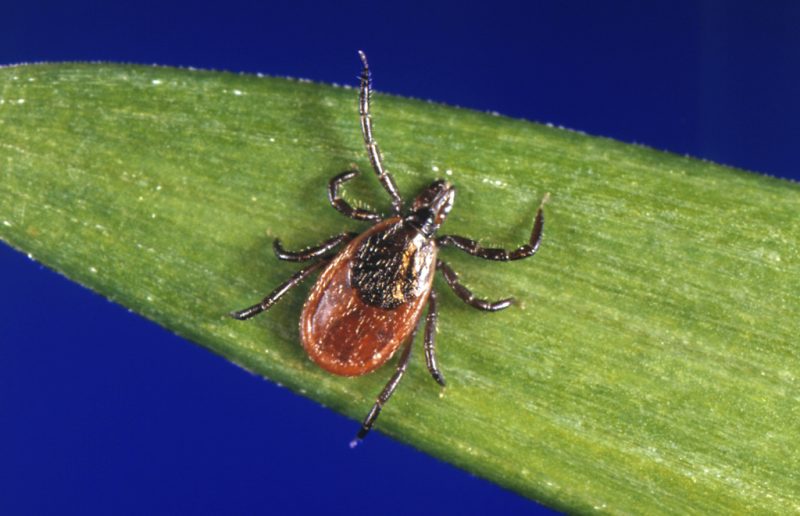
New data from the Centers for Disease Control and Prevention reveals tick activity in the United States has surged to levels not seen in nearly a decade, with emergency department visits for tick bites hitting a record high for April. The latest figures, updated Sunday, show 105 of every 100,000 emergency visits last month were tick-bite related—the highest rate since at least 2017, when the agency’s publicly available data begins.
The CDC had earlier warned that tick bites were climbing, and experts now say the country may be in for “a very bad year” for the pests. March also saw a sharp increase, with 34 bites per 100,000 visits, compared to 20 per 100,000 in March 2017.

Which States Are Worst Hit?
While the CDC data does not break down tick bite rates by state, regional patterns emerge from earlier reports and expert warnings. States in the Northeast and Upper Midwest, including Pennsylvania, New York, Wisconsin, and Minnesota, have historically seen the highest incidence of tick-borne diseases like Lyme disease. This year, those areas are reporting elevated activity, with some experts pointing to a mild winter and early spring as factors that boosted tick survival and reproduction.
“We’re seeing ticks emerge earlier and in larger numbers than we have in years,” said Dr. Rebecca Smith, an entomologist at the University of Illinois. “The data from emergency rooms confirms what many of us feared: this could be a banner year for tick encounters.”
In a related development, the groceries hit with steepest price jump in years underscores how broader economic pressures are compounding public health concerns, as families face higher costs for both food and medical care.
Public Health Implications
The surge in tick bites carries significant public health implications, as ticks can transmit Lyme disease, anaplasmosis, babesiosis, and other pathogens. The CDC estimates that approximately 476,000 Americans are diagnosed and treated for Lyme disease each year, and the current spike could push that number higher.
“Emergency departments are on the front line,” said Dr. Thomas Murray, an infectious disease specialist at Yale New Haven Hospital. “A bite doesn’t always mean infection, but the anxiety and need for preventive antibiotics drive many visits. The volume we’re seeing now is unprecedented in recent memory.”
The rise in tick activity comes as the nation grapples with other health challenges. For instance, a bipartisan coalition of over 30 states is demanding a court break up Live Nation-Ticketmaster, highlighting how state governments are increasingly active in consumer protection across multiple sectors.
What Experts Recommend
Health officials urge people spending time outdoors to use EPA-approved insect repellents, wear long sleeves and pants, and perform thorough tick checks after being in wooded or grassy areas. The CDC also recommends treating clothing and gear with permethrin and showering within two hours of coming indoors.
“Prevention is key,” Smith added. “We’re not just talking about a nuisance. We’re talking about a real risk of disease that can have long-term consequences.”
Meanwhile, the broader political landscape continues to shift. Recent polling shows Trump disapproval hits 58.3%, worst since Jan. 6 as Iran war weighs, a reminder that public attention is divided between domestic public health issues and foreign policy crises.
As summer approaches and outdoor activity increases, the CDC and state health departments are ramping up surveillance and public awareness campaigns. Whether this year’s tick surge will translate into a record number of Lyme disease cases remains to be seen, but early indicators are troubling.