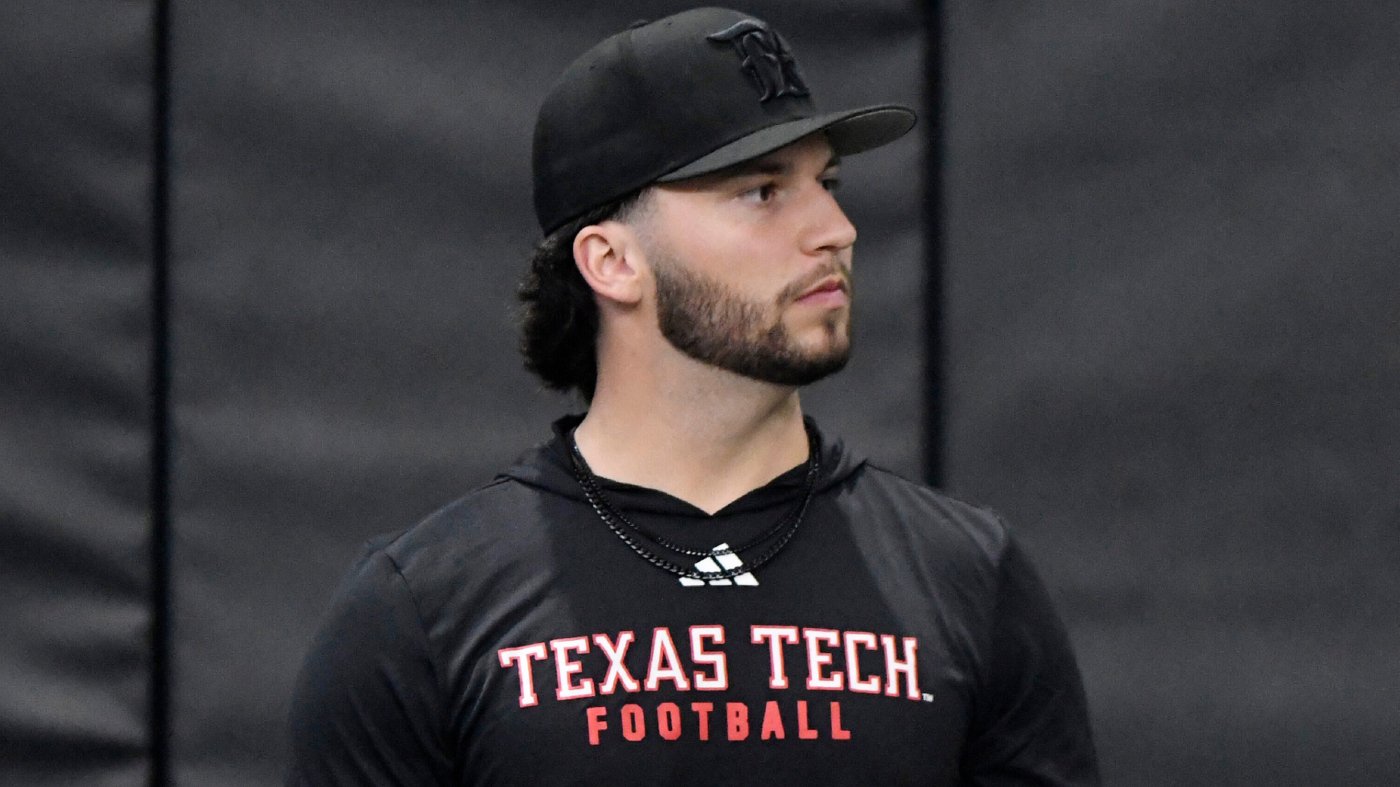
Texas Tech University is standing firmly behind quarterback Brendan Sorsby as he battles the NCAA for a chance to return to the field this fall after completing inpatient treatment for gambling addiction.
Sorsby, who sought help for a diagnosed gambling disorder and anxiety, admitted to placing bets on sports—including on his own team during his freshman year at Indiana. The NCAA recently rejected his petition for reinstatement, a decision the Lubbock school plans to appeal.
In a letter to the campus community, Texas Tech President Lawrence Schovanec argued that the NCAA's rules have not kept pace with the explosion of legalized sports betting. “We believe that given the facts and the context of Brendan’s case, the NCAA’s ruling should be reversed or modified,” Schovanec wrote. “As a generation of college athletes face the legalization and rapid proliferation of sports betting in our country, gambling addiction is rising to the point of epidemic among college aged men in particular.”
The NCAA, however, defended its stance. In a statement, the organization said its sports betting rules are “clear, as are the reinstatement conditions.” It added: “When it comes to betting on one’s own team, these rules must be enforced in every case for the simple reason that the integrity of the game is at risk. Every sports league has these protections in place, and the NCAA will continue to apply them equally because every student-athlete competing deserves to know they’re playing a fair game.”
Sorsby’s case has become a flashpoint in the broader debate over college athletics, particularly as the NCAA grapples with the transfer portal, player compensation, and competitive balance. Last fall, two-thirds of Division I schools voted to scrap a previously approved rule that would have allowed athletes and staff to bet on professional sports.
The quarterback, who was poised to earn millions in name, image, and likeness endorsements with the Red Raiders, acknowledged that during his first year at Indiana, he wagered between $5 and $50 on Hoosiers football games and made prop bets on teammates to exceed statistical predictions. He did not bet on the one game in which he played.
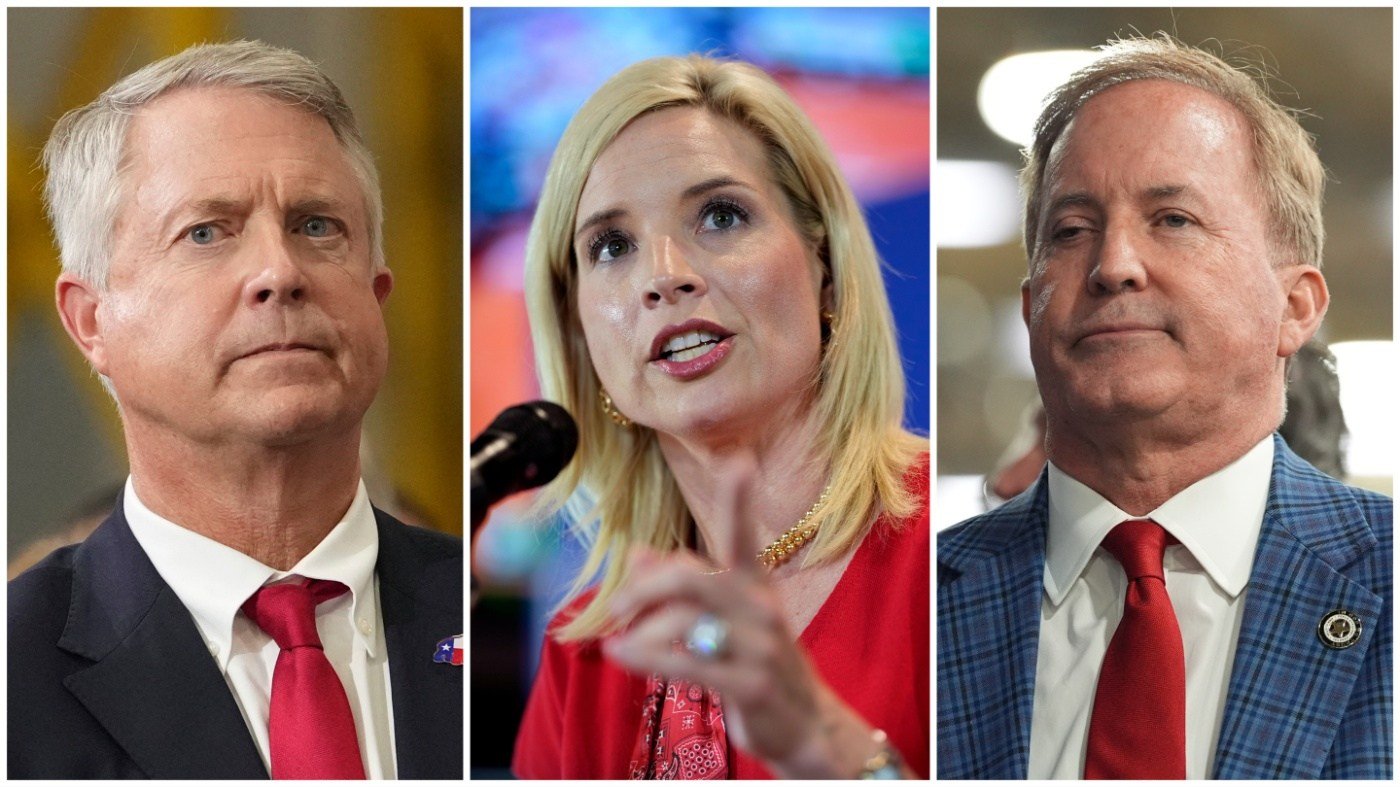
Lawmakers on Capitol Hill have also raised alarms about the prevalence of gambling on college and pro sports, as well as the rise of unregulated prediction markets. This issue resonates deeply in Texas, where the ongoing political dynamics—such as the GOP rift in the Senate primary and the bitter runoff between Paxton and Cornyn—highlight the state's complex political landscape.
Schovanec emphasized the university’s commitment to integrity. “As more and more young people face the pressures of gambling, the integrity of sports will continue to face greater risk,” he wrote. “Our commitment to the integrity of the game will remain steadfast as we navigate these uncharted waters.”
The Associated Press contributed to this report.