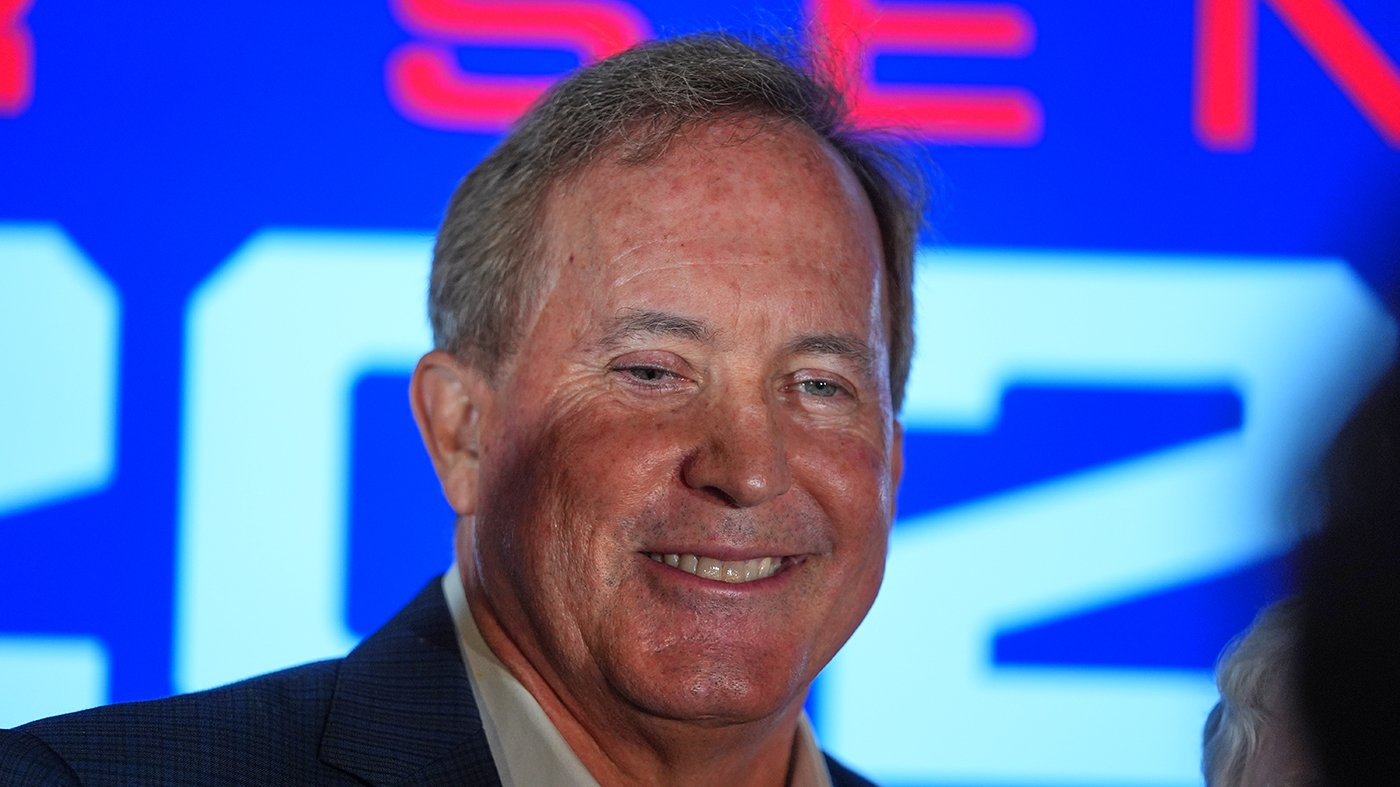
Texas Attorney General Ken Paxton decisively defeated incumbent Sen. John Cornyn in Tuesday's Republican Senate runoff, handing President Donald Trump another scalp in his campaign against GOP detractors. With over 95% of votes counted early Wednesday, Paxton captured about 64% support, according to Decision Desk HQ, in a race that exposed deep fractures within the party.
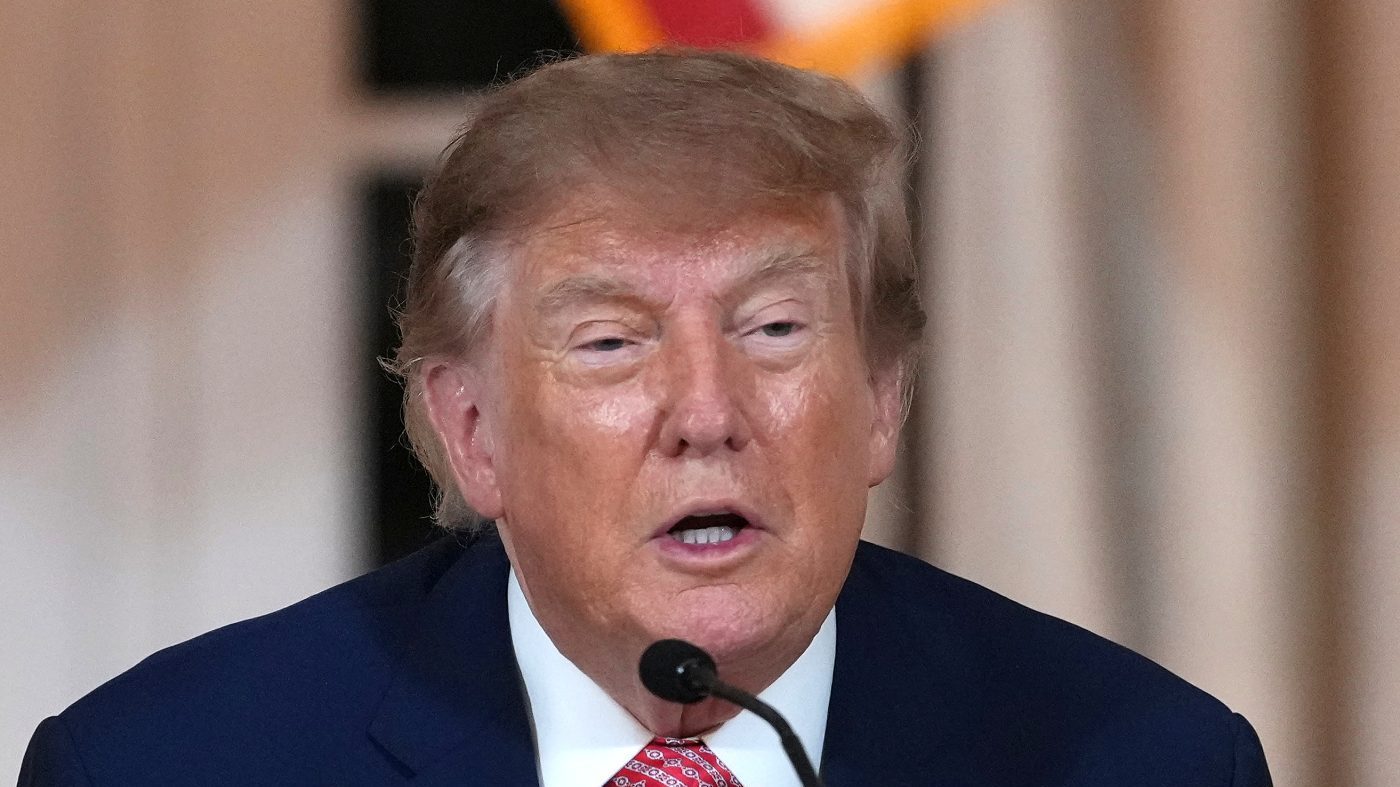
Trump's late endorsement of Paxton proved decisive, as the attorney general—despite his own legal controversies—rode a wave of populist anger to oust a three-term senator. Cornyn had sought to highlight his alignment with the president on key votes, but Trump aired old grievances, calling the senator “a good man” who “was not supportive of me when times were tough.” The victory follows similar Trump-backed takedowns of Sen. Bill Cassidy in Louisiana and Rep. Thomas Massie in Kentucky.

While Trump celebrated another good night, the win carries risks for Republicans. The nonpartisan Cook Political Report shifted its rating of the Texas Senate race toward Democrats, though the GOP remains favored in November. Democrats see an opening with Paxton, who faces his own legal battles, as the nominee. Senate Democratic Leader Chuck Schumer and DSCC Chair Kirsten Gillibrand declared in a joint statement, “While Republicans are facing their nightmare scenario, tonight Democrats are one step closer to winning a Senate majority.”
Paxton's victory speech struck a defiant tone, praising Trump as “a leader of our party” and calling his endorsement “the most powerful force in politics.” The race now sets up a general election battle against Democratic nominee Mike Talarico, who will seek to capitalize on Paxton's vulnerabilities. The shift in the race's competitiveness could divert resources from other key Senate contests nationwide.
Beyond the Senate race, Tuesday's runoffs settled several intraparty fights sparked by GOP-led redistricting. In the Houston area, first-term Rep. Christian Menefee defeated longtime Rep. Al Green in a newly drawn district, a race that became a proxy war over generational change. Menefee, 38, argued the contest was about “effectiveness,” while Green, 78, leaned on experience. Menefee's win signals a shift in Houston's Democratic representation.
In Dallas, former Rep. Colin Allred defeated his successor, Rep. Julie Johnson, to reclaim a House seat. The heated primary focused on immigration and stock trades, with Allred attacking Johnson over Palantir investments while Johnson criticized Allred's past votes. Allred's return to Congress makes him the second former lawmaker to win a comeback this cycle, after Melissa Bean in Illinois.
Trump's influence extended to other down-ballot races. In the Houston-area 9th District, his endorsed candidate Alex Mealer defeated state Rep. Briscoe Cain. Mortgage banker Jon Bonck, another Trump pick, won in the 38th District. Air Force veteran Carlos De La Cruz, endorsed by Trump, beat state Rep. John Lujan in the San Antonio-area 35th District. And in the attorney general race, state Sen. Mayes Middleton defeated Rep. Chip Roy, a frequent Trump critic. Middleton's win bolsters Trump's influence in Texas, while Roy's likely replacement in Congress is Trump-endorsed former baseball star Mark Teixeira.
Cornyn, for his part, has pledged to support the GOP ticket in November, but the primary fight has left lasting scars. Cornyn's backing of the ticket may not fully heal divisions as the party heads into a general election that suddenly looks more competitive than expected.