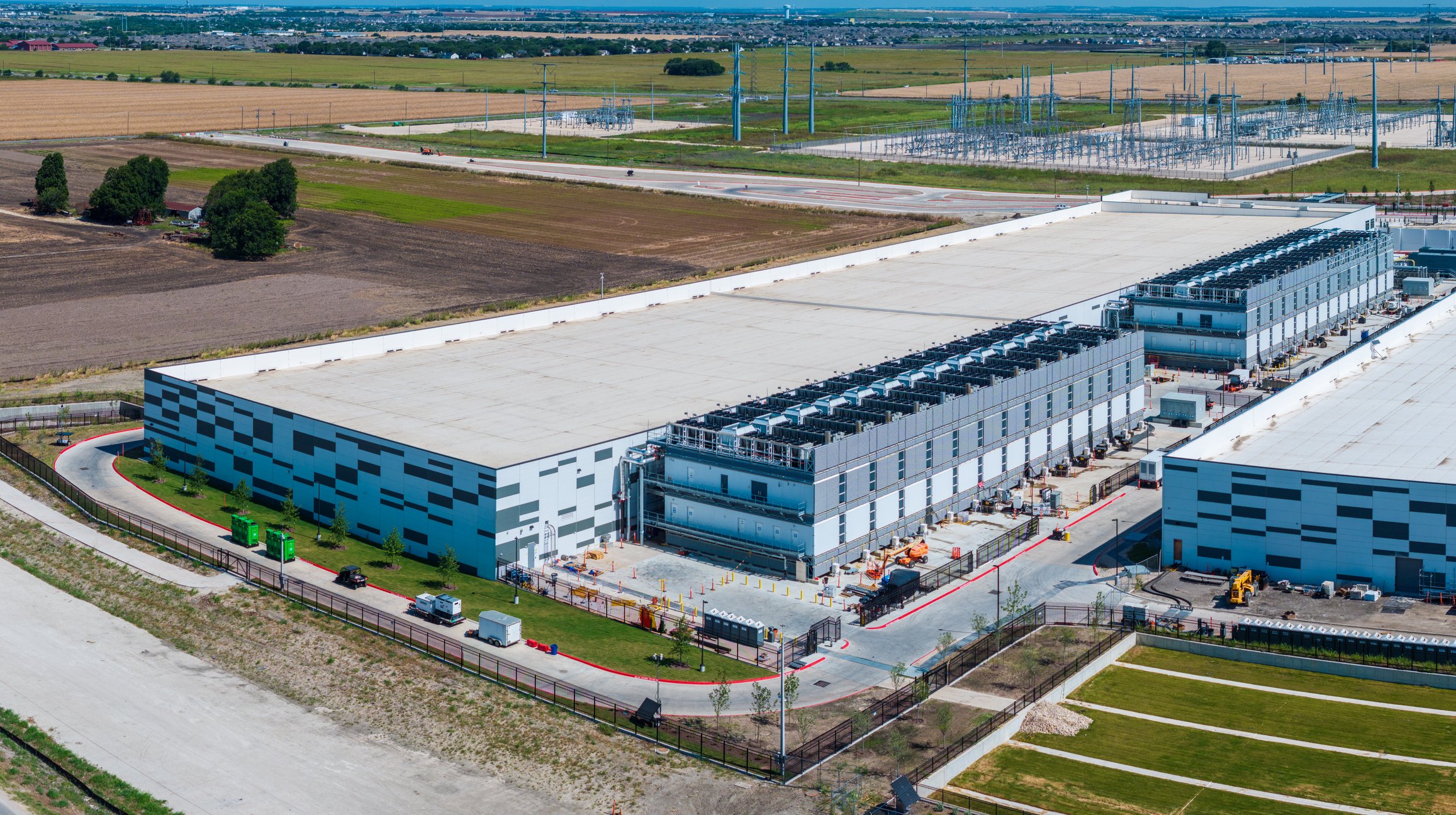
AUSTIN — The race for a Texas U.S. Senate seat is heating up over artificial intelligence, with both major-party candidates now demanding guardrails after OpenAI reported that one of its models may have breached another AI firm’s systems during a security test.
Democratic candidate James Talarico said Wednesday the state must balance tech innovation with protections for working families. “I think we have to strike a balance between being a leader in technology and innovation as our state has always been and protecting working people from the harms of these data centers,” Talarico said.
His Republican opponent, Attorney General Ken Paxton, echoed the need for oversight. “I want technological innovation. I want companies to be successful. I want them to come to Texas and provide jobs and create wealth opportunities for the entire state,” Paxton said on the podcast It’s A Numbers Game. “We have to compete against China; we have to go forward with AI, but we do need to make sure that people are protected from the downsides as best we can do that.”
PUC Moves to Rein In Data Center Costs
The Public Utility Commission of Texas filed a memo to Governor Greg Abbott outlining steps to shield ratepayers from rising electricity costs tied to data centers. The commission also detailed projects and needs for the 2027 legislative session, per Abbott’s request.
State Senator Charles Perry, a Lubbock Republican, predicted a flood of bills: “There’ll probably be 181 members that will file 181 best practices bills for data centers. The PUC has over 200 data center applications, the bulk of them will never see the light of day.”
PUC Chairman Thomas Gleeson said in the letter he agrees the state should prioritize grid affordability and reliability. The commission already requires large new loads like data centers to supply their own power, and is pushing for upfront interconnection fees. It also asked lawmakers to clarify its regulatory authority and to add data centers to the Lone Star Infrastructure Protection Act, which guards against foreign threats.
Hinojosa Demands Moratorium; Abbott Shifts Stance
Democratic gubernatorial candidate Gina Hinojosa called on Abbott Wednesday to use his executive power to halt new data center development until the Legislature passes statewide rules. “I am calling on Greg Abbott to issue a moratorium on any new data centers with an emergency executive order,” she said.
Hinojosa, a former state representative, said rural Texans are worried about the rapid expansion. She wants a pause until lawmakers establish requirements for transparency, local input, licensed labor, and protections for water and electricity. Some state leaders have actively promoted Texas as an AI hub, but that push has spurred bipartisan calls for tighter oversight.
Abbott, who once supported data center growth, has recently shifted. Last month, he proposed curbing new AI data centers in rural neighborhoods while allowing expansion elsewhere under stricter rules. He also wants to eliminate certain tax incentives and require data centers to pay for their own infrastructure, generate their own power, reuse water, and lower electricity costs for Texans.
Texas Medical Association Targets Prediction Market Apps
Separately, the Texas Medical Association is urging lawmakers to regulate prediction market apps, which they warn could undermine public health. The group’s call adds to a growing list of legislative priorities as the state grapples with the downstream effects of rapid tech expansion.
With the 2027 session still years away, the PUC’s memo signals that administrative action may precede legislative fixes. But as candidates and regulators jockey for position, the debate over AI and data center guardrails is only intensifying.