Tempe, Ariz., Mayor Corey Woods on Thursday defended his decision to terminate the city police department's $80,000 contract with Flock Safety, a leading automated license plate reader company, amid growing reports of misuse across the country.
"The concern that we had was just that the potential for misuse was too great," Woods, a Democrat, told NewsNation's Blake Burman. "In order to make sure that we're not only just being directly upfront with our residents, our main goal was to provide public safety, but also make sure that we're protecting public trust. And we understood that the longer this kept going on, we were going to see an erosion in public trust from the people who live, work and play in the city of Tempe."

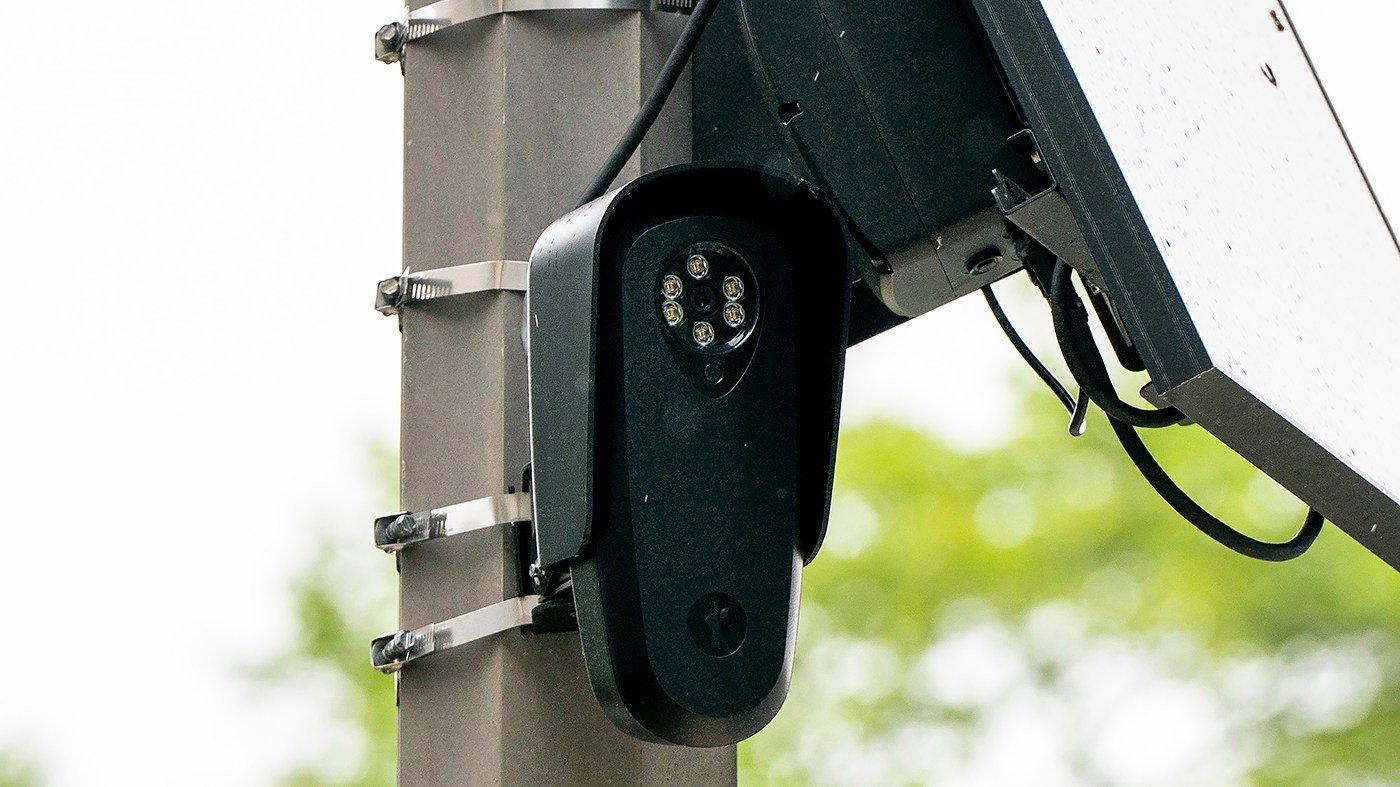
Although Woods acknowledged that no Tempe officers had been found to misuse Flock camera data, he pointed to troubling reports from other police departments. Earlier this month, The Washington Post uncovered 50 instances of officers abusing Flock's roadside camera network to spy on individuals, including a Georgia officer who searched his ex-girlfriend's plates over 500 times.
The decision to switch off the cameras, which took effect Wednesday morning, was backed by an "overwhelming majority" of Tempe residents, Woods said. Still, he added, "I did get a smattering of other folks who reached out and said, 'Hey, I think these were good tools for law enforcement, and I wish you could have just come up with some safeguards to have protected residents' privacy as opposed to doing away with the entire system.'"
Flock Safety has responded to the backlash by introducing new privacy measures, such as cutting the default video retention period from 30 days to seven days, enhancing detection of suspicious searches, and boosting transparency about its products. These changes come as privacy lawsuits mount against the company.
A Flock spokesperson told The Hill on Friday that the company respects Tempe's decision. "Flock has built the most accountable tool in police technology, and our technology gives communities control over how their systems are used, including the ability to adopt shorter data retention periods, strong access and auditing policies, and safeguards specifically designed to catch potential misuse," the spokesperson said. "We believe Tempe could have preserved the system's value in helping solve serious crimes while still respecting privacy, and taking that tool away does not make a community safer."
The controversy has also drawn attention on Capitol Hill. Sen. Josh Hawley (R-Mo.), chair of the Senate Judiciary Subcommittee on Crime and Counterterrorism, this week launched an investigation into Flock's network of more than 120,000 cameras across 49 states, which he described as an "unprecedented national surveillance network." In a letter to CEO Garrett Langley, Hawley demanded an explanation of the company's data safeguards.
"Congress never authorized the network your industry has built," Hawley wrote. "Your company's internal policies are, in practice, the only safeguards for hundreds of millions of Americans. People across the country are now discovering that fact and demanding answers from their elected officials."
Hawley's probe adds to the growing privacy backlash over Flock's rapid expansion, which has seen its cameras appear in communities nationwide. The Tempe cancellation is one of the most high-profile reversals yet, signaling that local governments are beginning to weigh the benefits of surveillance technology against the risks to civil liberties.
Woods framed the move as a necessary step to preserve public confidence. "We understood that the longer this kept going on, we were going to see an erosion in public trust," he said, emphasizing that protecting residents' privacy is integral to public safety.