In 1982, the Supreme Court issued a landmark ruling in Plyler v. Doe, establishing that all children in the United States have the right to a public education from kindergarten through 12th grade, irrespective of their immigration status. The court reasoned that children should not be penalized for circumstances beyond their control. That principle has stood for over four decades—but it is now under a direct and organized assault.
Conservative groups including the Heritage Foundation, which helped shape the policy blueprint known as Project 2025, along with White House Deputy Chief of Staff for Policy Stephen Miller, the Federation for American Immigration Reform, and elected officials like Texas Governor Greg Abbott (R), have pushed to overturn or weaken the ruling. Legislators in several states have introduced measures aimed at eroding what has long been settled law.
On March 18, the House Judiciary Subcommittee on the Constitution and Limited Government held a hearing titled “Immigration Policy by Court Order: The Adverse Effects of Plyler v. Doe.” The ruling was characterized as “judicial overreach.” But as one retired educator argues, denying children an education is not a constitutional correction—it is a moral regression.
Lorry MacPherson, a retired New York State public school teacher with over 30 years of experience in early childhood and special education, writes that educators, civil rights organizations, and legal advocates have defended Plyler because they understand the stakes. “They have seen, as we have, the difference between a child who is given access to learning and one who is systematically excluded from it,” she says.
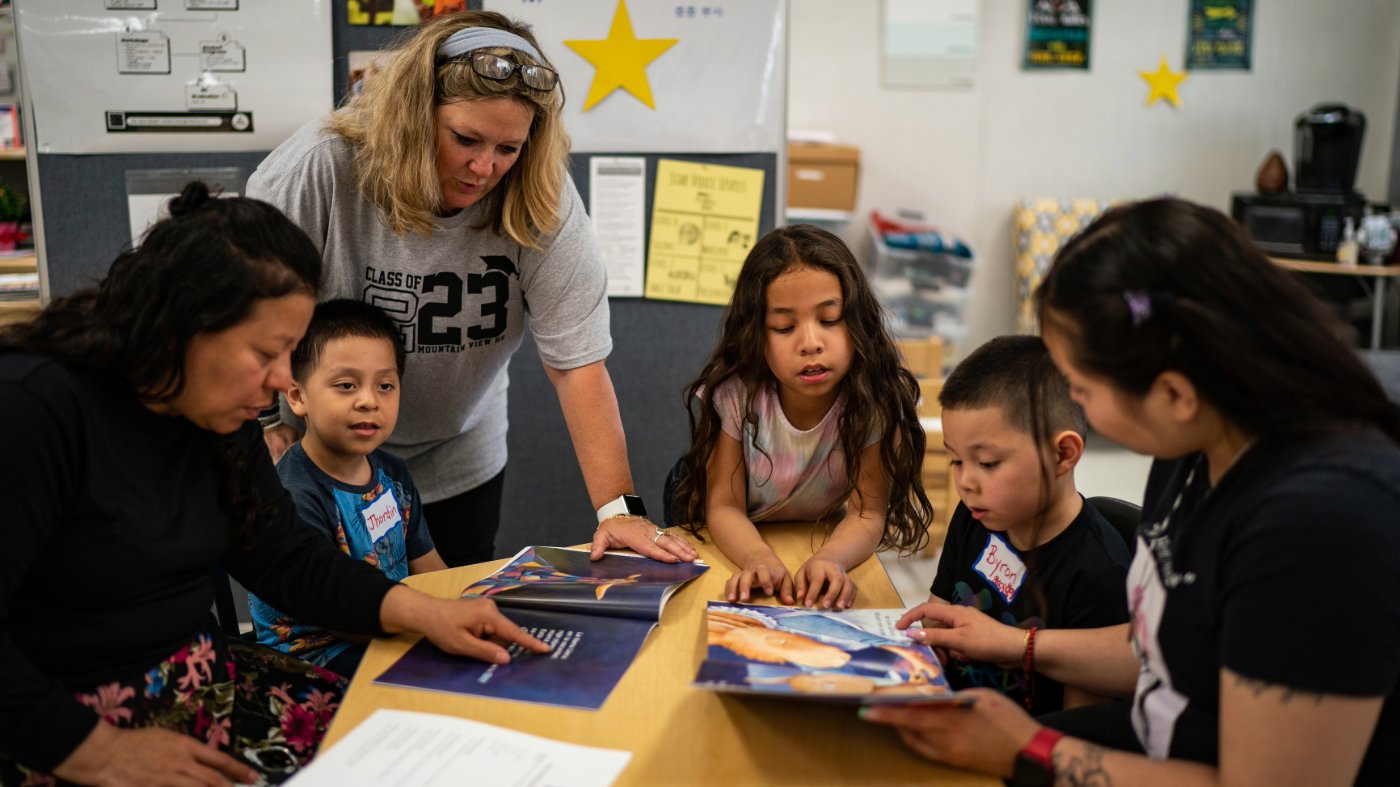
MacPherson, who taught from pre-K to high school special education and ended her career in a kindergarten classroom, emphasizes that education is not a budget line item. “It is the dividing line between opportunity and exclusion,” she writes. She recalls teaching children who arrived with little English and uncertain footing, only to thrive within months with structure and support. “That transformation is not theoretical. It is what public education does when it is allowed to function as intended,” she adds.
Opponents of Plyler frame the fight as a matter of fiscal responsibility. But MacPherson counters that the true cost is creating a permanent underclass of young people denied the tools to participate fully in society. The consequences, she warns, will ripple through strained public systems, reduced workforce participation, and diminished economic mobility. There is also a deeper cost: “When a society decides that some children are not worth educating, it erodes the very idea of equal protection under the law.”
This is not policy refinement, MacPherson argues. It is exclusion rooted in fear and sustained by a political class willing to scapegoat the most vulnerable. The Supreme Court understood this in 1982. That understanding should not be discarded now. “If we allow this effort to succeed, we will not only fail children. We will diminish ourselves,” she concludes.
As the political battle over Plyler intensifies, other education-related developments are also making news. The arrest of a North Carolina teacher after drugs and weapons were found on campus highlights ongoing security concerns in schools. Meanwhile, Education Secretary McMahon defended Trump's proposed education budget cuts in a Senate hearing, sparking debate over federal funding priorities. And a recent poll shows overwhelming public demand for AI education in colleges as the workforce transforms.