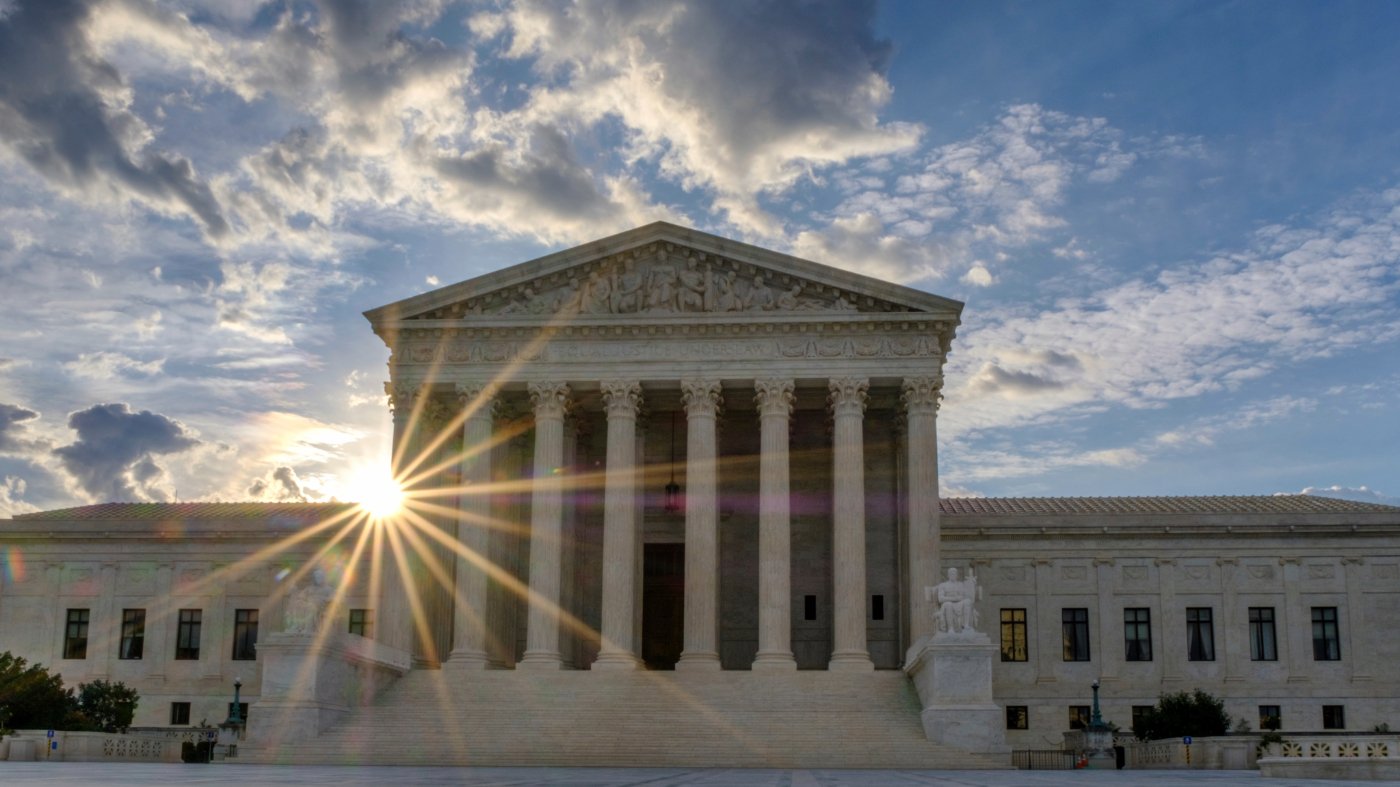
The Supreme Court's recent decisions on congressional redistricting in Alabama and Virginia have sparked accusations of partisan bias, but a closer look reveals fundamentally different legal questions at play.
In Alabama, the Court last week allowed the state's 2023 congressional map to be used in the upcoming midterm elections, staying a lower court order that had blocked it. This came after the Court's ruling in Louisiana v. Callais, which established that race-based gerrymandering itself constitutes racial discrimination. Alabama's map, passed through standard legislative procedures and signed by the governor, is now back in effect for 2026 while lower courts weigh its constitutionality. The stay is procedural, not a final judgment.

In contrast, the Court declined to intervene in Virginia's redistricting dispute, leaving in place a state supreme court decision that struck down a heavily gerrymandered map favoring Democrats. The Virginia court found that Democratic lawmakers had violated the state's constitutional amendment process by failing to hold an intervening general election between legislative sessions. That ruling was a matter of state law, not federal interpretation.
Critics, including CNN and NPR, have framed these outcomes as evidence of a Republican-friendly Court. But the two cases involve different laws, different procedural histories, and different legal standards. The Virginia case was a state constitutional matter; the Alabama case centers on the federal Voting Rights Act.
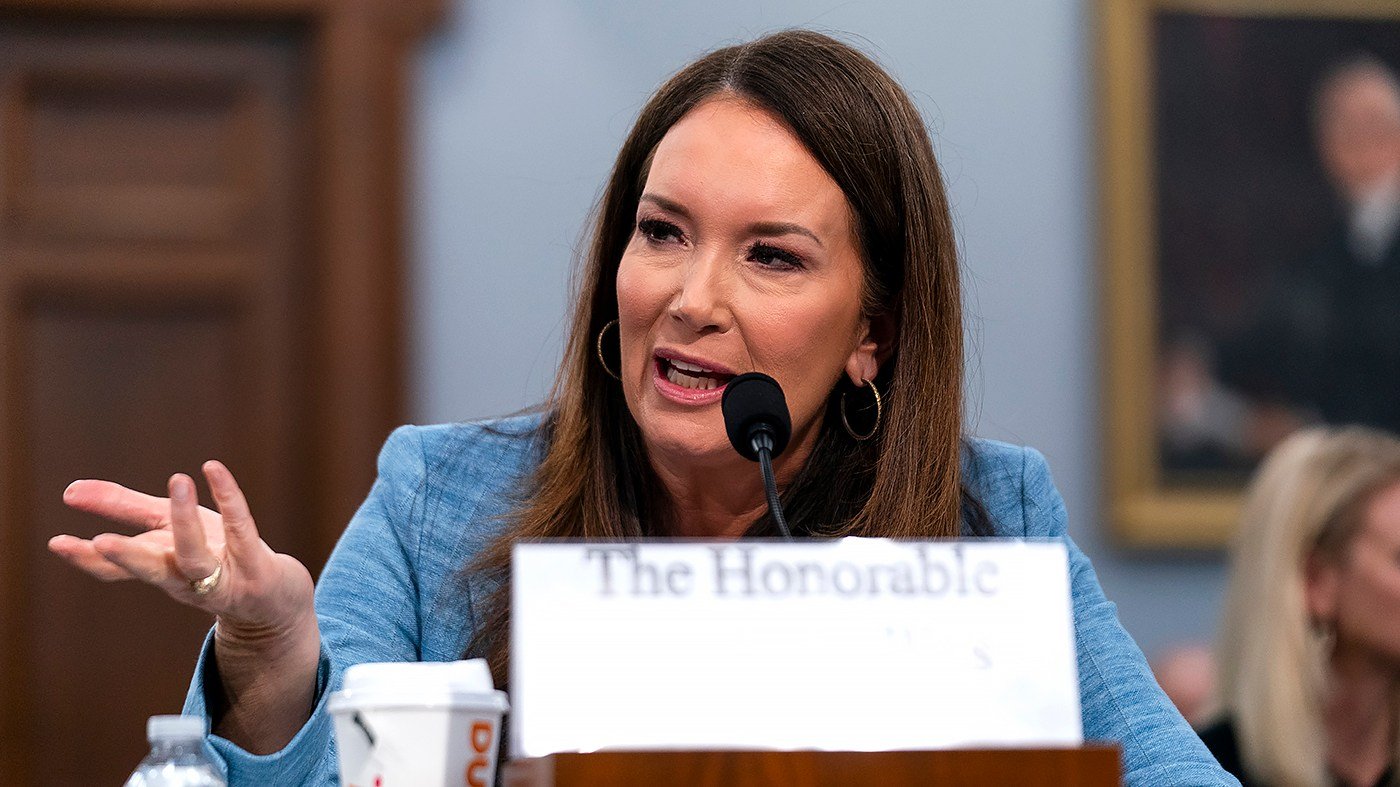
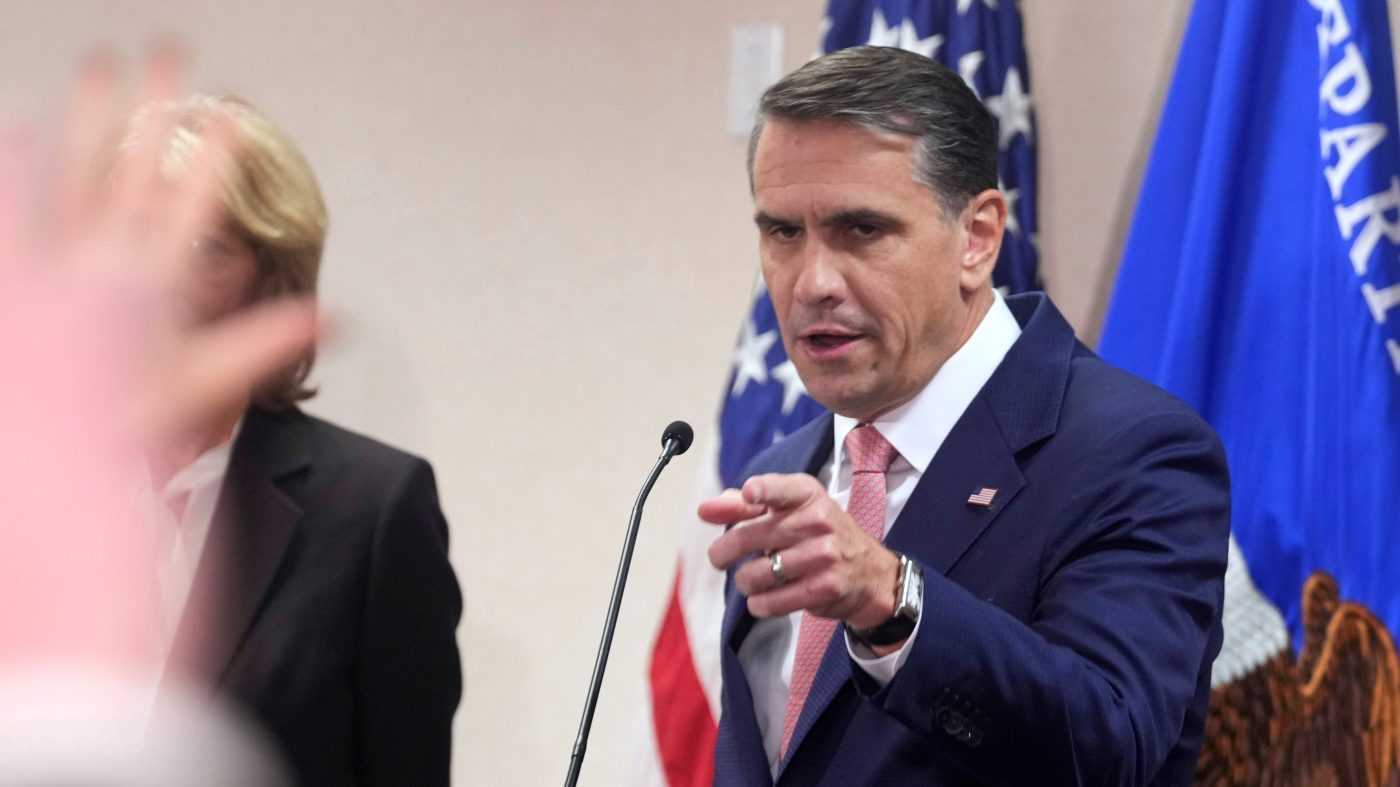
Democratic lawmakers and left-leaning media outlets have seized on the Alabama ruling to argue that the Court is undermining the Voting Rights Act. Senator Raphael Warnock (D-Ga.) claimed the Court is 'bending over backwards' for Alabama, while former U.S. Attorney Joyce Alene said the decision shows 'the end of the Voting Rights Act in practice.' But these charges ignore the legal complexity: the Court has not ruled on the merits of Alabama's map, only on its temporary use while litigation continues.
The broader narrative—that the Court is delivering partisan wins—also overlooks instances where the conservative majority has clashed with Republican priorities. The Court has repeatedly rejected Trump administration initiatives and sided with voting rights advocates in other cases. The reality is more nuanced than the headlines suggest.
This controversy comes as some Democrats have discussed expanding the Supreme Court, a move critics say is aimed at securing favorable rulings. The push for court packing, as some call it, is fueled by frustration that the Roberts Court no longer delivers the outcomes progressives expect. But the legal distinctions in these gerrymandering cases show that allegations of a partisan double standard are overstated.
For now, Alabama will use its existing map in 2026, while Virginia's districts remain unchanged. The Supreme Court has not issued final rulings on either map's constitutionality, leaving the door open for further legal battles. As the midterms approach, the debate over redistricting and judicial integrity is likely to intensify, with Democrats and Republicans each accusing the other of gaming the system.