The Supreme Court kicks off its new term Monday with a pivotal climate case that could shape the legal landscape for state and local governments seeking damages from fossil fuel companies over global warming. The justices will hear oral arguments in Suncor v. Boulder, an appeal of a Colorado Supreme Court ruling that allowed climate-related claims by the city and county of Boulder to move forward.
The case pits energy companies, backed by the Trump administration, against local governments. The companies argue that federal law preempts state-level lawsuits on climate change, a position the administration has echoed. If the Court sides with the companies, it could effectively shut down a wave of similar suits across the country.
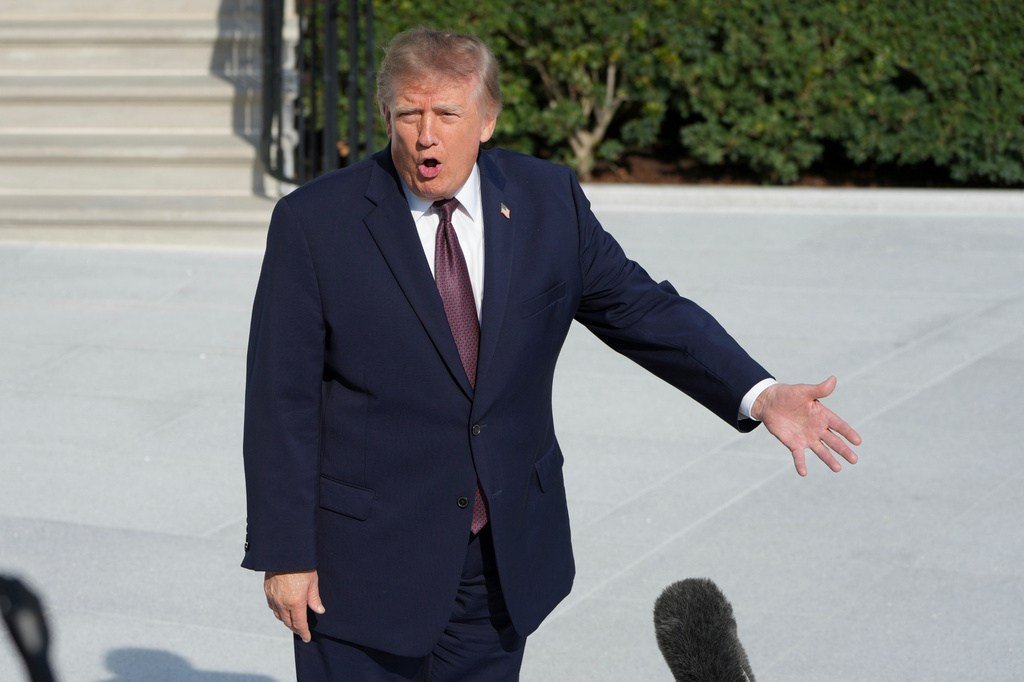
Meanwhile, President Trump is on the campaign trail in Nebraska, making a stop in Grand Island as part of a red-state swing aimed at preserving Republican control of Congress. Over the past week, he has rallied in Texas, Oklahoma, Alabama, and Ohio, with return visits to Texas and Alabama planned later this week.
Vice President Vance is also hitting the campaign circuit, traveling to Anchorage, Alaska, to boost Senator Dan Sullivan's reelection bid. Sullivan faces a tight contest against former Representative Mary Peltola, a rare high-profile visit to the state, underscoring the GOP's concern about the race.
The Supreme Court's docket this term is packed with contentious issues, including potential clashes with the Trump administration over detention policies, religious liberty, and more. The climate case is among the most closely watched, as it could set a precedent for how courts handle climate-related litigation.
Legal experts say the outcome of Suncor v. Boulder will have far-reaching implications. If the Court rules that state courts cannot hear these claims, it would force plaintiffs to seek relief in federal court, where the legal standards for climate damages are less established. Conversely, a decision allowing the case to proceed could open the door to more lawsuits against oil giants.
In a related development, lawmakers are being urged to establish federal climate liability rules as the Supreme Court weighs the oil suits. Some argue that Congress, not the courts, should determine how to address climate damages, a sentiment that could influence the justices' thinking.
On the campaign trail, Trump has focused on economic issues, immigration, and his administration's record, while also taking aim at Democratic candidates. His visit to Nebraska is part of a broader strategy to energize the GOP base in reliably Republican states, even as some polls suggest a tightening electoral landscape.
In Alaska, Vance's appearance highlights the importance of Sullivan's race, which could be pivotal in determining control of the Senate. Peltola, a former congresswoman, has run a competitive campaign, and the state's unique voting system adds an extra layer of complexity to the contest.
As the day unfolds, both the Court's proceedings and the campaign events will be closely monitored for signals about the political and legal battles ahead. The Supreme Court's decision in the climate case is expected to be handed down later in the term, potentially in the spring.