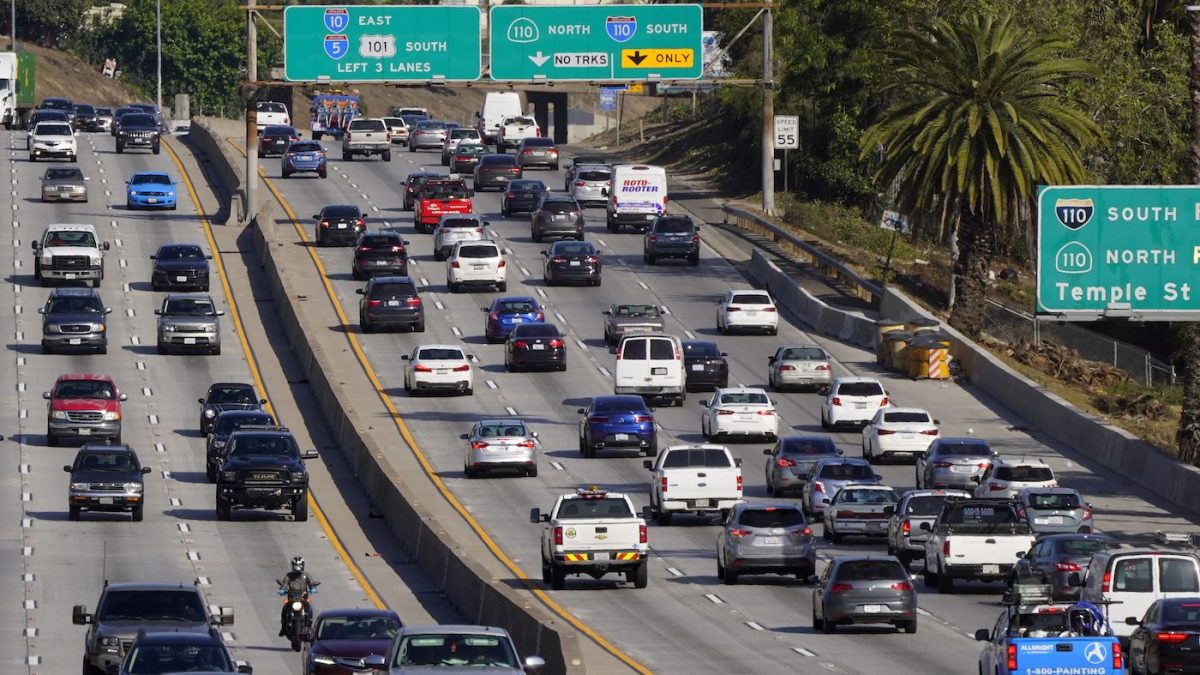
As the summer travel season begins, new analysis reveals a disturbing trend: while overall road fatalities have declined, deaths among teenage drivers have sharply increased. According to data compiled by MoneyGeek, fatalities for drivers aged 15 to 20 have risen by 17.2% over the past two years, making the period between Memorial Day and Labor Day the most hazardous on American roads for young motorists.
The '100 Deadliest Days'
The American Automobile Association (AAA) designates the summer months as the "100 Deadliest Days" due to a confluence of risk factors. Increased traffic volume, more frequent nighttime driving, a higher likelihood of carrying multiple passengers, and longer highway trips that can exceed a novice driver's experience all contribute to the seasonal spike in tragedies. This trend persists despite broader improvements in road safety, highlighting a specific vulnerability among younger drivers.

The most recent summer data shows the human cost of this risk. In the summer of 2024, 635 teen drivers lost their lives, a significant jump from 542 deaths during the same period in 2023. This increase comes as other transportation sectors face their own seasonal pressures, such as the FAA's imposition of flight caps at major airports to manage congestion, underscoring how infrastructure strains across different modes of transport peak during warmer months.
State-by-State Breakdown
The risk is not evenly distributed across the country. A state-level analysis identifies several jurisdictions where teen summer driving fatalities are disproportionately high.
- Texas led the nation with 68 teen summer fatalities in 2024.
- California followed with 49 deaths.
- Florida recorded 34 fatalities.
Other states with notably high numbers include North Carolina (26), Arizona (23), and a three-way tie between Alabama, Michigan, and Illinois (21-20). This geographic concentration suggests that regional factors, from road design to enforcement of graduated licensing laws, may play a critical role in outcomes. The issue intersects with broader policy debates, including those around consumer costs, as seen in the controversy surrounding the Democrats' Fair Prices Act, which critics argue could increase expenses for families, including the cost of vehicle ownership and insurance for young drivers.
Underlying Factors and Policy Context
Experts point to behavioral and environmental reasons for the summer surge. With school out, teens have more unstructured time and are more likely to drive at night, often with friends in the car—a combination that multiplies crash risk. The data presents a clear challenge for state transportation and public safety officials during a period when many legislatures are in recess. The focus on summer dangers comes as other seasonal public health challenges emerge, including a late-season respiratory virus surge straining health systems.
The rising death toll also occurs within a complex economic landscape for new drivers. The cost of entry to driving remains high, with used vehicle prices at elevated levels, potentially pushing teens toward older, less-safe vehicles or increasing the financial pressure on families after a tragedy. This economic dimension adds another layer to the safety calculus facing policymakers and parents alike.
Addressing the crisis requires a multi-faceted approach. Advocacy groups emphasize the importance of graduated driver licensing (GDL) laws, which restrict nighttime driving and the number of passengers for new license holders. Parental involvement and continued education about the unique dangers of summer driving are also considered vital components of any solution. The urgency of the matter is underscored by its timing alongside other significant summer deadlines, such as the Education Department's deadline for borrowers to exit the SAVE plan, which highlights how federal and state policies often converge seasonally.
The persistent rise in teen driving fatalities during the summer months stands as a stark, preventable public safety failure. As families hit the road for vacation, the data serves as a grim reminder that for a vulnerable segment of drivers, the season of freedom carries the highest price.