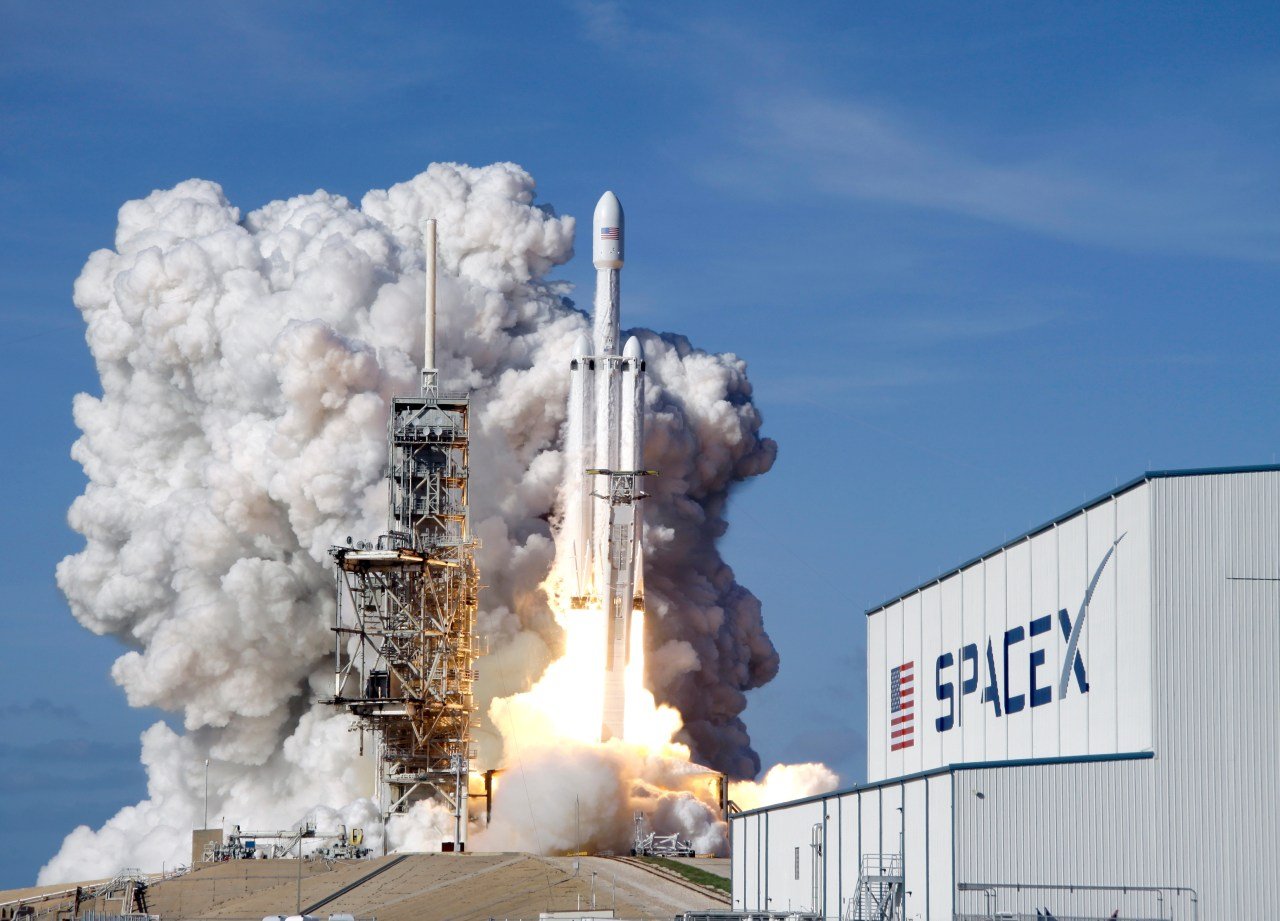
SpaceX is preparing for what could be the largest initial public offering in history, and unlike most Wall Street debuts, the rocket company wants small investors to have a front-row seat. Elon Musk's Space Exploration Technologies Corp. plans to allocate up to 30% of its IPO shares to retail investors—those trading from their phones rather than institutional giants like pension funds.
Major brokerages including Charles Schwab, Fidelity, Robinhood, SoFi, and E-Trade by Morgan Stanley will handle the retail tranche. At Fidelity, investors with as little as $2,000 in their accounts may qualify, a sharp contrast to the usual $100,000 or $500,000 minimums for other offerings. Still, demand could outstrip supply, meaning not everyone who expresses interest will actually get shares.
Volatility and Flipping Risks
The hype surrounding SpaceX may tempt some to buy and quickly sell for a profit, but brokerages often ban investors from future IPOs if they flip shares within a couple of weeks. The company itself has warned that retail enthusiasm could fuel wild price swings, reminiscent of the 2021 meme-stock frenzy that saw GameStop soar on individual investor momentum.
Historically, IPOs average a 7% first-day pop, according to University of Florida professor Jay Ritter. But over the following five years, they tend to underperform similar-sized peers by about 3.6% annually, excluding the first day.
Debt and Losses Loom Large
SpaceX carries $29.1 billion in debt as of March, with losses of $4.9 billion last year and another $4.3 billion in the first quarter of 2026. The company acknowledges it “may not achieve profitability in the future.” Over the long haul, stock prices track earnings, so the financials are a key concern.
Investors may also end up owning SpaceX without intending to. The Nasdaq 100 index now allows large companies to join after just 15 trading days, meaning SpaceX could quickly enter the popular QQQ exchange-traded fund. The S&P 500, however, hasn't adopted similar fast-track rules.
Musk's Super-Voting Control
The IPO offers 555.6 million Class A shares, each with one vote, while Class B shares—held almost entirely by Musk—carry 10 votes each. That structure would give Musk over 82% of voting power, making him effectively unfireable without his own consent. In regulatory filings, SpaceX acknowledges potential conflicts of interest between Musk and his other ventures, like Tesla.
Pension funds for California and New York firefighters and teachers have publicly objected, calling the governance provisions “virtually unheard of among any other large U.S. issuer.” They warned that index fund holdings could force them to become involuntary owners of a company with such concentrated control.
For those considering a bet on SpaceX, the allure of space exploration is real—but so are the financial and governance risks. As the company gears up for its market debut, the message is clear: read the fine print before clicking 'buy.'