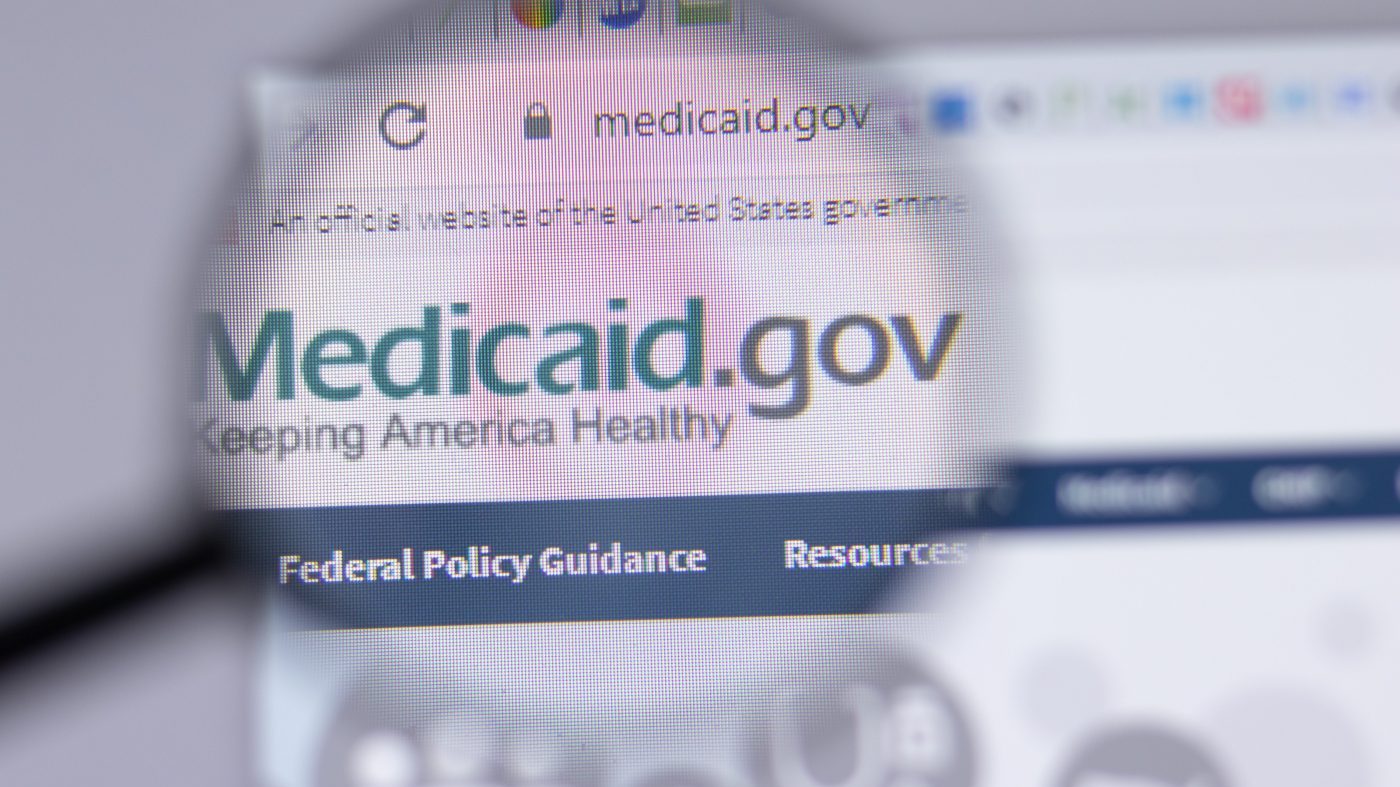
The Senate Budget Committee is set to hear testimony from health policy experts Tuesday morning, just months after the Trump administration finalized a rule that would require able-bodied Medicaid recipients to work or participate in community engagement to maintain coverage. The hearing, scheduled for 10 a.m. EDT, marks the first major congressional review of the work requirements, which were included in the administration's One Big Beautiful Bill Act and affect 42 states plus the District of Columbia.
Republicans and administration officials have framed the policy as a necessary check on fraud, waste, and abuse within the program, arguing that work requirements encourage self-sufficiency and reduce improper payments. However, Democrats and patient advocacy groups have raised concerns that the rules could strip coverage from millions of low-income Americans, including those with disabilities or caregiving responsibilities, who may struggle to meet the new criteria.
The hearing comes amid a broader administration push to reshape federal health programs. In recent weeks, the Department of Health and Human Services has also moved to terminate premium subsidies for Medicare Advantage plans that were expanded under the Biden administration, alleging that those subsidies primarily benefited insurers rather than enrollees. That decision has drawn its own legal challenges and criticism from bipartisan policy experts.
Witnesses expected to appear include researchers who have studied the impact of similar work requirements in states like Arkansas and Maine, where early data suggested that thousands of beneficiaries lost coverage even as employment rates did not improve. Some experts have also pointed to administrative burdens—such as documentation requirements and online reporting systems—as barriers that disproportionately affect rural and elderly populations.
The hearing's timing is notable, as the administration has simultaneously signaled interest in tightening eligibility for other safety-net programs. Earlier this year, the White House endorsed proposals to expand work requirements for food assistance and housing aid, arguing that such measures would reduce dependency. Yet critics, including some moderate Republicans, have warned that overreach could alienate voters who rely on these programs.
Tuesday's session is expected to be contentious, with committee members likely to spar over the legality and morality of the rules. Some GOP senators have already defended the policy as a way to preserve Medicaid's long-term solvency, while Democrats are expected to highlight the potential for coverage losses and the strain on hospitals that serve uninsured patients.
This hearing also intersects with broader debates over federal health policy. As renewed investment in public health is urged by a bipartisan commission, the administration's focus on work requirements may be seen as a departure from that call. Meanwhile, the ongoing measles outbreak has highlighted the consequences of weakened federal health infrastructure, and some lawmakers may use the hearing to press the administration on its broader health priorities.
Advocacy groups have already signaled they will challenge the work requirements in court, arguing that the administration overstepped its authority and that the rules violate the Medicaid statute's guarantee of coverage for eligible individuals. Legal experts note that similar attempts under previous administrations were struck down by courts, though the current legal landscape, with a more conservative judiciary, may yield a different outcome.
The hearing is expected to last several hours, with members of both parties questioning witnesses on the practical implications of the policy. As the administration continues to implement the requirements, states will be tasked with building new administrative systems to track work participation—a process that could take months or years, potentially delaying the policy's impact until after the next election cycle.
For now, the focus is on Tuesday's testimony, which will provide the first detailed congressional examination of a policy that could reshape Medicaid for decades. The outcome of this hearing, and the legal battles that follow, will likely determine whether work requirements become a permanent feature of the American safety net or a brief experiment in welfare reform.