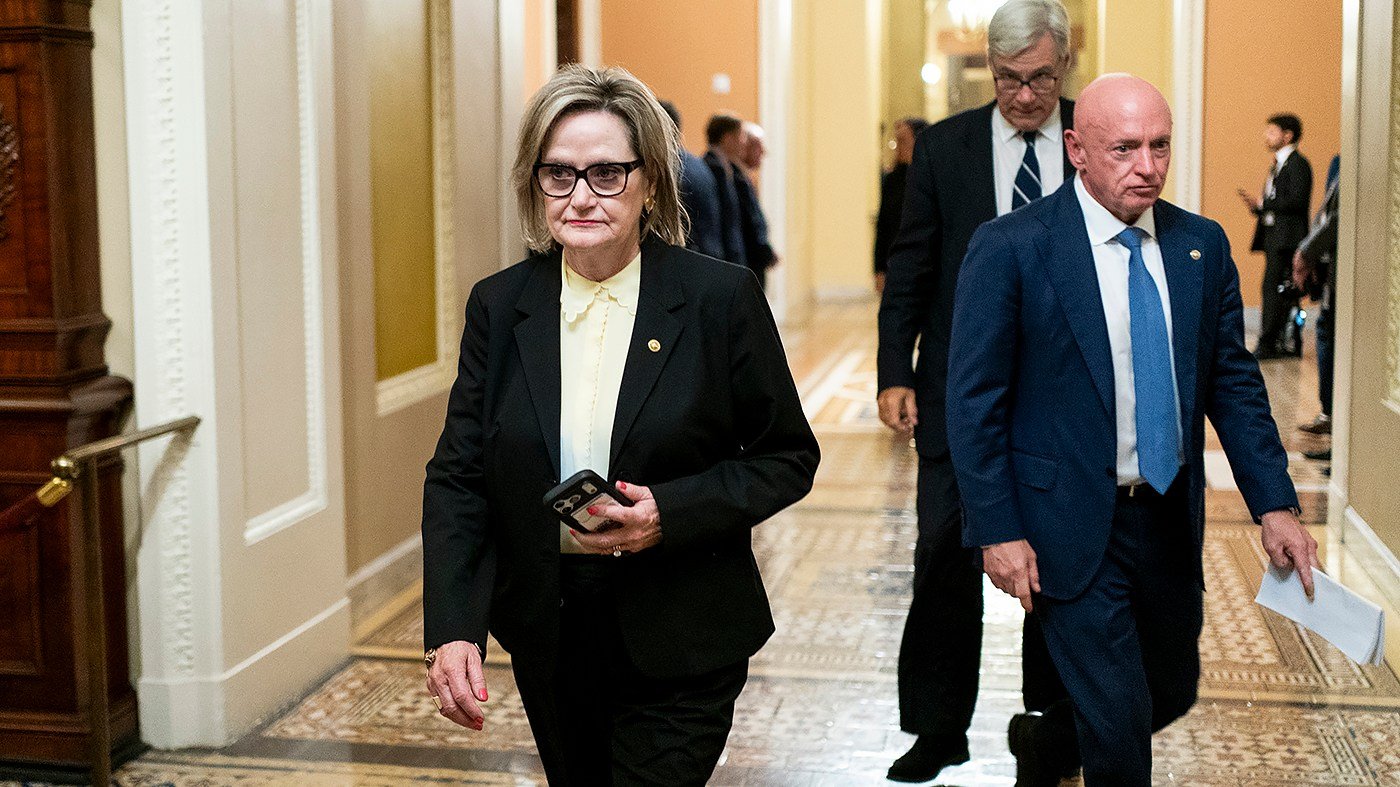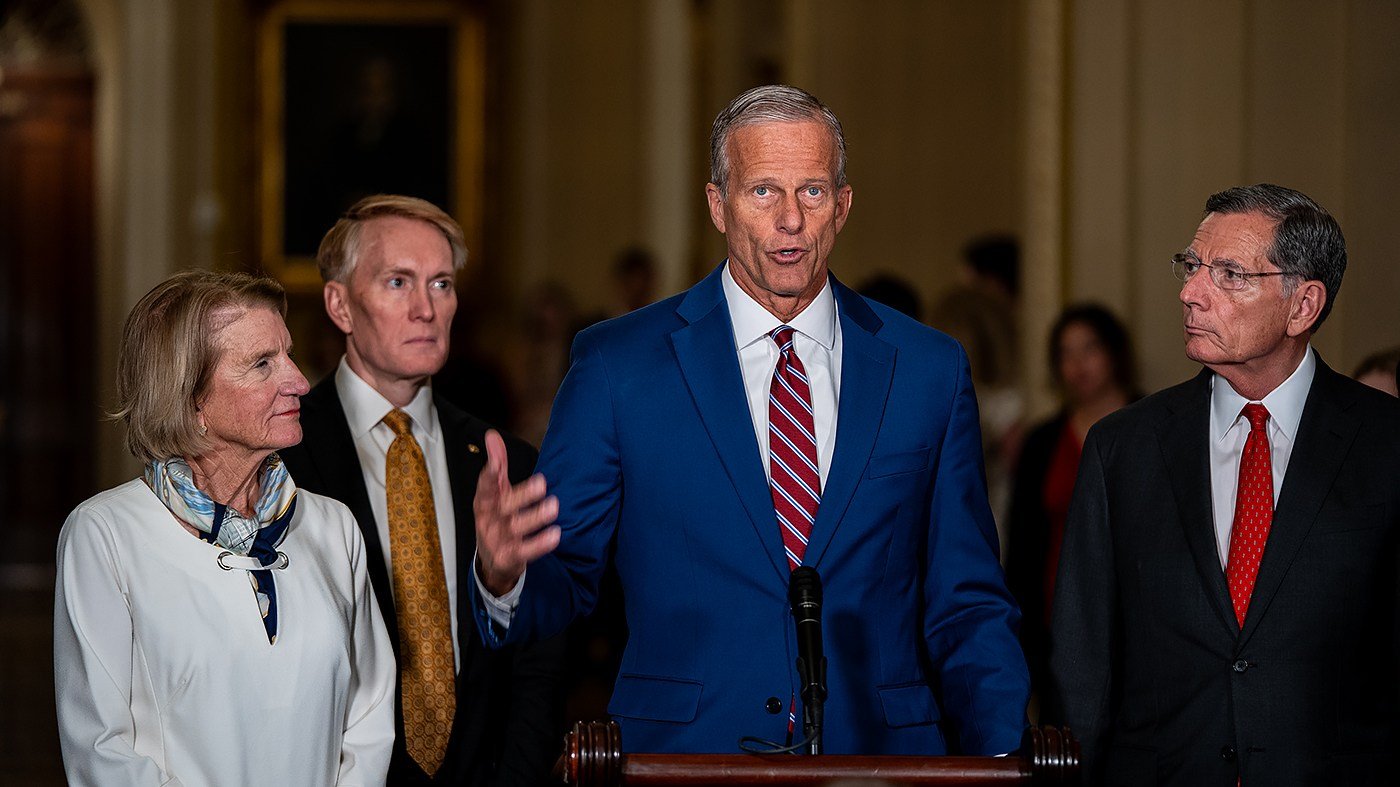
Senate Republicans emerged from a nearly two-hour closed-door meeting on Tuesday without a scheduled leadership vote, as internal frustration over the party's midterm losses boiled over. The delay came after conservatives pressed Senate Majority Leader John Thune (R-S.D.) to lay out a concrete strategy for the lame-duck session and the incoming Democratic majority.
Thune, who is seeking another term as GOP leader, faced pointed questions from members who argued that the conference needs a clear direction before choosing its leadership team. The postponement underscores the broader reckoning underway within the Republican Party following a bruising election cycle that cost the party seats in both chambers.
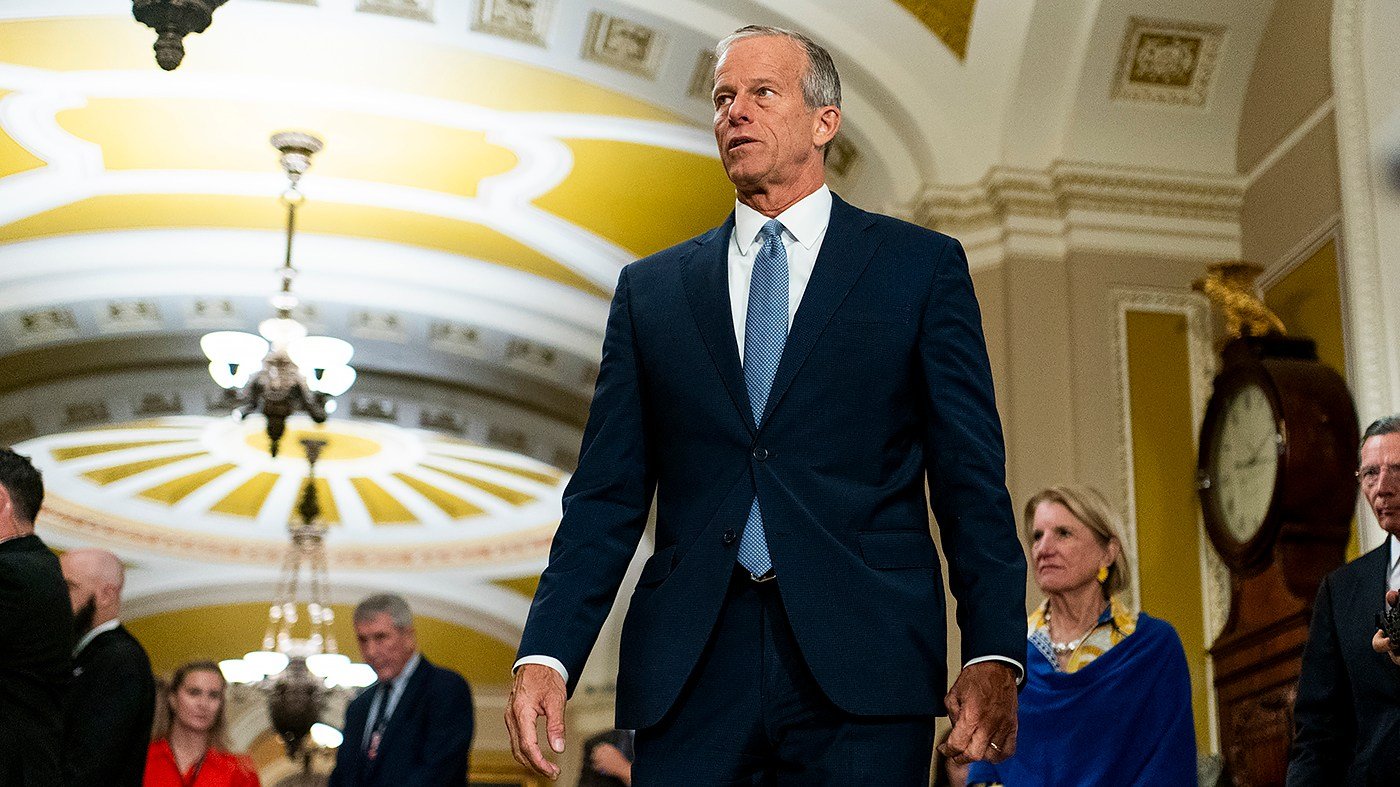
The leadership vote was pushed back as conservative backlash against Thune's leadership intensifies, with some members calling for a more aggressive posture in the upcoming session. The delay also follows the selection of Rep. Jim Jordan (R-Ohio) to lead House Republicans next term, a move that signals the party's rightward shift and sets up potential friction between the two chambers.
According to sources familiar with the meeting, several conservative senators demanded that Thune commit to using every procedural tool available to block Democratic initiatives during the lame-duck period. Others pushed for a broader discussion about the party's messaging and policy priorities after the midterm losses.
The decision to postpone the elections is a significant blow to Thune, who had hoped to consolidate support quickly. However, allies insist that the delay is a tactical move to allow the conference to align on a shared agenda before formalizing leadership roles.
Thune's critics have pointed to the threat by Sen. Ron Johnson (R-Wis.) to boycott the leadership vote as a sign of the internal divisions. Johnson has argued that the conference needs to adopt rule reforms before electing leaders, echoing concerns raised by House conservatives.
Meanwhile, the House GOP leadership battle has also been contentious, with Jordan's selection coming after a protracted fight. The Senate's decision to delay its vote suggests that Republicans are still grappling with the fallout from the midterms and the direction of the party.
Thune is expected to address reporters later Tuesday, and his remarks will be closely watched for signs of how he plans to navigate the internal pressures. The press conference is scheduled for 2:30 p.m. EST.
The delay also comes as defense and impeachment issues collide on Capitol Hill, further complicating the GOP's agenda. With Democrats set to take control of the Senate in January, Republicans face a narrow window to influence legislation before the power shift.
Political analysts note that the leadership delay could have lasting implications for the party's ability to present a united front. "This is more than a scheduling hiccup," said one strategist. "It's a symptom of a party trying to redefine itself after a significant setback."
For now, Senate Republicans are treading carefully, balancing the demands of their conservative base with the need to govern effectively in a divided government. The coming days will reveal whether Thune can bridge the gap or whether the leadership fight will drag on.