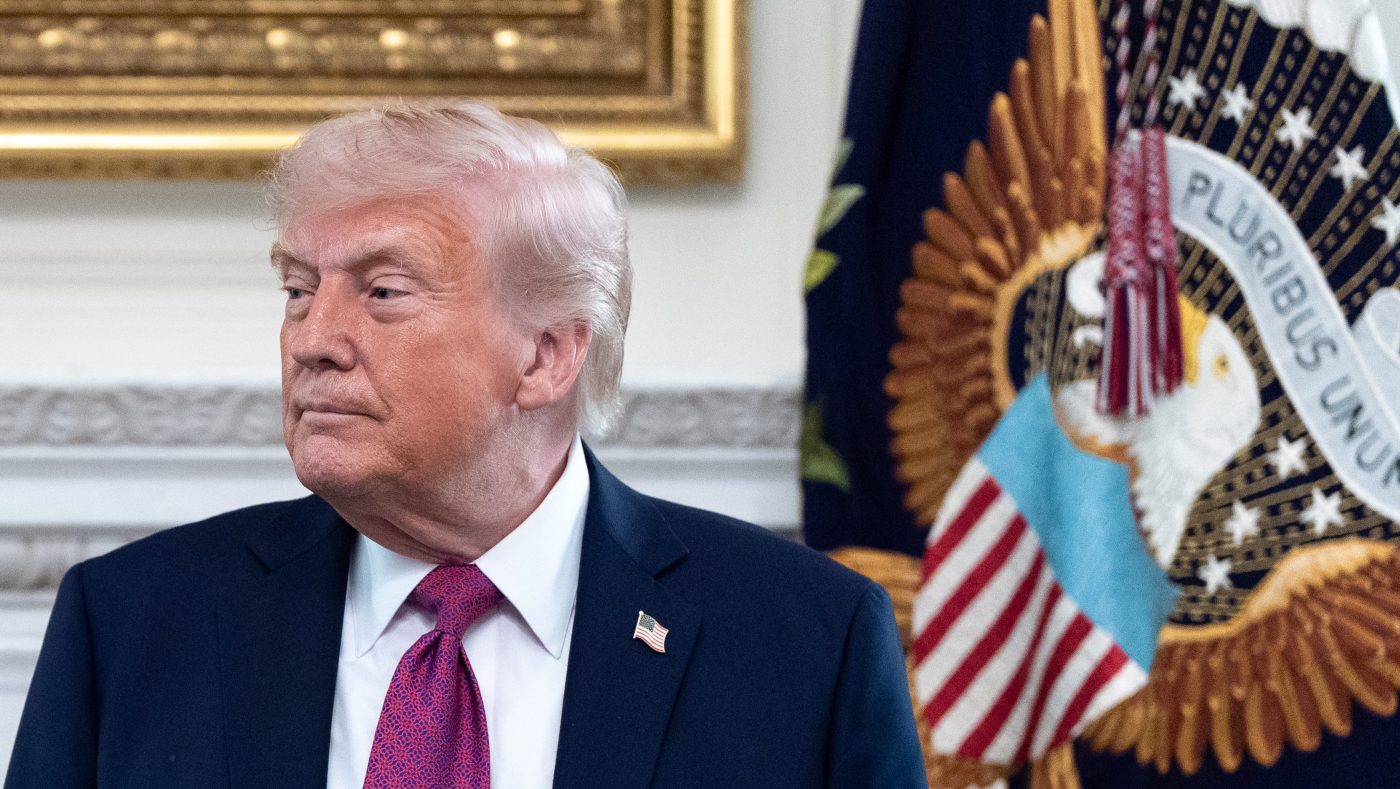
Senate Republicans pushed through a budget resolution in the early hours of Thursday, setting the stage for Congress to vote next month on a reconciliation package aimed at funding the Department of Homeland Security. The department has been effectively shut down since mid-February, and the resolution is designed to unlock funding for immigration enforcement and other DHS operations. The move came after an overnight session that saw two GOP senators break ranks: Lisa Murkowski of Alaska and Rand Paul of Kentucky joined Democrats in opposing the measure.
Funding Path for Immigration Enforcement
The budget resolution is a procedural step that allows Republicans to advance a reconciliation bill without needing Democratic support in the Senate. This package would allocate resources for border security, detention, and deportation efforts, key priorities for the Trump administration. The vote underscores the party's push to deliver on campaign promises, but the defections highlight lingering divisions within the GOP over spending and policy. For more on the specific dynamics, see our coverage of Murkowski and Paul's defiance on the budget resolution.
Trump Escalates Iran Threat in Strait of Hormuz
In a separate development, President Trump issued a stark warning to Iranian naval forces in the Strait of Hormuz on Thursday morning. He announced that he has ordered the U.S. Navy to “shoot and kill” any small Iranian vessels that lay mines in the strategic waterway. In a follow-up social media post, Trump asserted that the United States has “total control over the Strait of Hormuz,” while claiming Iran’s leadership is in disarray. This aggressive posture comes amid ongoing tensions, as Congress has repeatedly debated the limits of presidential military authority regarding Iran. Our article on Senate GOP blocking attempts to curb Trump's Iran military authority provides context on the legislative battles.
California Gubernatorial Debate
Meanwhile, California voters heard from six gubernatorial candidates during a debate on Wednesday night. The candidates sparred over issues ranging from homelessness to climate policy, with the primary election looming. The debate offered a preview of the race to replace Governor Gavin Newsom, who is term-limited. Key takeaways include sharp divisions on housing affordability and public safety.
Trump's Thursday Agenda
President Trump is scheduled to participate in a health care affordability event later Thursday, alongside a policy meeting and a private dinner at the Institute of Peace. The health care event is expected to focus on lowering drug prices and expanding access, though no specific proposals have been released. The policy meeting may touch on the DHS funding situation and the Iran threat, as the administration seeks to balance domestic and foreign priorities.
The developments come as the administration faces scrutiny over its Iran strategy, with critics arguing that Trump's confrontational approach risks escalating conflict in the region. For a broader perspective, read our analysis of Moulton's critique of Trump's Iran policy as a 'war of choice'. The DHS funding resolution, meanwhile, is seen as a test of Republican unity ahead of the midterm elections.