Senate Democrats on Wednesday derailed a Republican-sponsored measure to restrict lawmakers from buying new stocks in publicly traded companies, arguing the proposal was too weak to meaningfully address potential conflicts of interest. The Stop Insider Trading Act fell short of the 60-vote threshold needed to advance, failing 53-47 with no Democratic support.
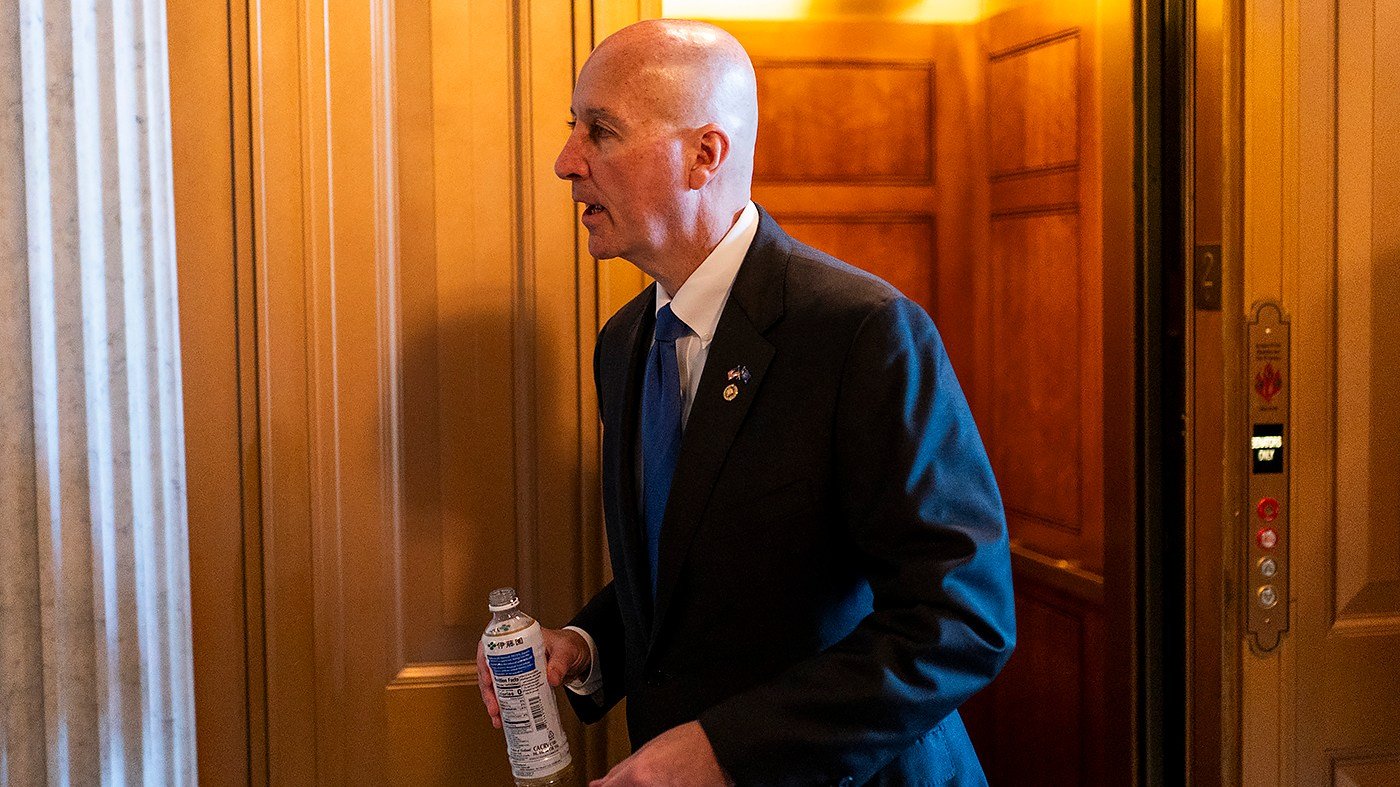
The bill, introduced by Sen. Pete Ricketts (R-Neb.), who is locked in a competitive reelection fight, would have barred members of Congress from purchasing new shares of publicly traded firms and required advance notice of planned stock sales. However, it would have allowed lawmakers to retain existing holdings and continue trading in private companies, a loophole Democrats seized upon as a fatal flaw.
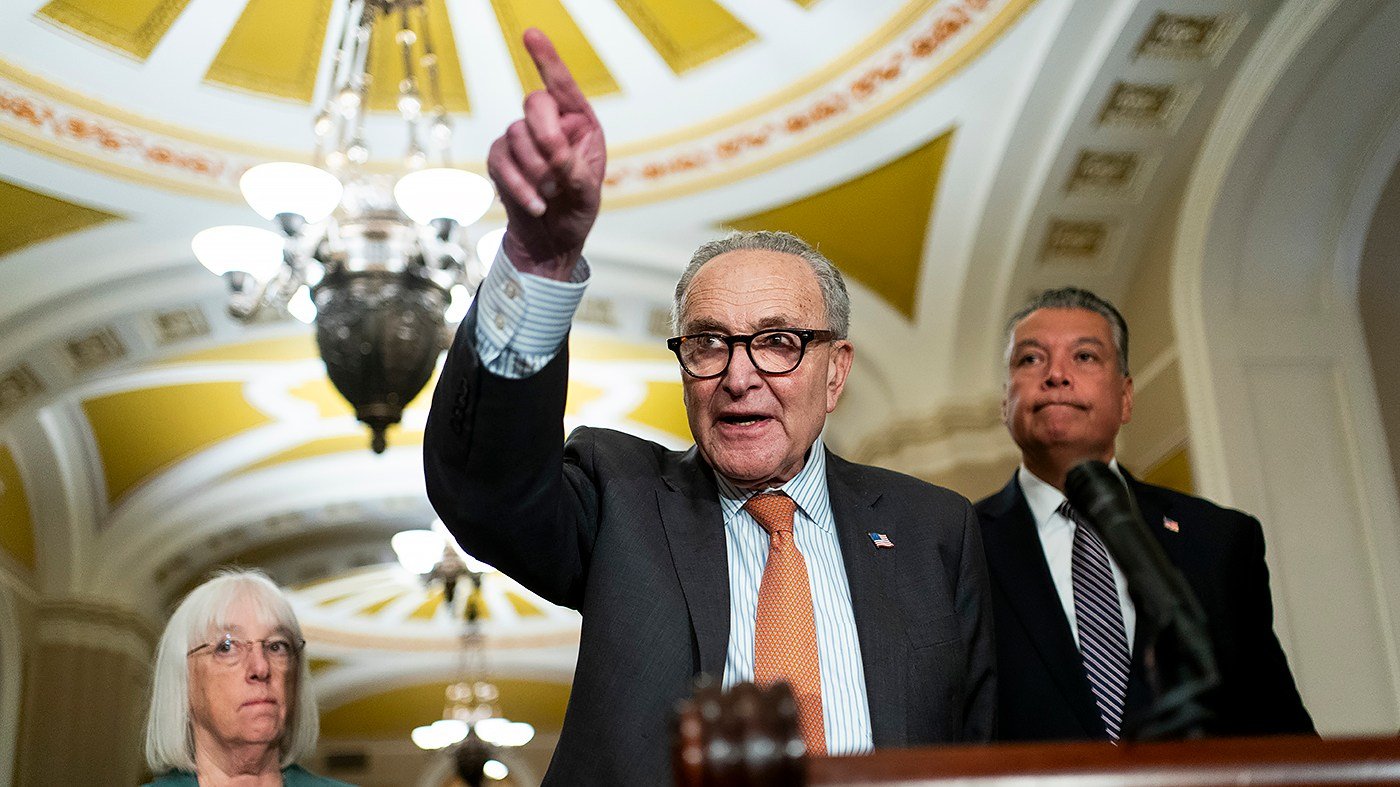
Senate Democratic Leader Chuck Schumer (D-N.Y.) lambasted the legislation as a “feeble” attempt at reform, arguing it would still permit profitable transactions. “Only Senate Republicans would dare call a bill that permits members of Congress to continue to own, sell and in some instances buy stocks a stock-trading ban,” Schumer said on the floor. “The Republican bill is a permission slip for corruption, not a stock-trading ban.”
Ricketts, who has faced criticism from independent challenger Dan Osborn over his personal trading gains, defended the proposal as a “common sense” step to restore public trust. He pointed to Congress’s dismal 15% approval rating, arguing that scandals over stock trading have fueled disillusionment. “Why do Americans have such a lack of faith in our institutions? Well, in part, because of what has happened with trading in the Congress,” he said before the vote.
The House passed a version of the bill in July with support from 13 Democrats, but Schumer noted that the Senate Homeland Security Committee had previously advanced a stronger bipartisan measure that was watered down in the lower chamber. He also criticized House Republicans for attaching a “poison pill” provision requiring voter ID, which he said was designed to kill the bill’s chances in the Senate.
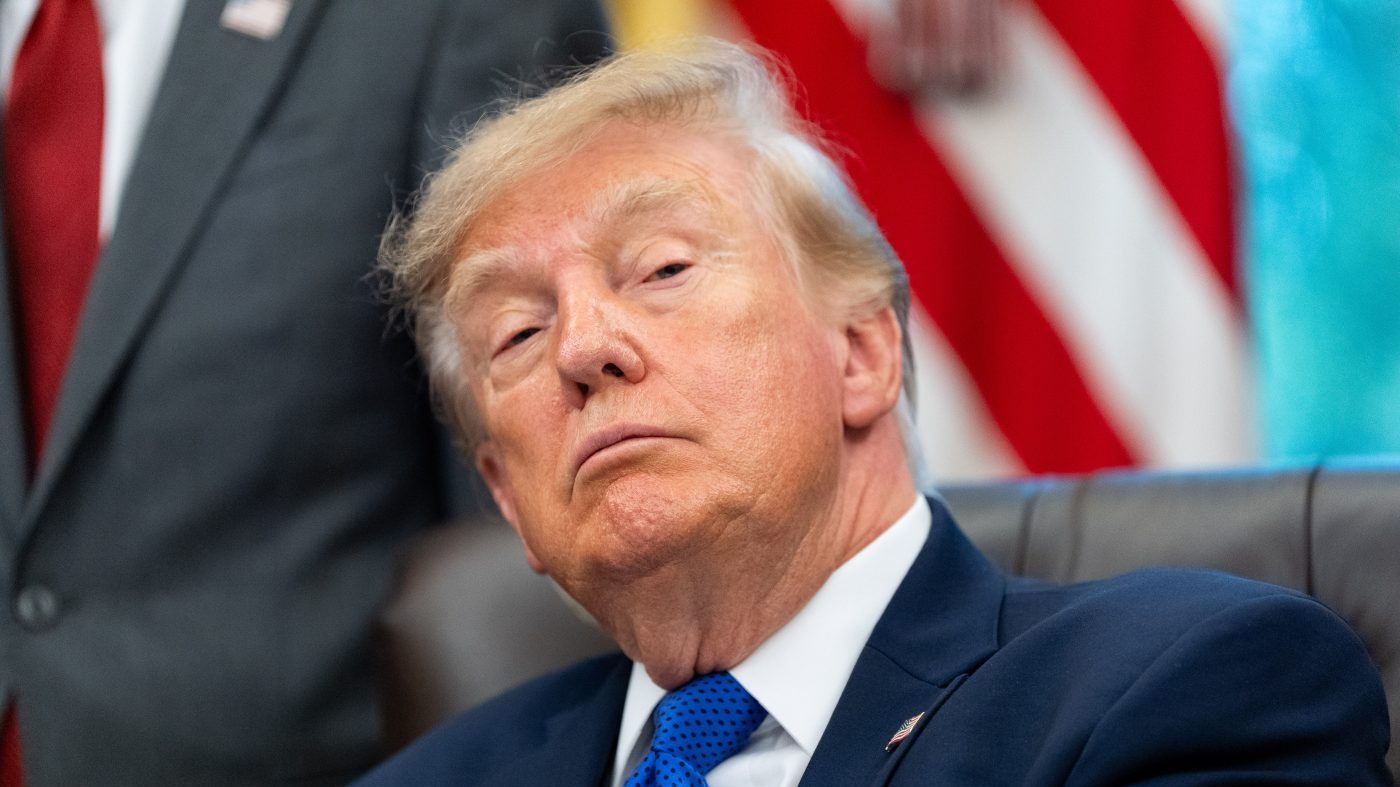
Schumer further accused Republicans of hypocrisy, noting that the bill would not restrict President Trump’s trading activities. According to a Bloomberg analysis, Trump and his money managers executed roughly 28,700 trades between January 2025 and June 2026. Democrats have also targeted Sen. Dan Sullivan (R-Alaska), who faces a tough race, for allegedly tripling his net worth while in office and selling stocks after closed-door briefings before prices dropped.
This vote marks the latest failure of congressional stock trading restrictions, following similar efforts in June and July that were blocked by Republican objections. Sen. Cynthia Lummis (R-Wyo.) and Sen. Bernie Moreno (R-Ohio) each stymied Democratic attempts to advance broader bans, with Moreno dismissing the effort as a “publicity show.”
The defeat underscores the deep partisan divisions on ethics reform, even as public confidence in Congress remains near historic lows. Democrats are pushing for more comprehensive measures, including a ban on ownership of individual stocks and digital assets by lawmakers and the president, while Republicans argue their proposal targets the most egregious abuses.
With the November elections looming, the issue is likely to remain a flashpoint, particularly in competitive races where candidates are already using trading records to attack incumbents. As the Senate takes up other contentious votes, the debate over stock trading reform shows no signs of fading.