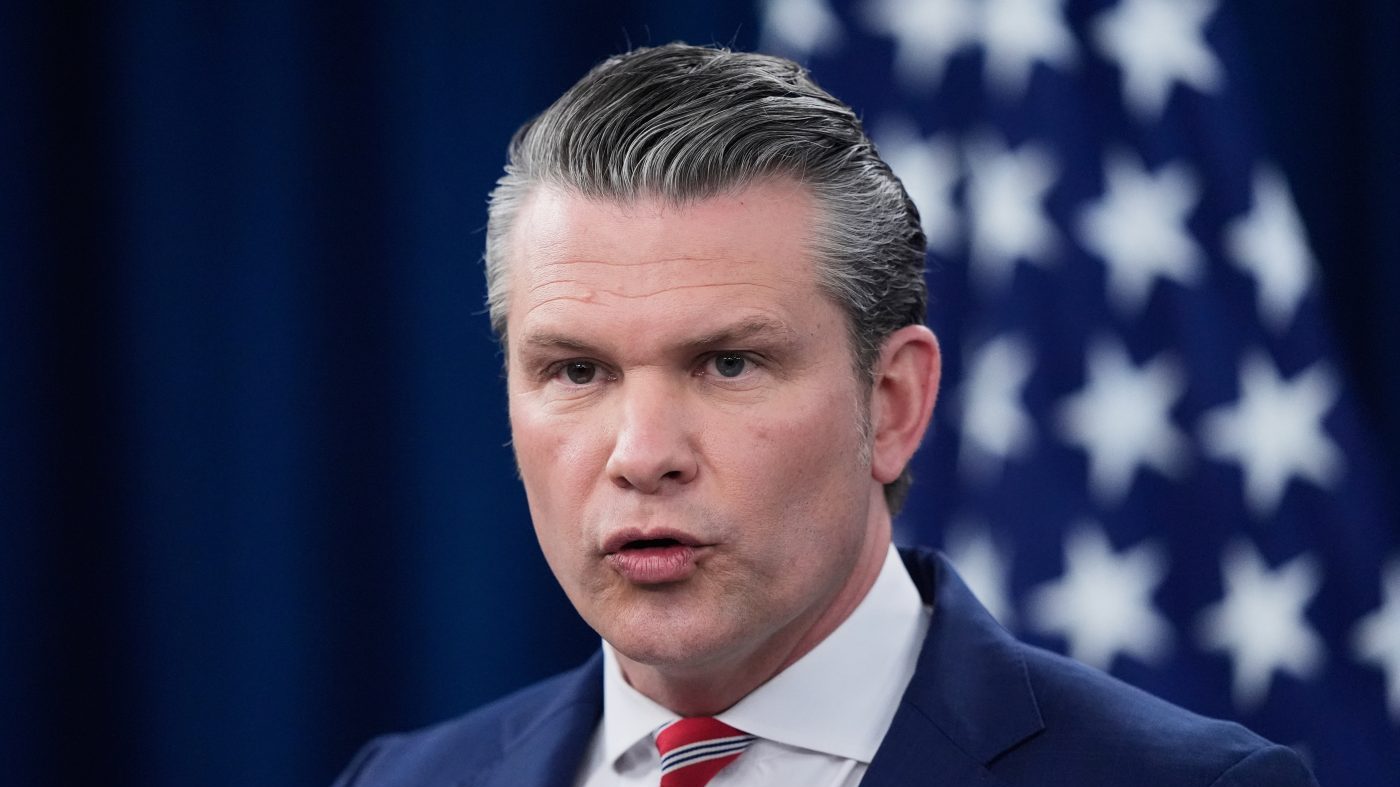
Five Senate Democrats are demanding that Defense Secretary Pete Hegseth provide a detailed justification for the Pentagon's new policy mandating annual testosterone screenings for all service members aged 30 and older. In a letter sent Friday, the lawmakers pressed the department to explain the scientific reasoning, implementation costs, and potential risks tied to the directive.
The letter was signed by Senators Richard Blumenthal of Connecticut, Mazie Hirono of Hawaii, Gary Peters of Michigan, Elizabeth Warren of Massachusetts, and Ruben Gallego of Arizona. They argue that the policy lacks any evidence of improving force readiness or overall troop health.
“The Department has provided no evidence that this sweeping new policy will improve force readiness or health, nor has it explained the scientific basis, costs, or risks associated with implementing it across the force,” the senators wrote.
The policy, which has not yet been enacted, would require annual testosterone level checks for those 30 and older. For younger troops, testing would be voluntary, as would any subsequent testosterone replacement therapy. Hegseth has framed the initiative as part of a broader push to ensure troops meet optimal health and performance standards—a central tenet of his tenure at the Pentagon.
Critics, however, worry the screening could inadvertently encourage self-medication or abuse of performance-enhancing drugs among service members. This skepticism is compounded by Hegseth’s ongoing push to overhaul military fitness standards, including revised physical fitness tests and body fat composition rules, which he says sharpen the focus on warfighter readiness.
The senators also spotlighted the policy’s potential impact on women in uniform, noting gaps in the Military Health System for servicewomen dealing with menopause and other health issues. “Coupled with the Department’s recent repeated efforts to redefine military culture around an exaggerated conception of masculinity, this initiative risks undermining years of work to ensure that women servicemembers are evaluated and valued based solely on their ability to perform the mission,” the letter stated.
The lawmakers pointed to what they see as a stark disparity in priorities. “This stark disparity suggests that the Department’s priorities are being shaped less by an equitable assessment of force health than by the Secretary’s preferred cultural narrative,” they wrote.
The pushback comes as Hegseth faces broader scrutiny on Capitol Hill. He has already been grilled over Iran war costs following three U.S. deaths and his mass firing of senior military officers, which critics say threatens merit-based advancement. The testosterone policy now adds another front to the ongoing battle between the administration and Democratic lawmakers over the direction of military culture and health standards.