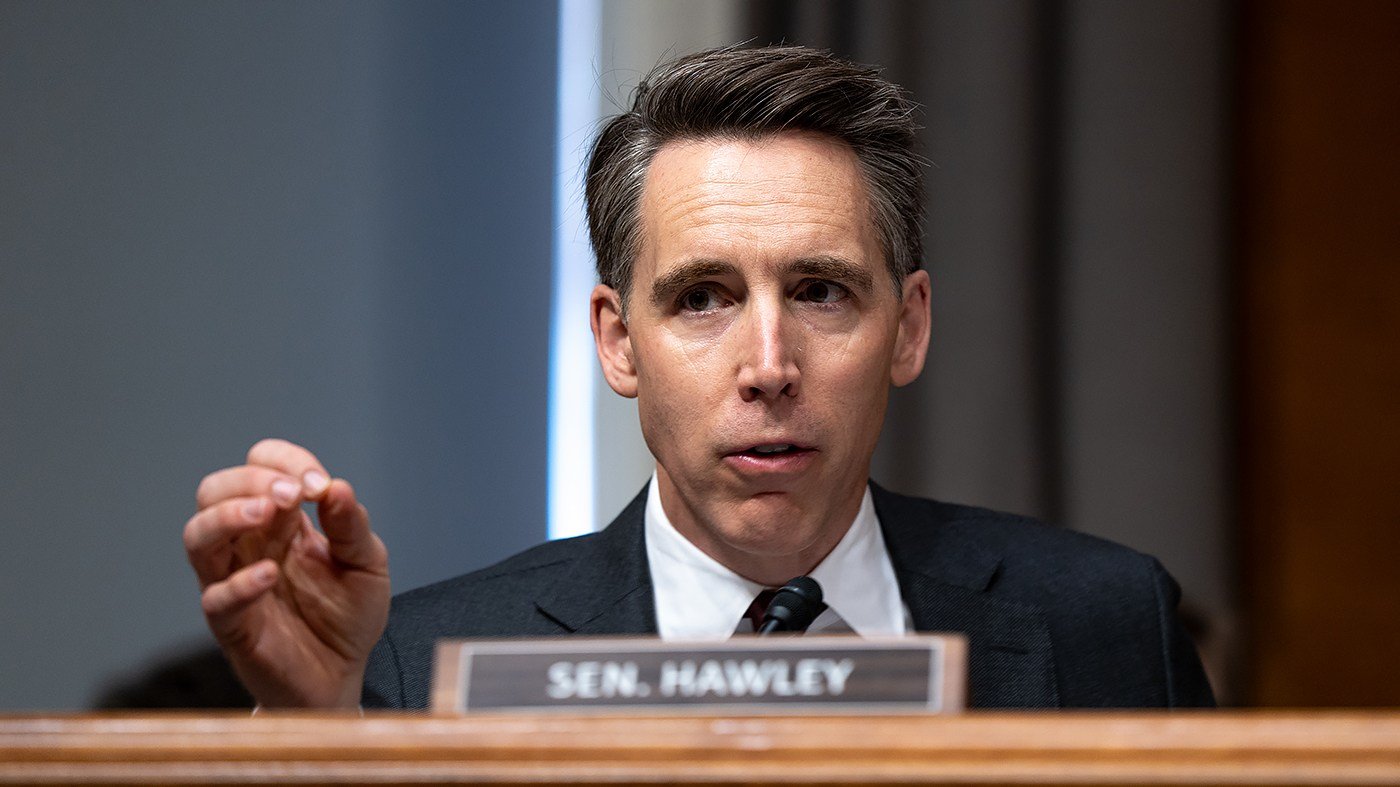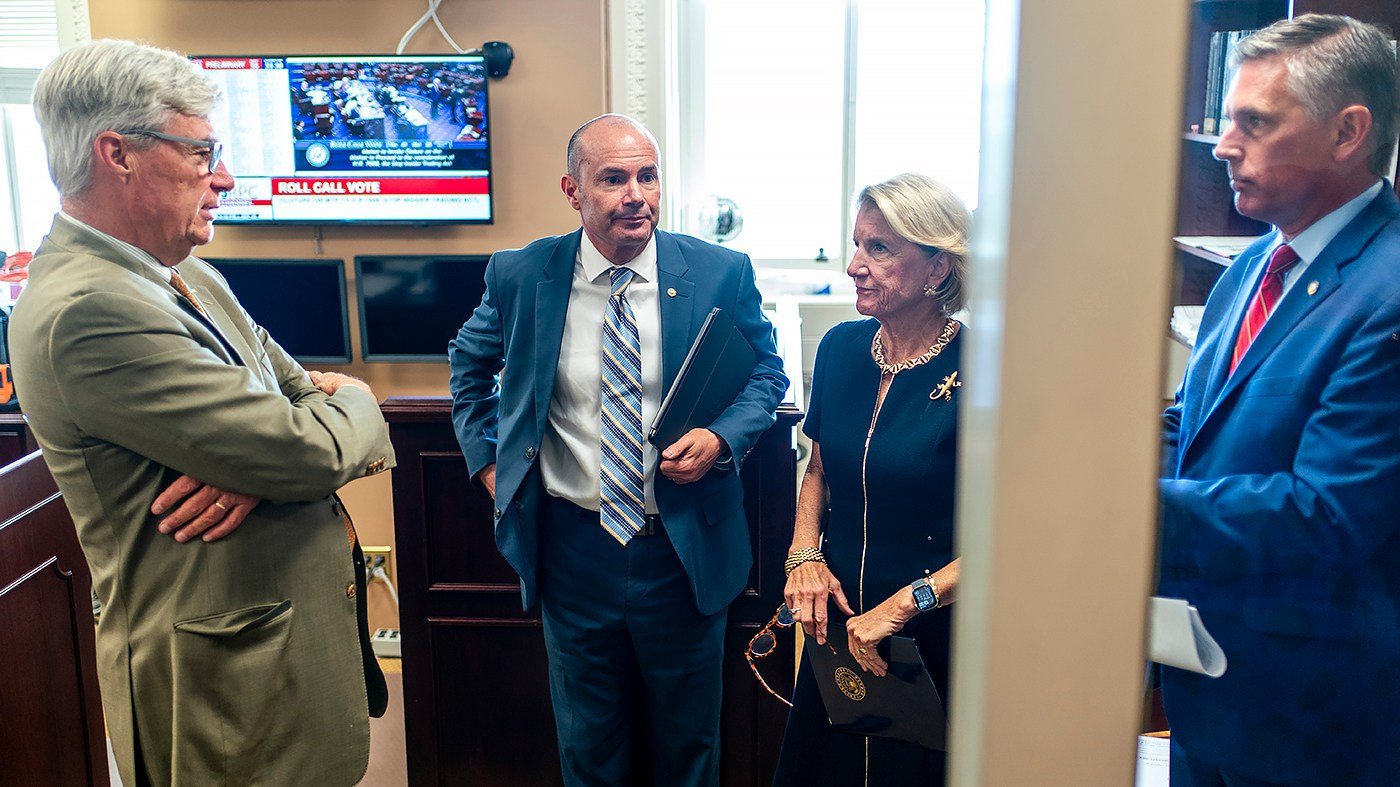
Washington is abuzz with permitting reform discussions as the Senate takes a significant step forward on legislation aimed at streamlining federal approval processes for major energy and infrastructure projects. The bipartisan push, long sought by industry leaders and lawmakers across the aisle, appears to be reaching a critical juncture. On Tuesday, The Hill convened key lawmakers, industry executives, academics, and advocates to dissect the various proposals currently winding through Congress.
The momentum comes as the Senate unveiled a nearly $1.1 trillion defense spending bill on Monday, a move that reallocates roughly $69 billion from the Pentagon's proposed $350 billion reconciliation package into the regular budget. Lawmakers are now eyeing a December 11 government funding deadline, adding urgency to the legislative calendar.
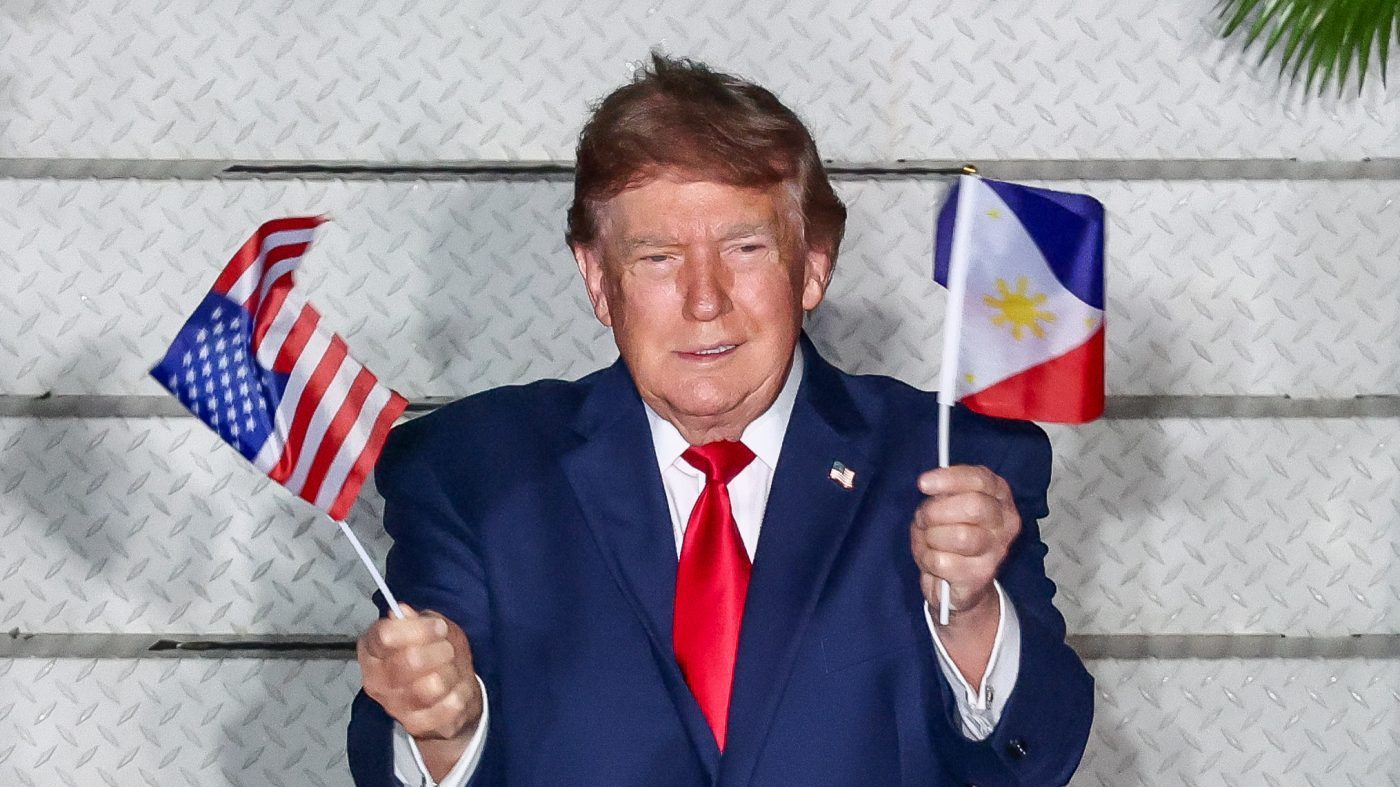
Meanwhile, President Trump is embarking on a high-stakes trip to Asia, though his departure was not without turbulence. Severe weather in Anchorage, Alaska, forced Air Force One to reroute to Fairbanks for refueling before continuing to the Philippines. The president's itinerary includes meetings with Chinese President Xi Jinping and Russian President Vladimir Putin, with artificial intelligence and security issues topping the agenda.
Trump's Asia trip also comes amid ongoing trade tensions, particularly regarding Nvidia, a key player in the U.S.-China semiconductor rivalry. The president has weighed in on the company's future, voicing support for the return of former CEO Jensen Huang. The trip's diplomatic stakes are high, as the president's agenda includes delicate negotiations on trade and security.
Upon arriving in the Philippines early Tuesday, Trump is set to participate in the ASEAN Summit, a platform for addressing regional issues and reinforcing U.S. engagement in the Indo-Pacific. The president's presence signals a continued focus on countering China's influence in the region, even as he seeks to manage bilateral relations.
Back in Washington, Transportation Secretary Sean Duffy is pressing Congress for $50 billion to modernize the nation's air traffic control system. The request follows a nationwide ground stop that disrupted thousands of flights, highlighting the aging infrastructure's vulnerabilities. Duffy's appeal adds another layer to the already crowded legislative agenda.
The convergence of permitting reform, defense spending, and the president's foreign trip underscores a busy period for policymakers. As the Senate moves forward, the House is expected to take up the issue, with proponents arguing that streamlined permitting is essential for energy independence and infrastructure modernization. Critics, however, warn of potential environmental and community impacts, setting the stage for a contentious debate.
With the December 11 deadline looming, lawmakers face a tight timeline to reconcile competing priorities. The defense bill's passage will be a test of bipartisan cooperation, while the permitting reform push could reshape the regulatory landscape for years to come. As Trump navigates international diplomacy, the domestic agenda remains equally demanding.