The Securities and Exchange Commission's controversial climate disclosure rule, which never took effect, is on track for formal rescission under the Trump administration, marking a significant victory for critics who argue the mandate was an ideological overreach rather than a genuine investor protection measure.
The proposed regulation, introduced during the Biden era, would have required virtually all public companies—and indirectly many private ones—to report climate-related risks from their own greenhouse gas emissions and broader economy-wide impacts. The rule drew fierce opposition from business groups, legal scholars, and policymakers who argued it imposed massive compliance costs and litigation threats with little tangible benefit.
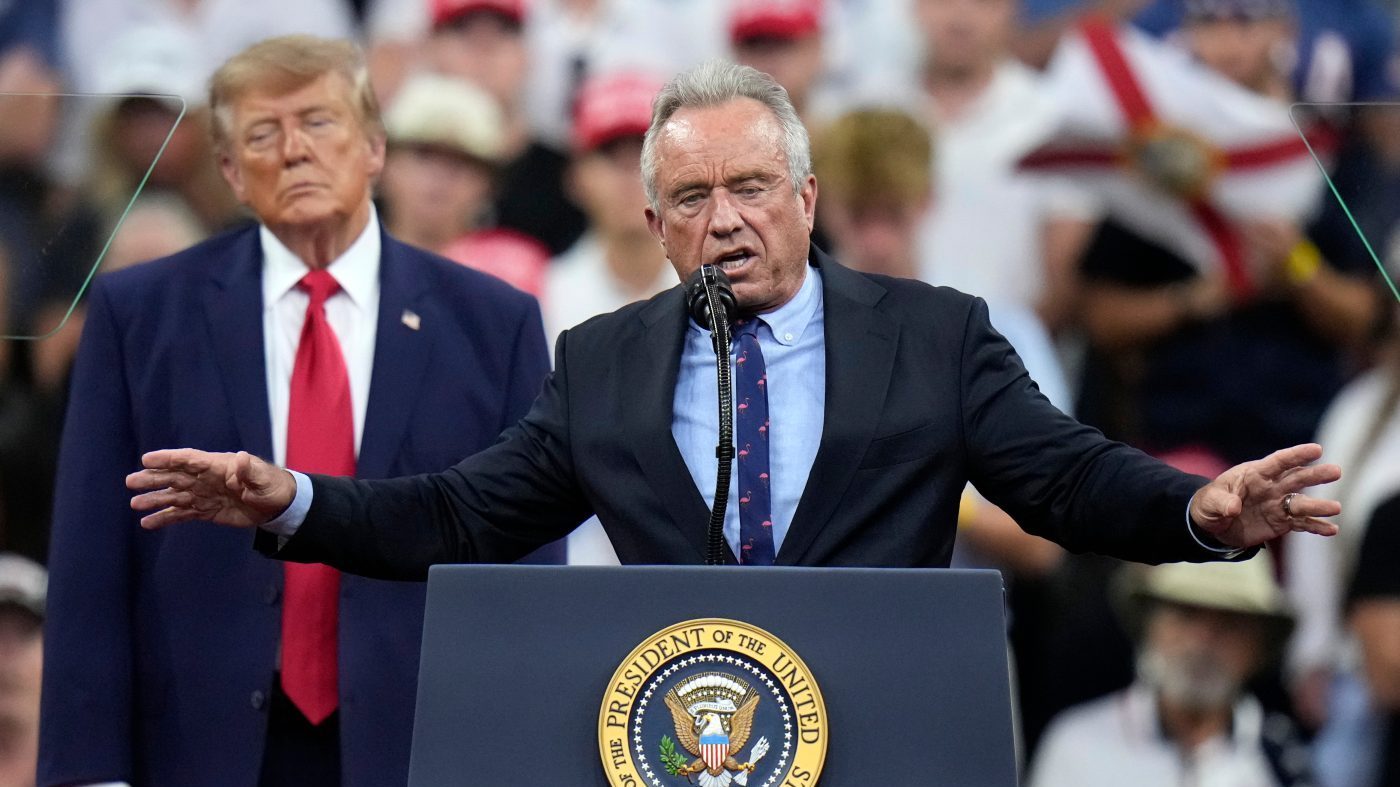
Benjamin Zycher, a senior fellow at the American Enterprise Institute, described the rule's underlying premise as “preposterous,” noting that any single firm's emissions are far too small to affect global climate patterns. He added that even under the Environmental Protection Agency's most extreme models, total U.S. emissions produce effects that are “either undetectable or barely detectable.”
The final rule, issued in March 2024, was significantly scaled back from the original proposal—dropping requirements for supply-chain emissions—but still faced immediate legal challenges. It was stayed and never enforced. The Trump SEC, under Chairman Paul Atkins, has neither enforced nor defended it, and has now notified the U.S. Court of Appeals for the Eighth Circuit that it “does not intend to renew its defense.”
Atkins has signaled a broader shift in regulatory philosophy, telling Congress he aims to “re-anchor disclosures in materiality so that investment decisions can turn on economic signals rather than on regulatory noise.” He noted that public companies already spend $2.7 billion annually on filings, and that outdated compliance demands can obscure useful information.
The political winds have clearly turned. After decades of climate alarmism predicting imminent catastrophes, public opinion polls show Americans now rank economic growth and healthcare costs—issues like those raised by Senator Cassidy in his push for medical debt reform—far above climate action. This shift has emboldened opponents of green mandates, who argue that climate policy is often a vehicle for leftist ideological goals unrelated to environmental protection.
Zycher warns that without congressional action to sharply limit the SEC's authority, a future administration could revive similar rules. “What is needed is actual legislation from Congress imposing sharp limits on the ability of the SEC to require such useless and costly mandates,” he wrote.
The SEC has already begun the formal rescission process, notifying the Office of Management and Budget in May of its intent. The move aligns with broader efforts to roll back climate-related regulations across the federal government, including court challenges to youth climate lawsuits and the dismantling of climate research labs.