As U.S. and Mexican negotiators enter the fourth round of trade talks, with nearly $1 trillion in annual goods and services at stake, a familiar protectionist proposal has resurfaced at a critical juncture. Florida produce growers are pressing the Trump administration to impose seasonal tariffs and tariff-rate quotas on Mexican fruits and vegetables during peak U.S. harvest periods.
On its face, the idea might seem reasonable—a way to shield American farmers from unfair competition. But former Reps. Christopher Shays (R-Conn.) and Richard Swett (D-N.H.) argue that seasonality is flawed economics, poor trade policy, and, as Florida's recent freeze demonstrated, detrimental to U.S. food security. They urge the administration to reject the proposal.

The economic case against seasonality is clear. While it aims to protect growers in Florida and parts of the Southeast, trade policy is national in scope. Shielding one region from competition can impose costs on farmers, businesses, and consumers nationwide. In July, a coalition of 24 agricultural groups, producers, distributors, restaurants, and retailers wrote to U.S. Trade Representative Jamieson Greer, Agriculture Secretary Brooke Rollins, Treasury Secretary Scott Bessent, and Commerce Secretary Howard Lutnick, opposing seasonal restrictions. Their message was straightforward: such measures would disrupt the integrated North American food supply chain, raise costs for American consumers, and invite Mexican retaliation against U.S. agricultural exports.
This is not a new debate. During the original NAFTA renegotiation, the U.S. Trade Representative's Agricultural Technical Advisory Committee for Trade in Fruits and Vegetables opposed a similar seasonal proposal. In January 2018, the committee formally recommended removing it from U.S. negotiating objectives, citing risks of retaliation, the precedent it would set in other trade agreements, and the danger to the broader North American trade pact. The provision was ultimately dropped.
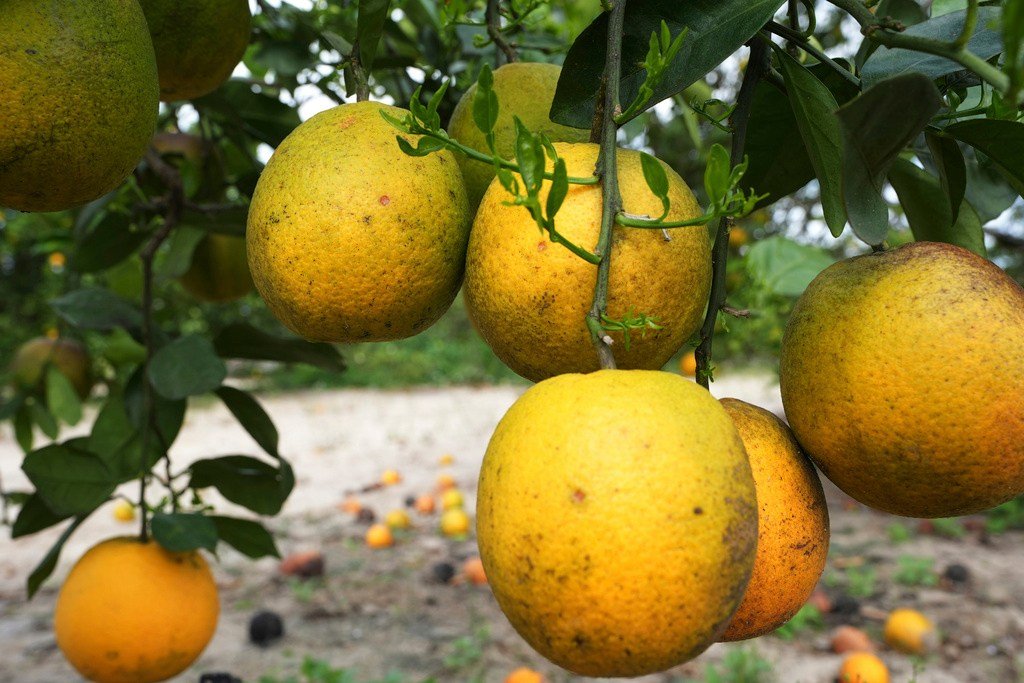
Weather also underscores the risks. Florida's winter of 2025–26 brought severe freezes causing over $3.1 billion in estimated agricultural losses, according to the Florida Department of Agriculture and Consumer Services. Strawberries alone lost nearly $307 million, tomatoes over $164 million, bell peppers over $108 million, and citrus nearly $675 million. Yet Americans did not go without these products—imports helped keep markets supplied.
That resilience is a key strength of North American free trade. Different climates and growing seasons allow U.S., Mexican, and Canadian farmers to complement each other when local production falters. Agriculture Department data show Mexico supplied about 75% of U.S. fresh tomato imports, 49% of fresh cucumbers, and 59% of fresh bell peppers in 2025, with particularly high reliance during winter and early spring.
The U.S. cannot produce every fresh fruit and vegetable year-round. Climate, water, labor, land, and growing seasons make that impossible. Mexican imports often complement, rather than replace, American production.
Beyond food supply, the trade relationship with Mexico is vast. Mexico is one of the largest foreign markets for U.S. agricultural products, with exports reaching $30.6 billion in 2025, including corn, pork, poultry, dairy, and beef. In return, Mexico supplied $43.8 billion in agricultural goods to the U.S. Seasonal tariffs would put this $74 billion agricultural trading relationship at risk, escalating disputes already surrounding the USMCA review.
Florida growers deserve a fair hearing. They have legitimate concerns about market share and long-term viability. If Mexican producers are dumping or violating trade laws, existing remedies exist. Federal disaster programs can help after catastrophic freezes, as they did this year. But writing new regional protection into a major trade deal is a different matter.
Food security does not mean producing everything domestically. It means ensuring Americans have a reliable, resilient, and affordable food supply, even when drought, hurricanes, labor shortages, or historic freezes disrupt one region. When Florida freezes, Americans still need to eat. Fortunately, Mexico, an ally, is next door.