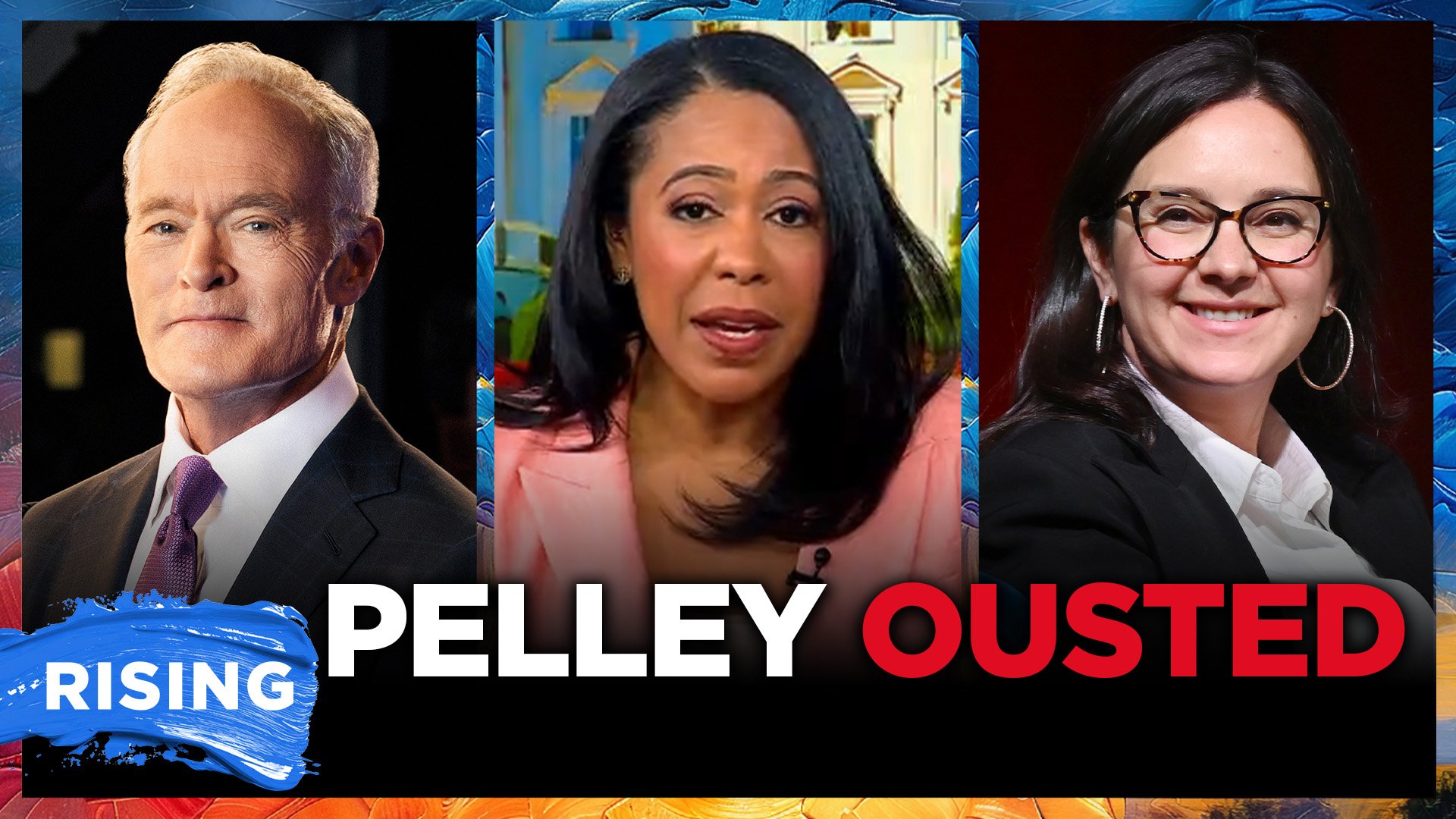
For decades, 60 Minutes has stood as the gold standard of television journalism, where the reporting—not the personalities—took center stage. But last night, the turmoil at CBS News reached a new peak with the firing of veteran correspondent Scott Pelley, a fixture at the program for over two decades.
According to The New York Times, Pelley was dismissed just one day after confronting newly appointed executive producer Nick Bilton during a staff meeting over sweeping changes at the show. Pelley had become one of the most vocal internal critics of the network's direction, publicly accusing leadership of undermining the culture and values that made 60 Minutes one of the most respected news programs in the world.

Earlier this week, during that staff meeting, Pelley reportedly told Bilton that Bari Weiss was “murdering '60 Minutes.'” He added, “She does not love this place. She was brought in to kill it, and she’s been doing exactly that.” The clash followed a string of departures, leadership shakeups, and growing concerns about editorial independence that many journalists inside and outside CBS have been watching closely.
Bari Weiss, founder of The Free Press, has built a substantial following—roughly 1.5 million readers and millions in subscription revenue—by charting an independent path in a fragmented media landscape. When CBS brought her in, the logic was clear: legacy institutions must adapt to how audiences consume news today. Innovation matters. But there is a difference between modernizing an institution and fundamentally changing its DNA.
What made 60 Minutes elite was not just its audience size but its culture—the patience to spend months chasing a story, the belief that journalists, not executives, should drive editorial decisions. Pelley represented that institutional memory. He was one of the journalists who helped build the credibility and standards that made the broadcast matter.
The challenge for Weiss now is figuring out how to harness that expertise rather than alienate it. Reinvention does not have to mean replacement. The firing of Scott Pelley raises the stakes considerably. As one insider noted, successful leadership is not about forcing change through sheer will; it is about bringing people along, preserving what works, and adapting what does not.
Right now, the concern inside CBS is not simply that change is happening—it is that the people making those changes may not fully appreciate what they are changing. For one of the most trusted brands in journalism, that is a risk nobody should take lightly.
For more on this story, see our coverage of Scott Pelley's clash with Bari Weiss and Trump's reaction to Pelley's firing.