For much of the United States, the weather has turned brutally hot, with no immediate relief in sight. The National Weather Service described conditions on Tuesday as “dangerous,” as the heat index soared above 100 degrees Fahrenheit in several regions. The agency cautioned that the risk of heat-related illnesses is elevated, particularly for those without access to air conditioning.
Health Risks and Precautions
The extreme heat poses serious health threats, including heat exhaustion and heat stroke. Officials urge residents to stay hydrated, limit outdoor activities, and check on vulnerable neighbors. The lack of cooling options in many urban areas exacerbates the danger, especially for low-income communities and the elderly.

This prolonged heat wave comes amid broader concerns about climate extremes. A recent Super El Niño predicted to become one of strongest on record is expected to amplify weather volatility globally, raising the stakes for emergency preparedness.
No Quick Relief Expected
Meteorologists indicate that the high-pressure system responsible for the heat is likely to persist, with forecasts showing little change over the next several days. This means the scorching temperatures will continue, keeping the heat index at dangerous levels across many states.
The situation has also drawn political attention, as lawmakers debate infrastructure resilience and climate adaptation. The extreme weather has been used as a backdrop for policy discussions, including energy grid reliability and public health funding.
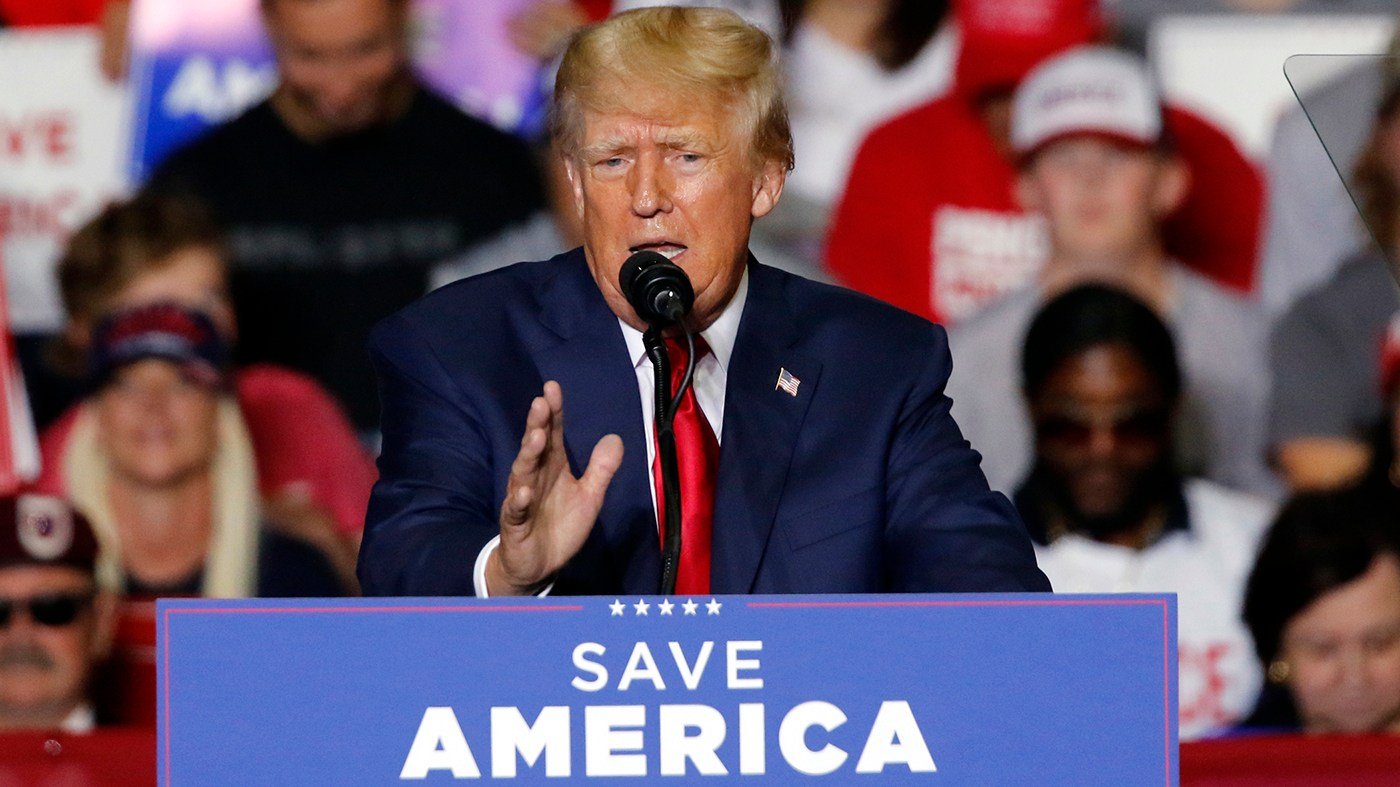
Meanwhile, the heat wave has disrupted events and daily life. In a separate incident, a Vanilla Ice concert at Trump's State Fair was nixed by weather after a mass artist boycott, highlighting how extreme conditions are affecting cultural and political gatherings.
Broader Implications
The heat wave also underscores the growing intersection of weather and politics. As the country faces more frequent and intense heat events, the need for comprehensive climate policy becomes more pressing. The UN warns that a 'super' El Niño may supercharge extreme weather globally, adding urgency to international cooperation on climate resilience.
For now, residents are left to endure the heat, with officials advising constant vigilance. The question on many minds is when conditions will finally let up—a question that, for now, has no clear answer.