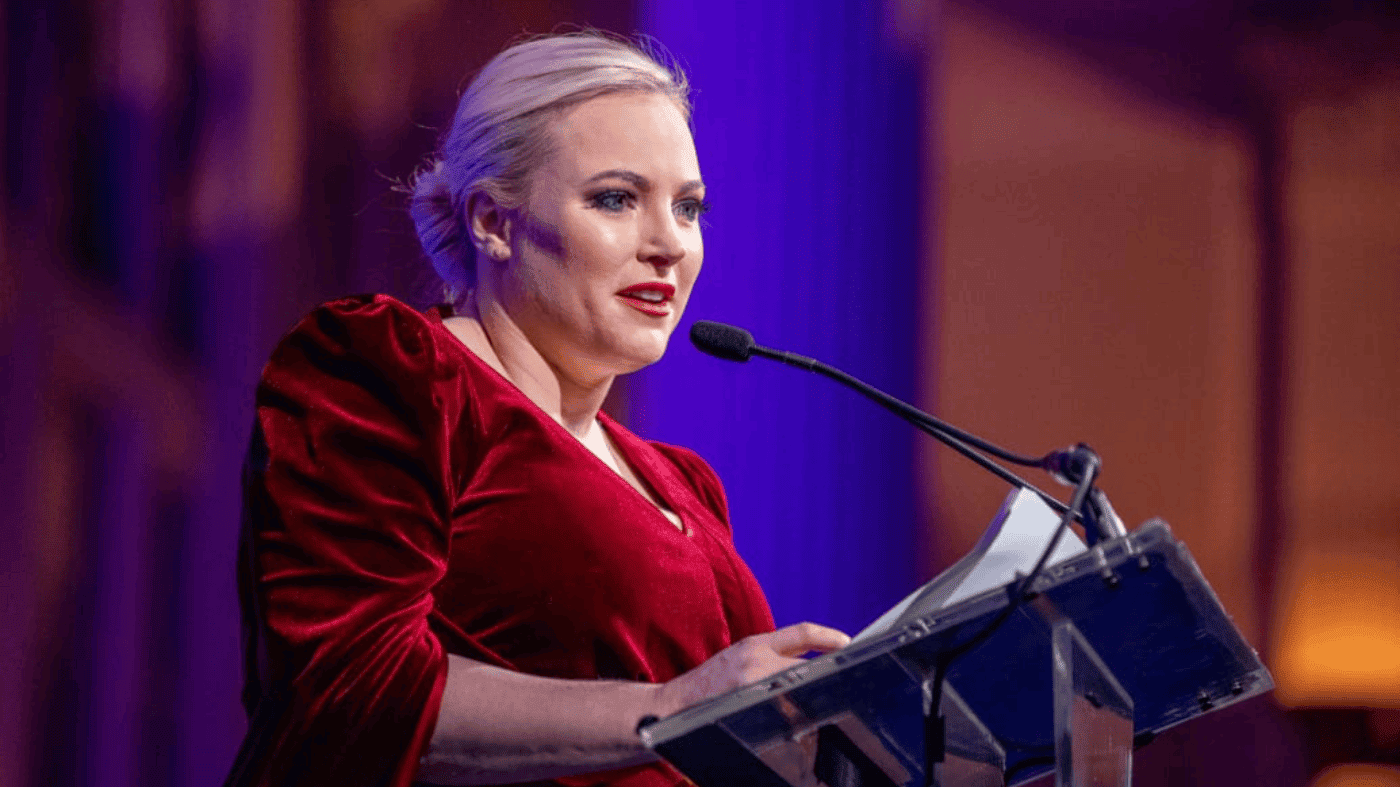
Tiffany Henyard, the former Democratic mayor of Dolton, Illinois, has launched a political resurrection attempt in Georgia, switching parties and filing as the sole Republican candidate for the Fulton County Commission's District 5 seat. This move comes immediately after a crushing primary defeat in Illinois, where nearly 90% of voters rejected her bid for another term.
A Trail of Financial and Legal Controversy
Henyard's tenure in Dolton was marked by severe financial mismanagement and multiple investigations. An independent review, led by former Chicago Mayor Lori Lightfoot, found that Henyard disregarded purchasing policies and concealed the village's dire fiscal state. Under her leadership, Dolton's finances plummeted from a $5.6 million surplus in 2022 to a $3.6 million deficit by 2024. The village has since sued Fifth Third Bank, alleging it allowed Henyard to improperly access $1.9 million in public funds.

Federal authorities are examining a $200,000 payment to a contractor whose owner was convicted of bribery, with the FBI serving subpoenas to her administration. Henyard also faces allegations of attempting to cover up a reported sexual assault of a township employee during a Las Vegas trip. Most recently, a court entered a $10,000 default judgment against her in a landlord-tenant dispute after she failed to appear for trial.
A Sudden Geographic and Political Shift
Henyard registered to vote in Georgia just two days after losing her Illinois primary. She is now running for a commission seat covering Atlanta's southern suburbs, despite potentially violating Georgia's one-year residency requirement for county office. She has yet to file required financial disclosures with the Georgia Ethics Commission, raising questions about the legitimacy of her campaign's foundation.
The party switch represents a stark political calculation. Having been decisively rejected by Illinois Democrats, Henyard is attempting to leverage a Republican ballot line in a new jurisdiction. This maneuver tests the gatekeeping role of political parties, as the Fulton County GOP has remained silent on her candidacy. The situation echoes other instances where party mechanisms are tested, such as when internal GOP dynamics shape funding battles or when enforcement actions become political flashpoints.
Accountability and Voter Scrutiny
Henyard's primary defense has been that she has not yet faced criminal charges. However, the breadth of documented misconduct presents a significant hurdle. Political observers note her deeper challenge may be a lack of established roots in the Georgia community she now seeks to represent. As one Emory University professor noted, Dolton voters knew her record and overwhelmingly rejected her; Fulton County voters do not know her at all.
This case underscores systemic failures in political accountability. While Dolton voters ultimately provided a check, Henyard's rapid relocation and party switch represent an attempt to circumvent that verdict. Her campaign now depends on whether Georgia voters and Republican officials will subject her past to sufficient scrutiny before granting access to new public resources.
The episode raises broader questions about candidate vetting and residency rules in an increasingly mobile political landscape. It occurs amid other complex accountability challenges, from federal probes into systemic failures to high-stakes investigations into technology export violations. Henyard's political future now hinges on whether Georgia's electoral sunlight proves as disinfecting as Illinois's.