Democratic Senators Demand Accountability from Insurance Industry Leaders
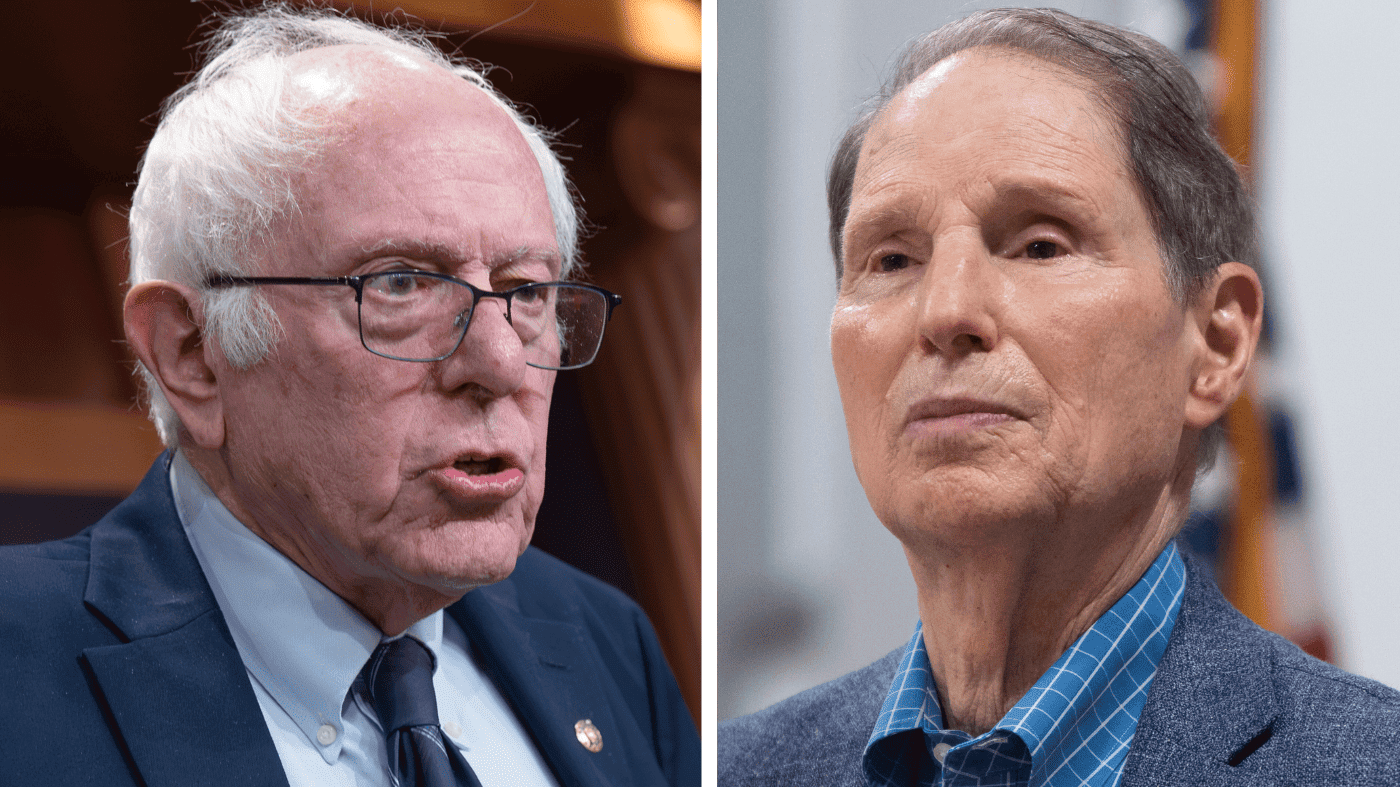
Two prominent Senate Democrats are escalating pressure on their Republican counterparts to bring the chief executives of the nation's largest health insurance companies before congressional committees for questioning. Senators Bernie Sanders, an Independent from Vermont who caucuses with Democrats, and Ron Wyden, a Democrat from Oregon, have formally requested that the GOP chairs of the Senate's health and finance panels organize hearings.
In a letter first obtained by The Hill, the senators directed their request to Senator Bill Cassidy of Louisiana, who chairs the Senate Health, Education, Labor, and Pensions Committee, and Senator Mike Crapo of Idaho, who chairs the Senate Finance Committee. They argue that such hearings are necessary to examine why insurance executives are “continuing to get rich” while a significant portion of the insured population delays or forgoes medical care due to high costs.

Linking Corporate Profits to Public Struggle
The lawmakers pointed to recent corporate financial reports showing billions in profits for several major insurers, alongside substantial stock buyback programs at firms like Cigna and Aetna. They contrasted this financial performance with recent polling data indicating a deepening crisis of affordability for American families.
“The American public deserves to know why the big insurance executives that testified before the House earlier this year continue to get rich, as over one-third of people with health insurance have been forced to skip or delay getting the care they need because of the outrageous cost,” Sanders and Wyden wrote. This move follows a similar hearing held earlier this year by the House Ways and Means Committee, which heard testimony from the CEOs of UnitedHealth Group, CVS Health, Elevance Health, Cigna, and others.
The senators noted that both Cassidy and Crapo have previously criticized health insurers for policies that drive up patient costs, suggesting a potential bipartisan opening for scrutiny. This tactic of demanding executive accountability is not new for Sanders, who has a history of pushing for congressional action on high-stakes issues.
Polling Data Fuels Political Pressure
To bolster their case, Sanders and Wyden cited recent surveys that place healthcare affordability at the forefront of voter anxiety. A KFF poll found Americans are more worried about affording medical care than other essential expenses like food, rent, or fuel. Similarly, a new Gallup poll indicates that the “availability and affordability” of healthcare has risen to become the top domestic concern for Americans for the first time since 2020, surpassing even general economic worries.
“We agree,” the senators wrote, referencing the polling. “It is time for our committees to hold the chief executives of the major health insurance companies accountable for their greed and to address the health care crisis in America, as our colleagues in the House did earlier this year on a bipartisan basis.” This demand for transparency and corporate testimony mirrors other recent congressional efforts, such as when lawmakers have sought documents on controversial government settlements.
The call for hearings also intersects with broader policy debates about market concentration in the medical sector. Critics argue that corporate consolidation in healthcare reduces competition and can negatively impact both prices and patient outcomes, adding another layer of relevance to the proposed executive questioning.
Whether the Republican committee chairs will accede to the request remains uncertain. The outcome will signal the Senate's appetite for confronting the insurance industry directly amid a potent political issue. The push reflects a growing legislative focus on executive accountability, seen in other contexts like the bipartisan demand for answers on visits by sanctioned Russian officials.