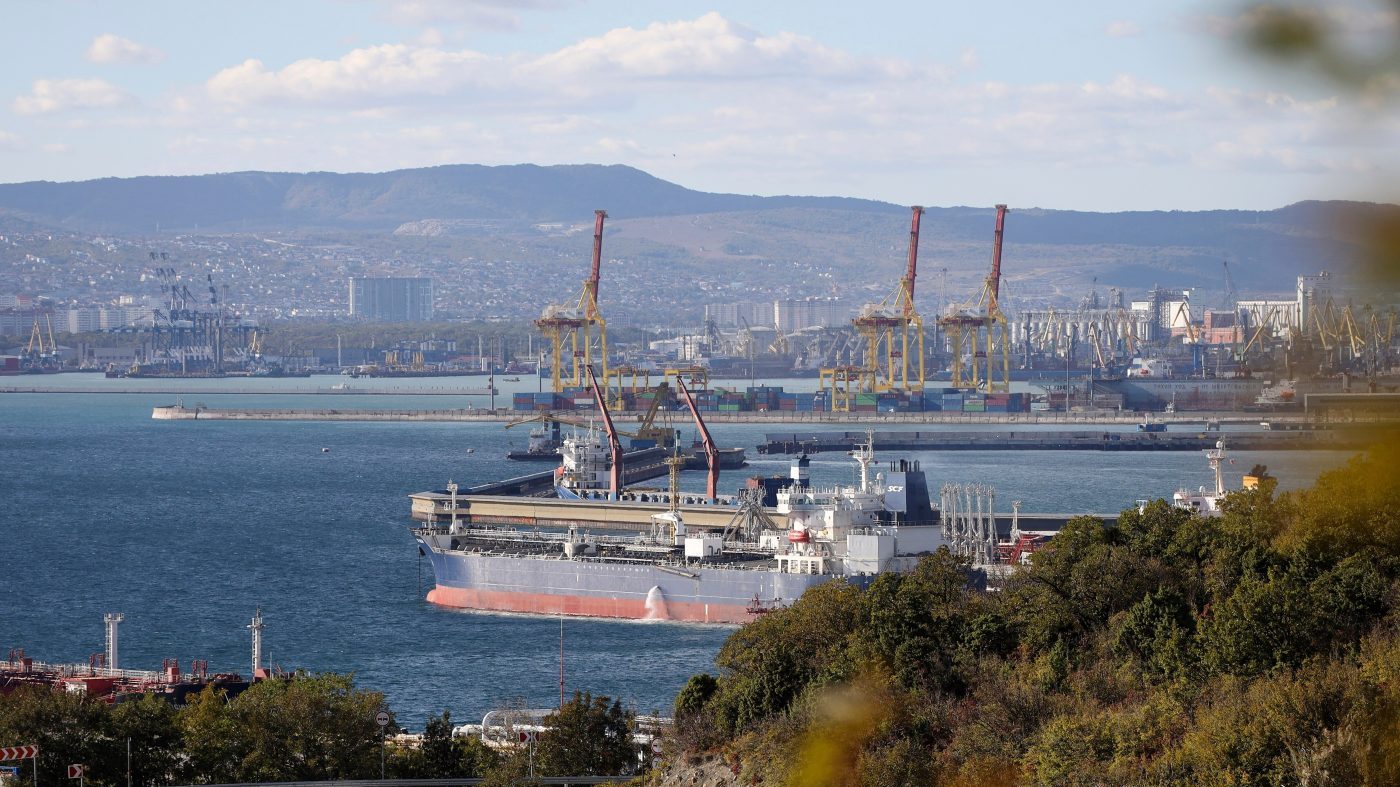
Two oil tankers, one flagged in Hong Kong and another in Russia, are currently crossing the Atlantic Ocean bound for Cuba, according to maritime intelligence reports. Their arrival would mark the first delivery of foreign fuel to the island in three months and represents a direct challenge to the comprehensive U.S. economic embargo enforced by the Trump administration.
A Test of Sanctions and a Lifeline for Havana
The vessels, identified as the Sea Horse and the Anatoly Kolodkin, are carrying Russian gasoil and are expected to reach Cuban shores within days. Their journey comes at a critical moment for the Cuban government, which is grappling with a catastrophic energy shortage. Earlier this week, the nation's electrical grid failed entirely, leaving nearly 11 million people without power for over 29 hours before partial service was restored.

This energy crisis is a direct consequence of the oil embargo imposed by President Trump in January, following U.S. military actions in Venezuela. The embargo has crippled Cuba's economy, exacerbating existing shortages of food, water, and medicine and creating a worsening humanitarian situation.
U.S. Pressure and Russian Assistance
The Trump administration has consistently used economic pressure as a tool to demand political reform from the communist government in Havana. President Trump has publicly warned other nations against conducting business with Cuba, stating the country is "very weakened" and suggesting he could "do anything" with it. Despite this stance, the Treasury Department has concurrently eased some sanctions on Russian and Venezuelan oil to increase global supply, a move analysts say has had little effect on surging prices compared to the strategic importance of the Strait of Hormuz.
In response to Cuba's plight, Moscow has signaled its readiness to assist. Kremlin spokesperson Dmitry Peskov stated Russia is "ready to provide all possible assistance" to Havana. This potential energy delivery underscores the geopolitical dimensions of the crisis, with Russia positioning itself against U.S. policy in America's traditional sphere of influence.
Diplomatic Tensions and Domestic Crisis
The arrival of the tankers coincides with ongoing, tense discussions between U.S. and Cuban officials aimed at addressing "bilateral differences." Cuban President Miguel Díaz-Canel has accused the United States of threatening the island "almost daily" and vowed "impregnable resistance" to any aggression. This rhetoric follows Trump's recent comments about Cuba, which have further inflamed tensions.
The situation presents a complex policy challenge for Washington. While maintaining maximum pressure on Cuba, the administration is navigating other volatile international issues, including extended ultimatums with Iran. The convergence of these crises tests the coherence and application of U.S. sanctions policy across multiple fronts.
If the Russian tankers successfully dock and offload their cargo, it will represent a significant breach of the U.S.-led embargo and a propaganda victory for both Havana and Moscow. It remains unclear what specific enforcement actions, if any, the Trump administration might take against the vessels or their operators, setting the stage for a potential maritime standoff or a recalibration of sanctions enforcement.
The episode highlights how global energy markets and geopolitical rivalries are directly impacting the severe domestic crisis in Cuba. The outcome will be closely watched as a measure of both the resilience of U.S. sanctions and the limits of Washington's ability to isolate nations within its own hemisphere, especially as it manages concurrent conflicts elsewhere.