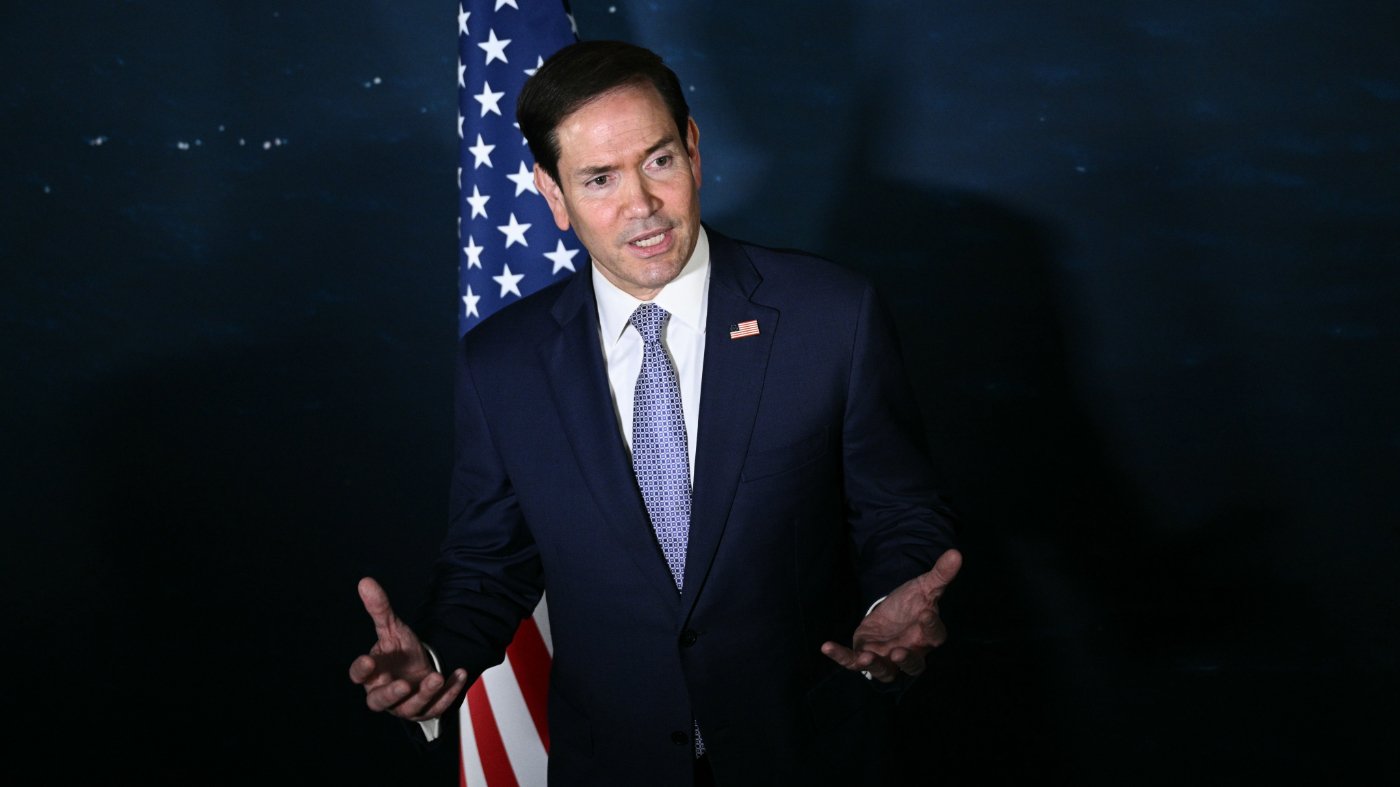
Secretary of State Marco Rubio has given new life to a familiar political slogan, adapting it to the hemisphere: 'Make the Americas Great Again.' What might seem like wordplay actually captures a significant shift in U.S. foreign policy, as the interests of the United States and much of Latin America increasingly move in the same direction.
This alignment, long elusive, is now tangible. It requires someone to articulate it and turn shared interests into policy. While no single person deserves sole credit, Rubio has been central. As the son of Cuban immigrants and the first Latino to lead the State Department, he has placed the Western Hemisphere at the center of American strategic thinking, not as an afterthought but as a region where the U.S. stands to benefit as much as its allies.
The realignment is visible in three key areas. First, the administration has shifted toward using political ambassadors as instruments of economic diplomacy. Embassies are now frontline tools for advancing U.S. commercial interests, from critical minerals to strategic infrastructure. In Latin America, missions are fully staffed and often led by political appointees with direct White House ties, such as Bernie Navarro in Peru, Kevin Marino Cabrera in Panama, and Peter Lamelas in Argentina. This investment signals the hemisphere's elevated priority in U.S. strategy, grounded in interest alignment rather than aid.
Second, the common agenda itself has substance. The 2025 National Security Strategy guides cooperation in areas where U.S. and Latin American interests converge. Combating transnational crime is now a shared operational priority, not just rhetoric. Beyond security, both sides see value in preserving strategic balance, reinforcing energy security, and building resilient supply chains for critical U.S. industries, including defense. This approach, championed by Rubio, moves beyond traditional assistance to practical partnership.
Third, political momentum has made this convergence possible. The administration prefers bilateral engagement over multilateral negotiations, seeking out countries that share its interests. Latin America's recent rightward shift, with election victories by Keiko Fujimori in Peru, Jose Antonio Kast in Chile, and Abelardo de la Espriella in Colombia, has lowered political friction. While electoral outcomes guarantee nothing, political affinity reduces roadblocks and facilitates cooperation.
This convergence positions the United States to reclaim its role as the principal ally for Latin American governments willing to share the burden of regional security and stability. However, every major repositioning needs a leader to connect its pieces and drive its purpose. Rubio has proven equal to that task, translating vision into policy and ensuring the hemisphere is no longer an afterthought in American strategy.
For context, Rubio has also been active on other fronts, such as hosting a global summit targeting far-left political violence and chairing the first EDAG meeting to reshape U.S. economic statecraft. His influence extends beyond the hemisphere, but his focus on the Americas reflects a broader strategic vision.