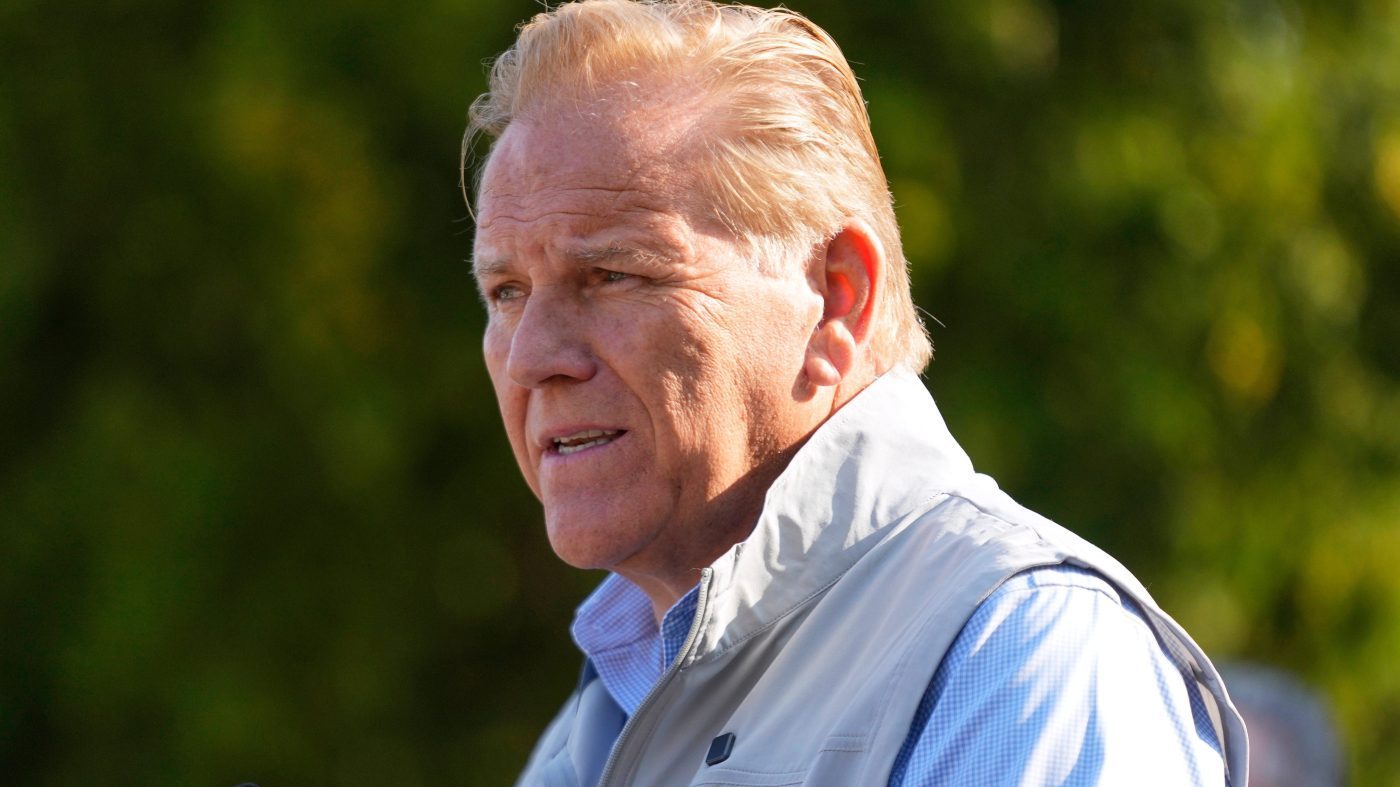
In a move that underscores the growing political weight of data center development, Republican Senate candidate Mike Rogers is proposing a one-year freeze on new construction in Michigan, arguing that communities need time to address unresolved questions about the facilities' impact.
Rogers, a former congressman who has secured President Trump's endorsement, made the case during an interview with NewsNation's Katie Pavlich, pointing to what he described as widespread unease among voters he has met on the campaign trail. “There is so much concern out there with Michigan citizens,” Rogers said. “My argument is that we need to walk through those issues before we just throw these things out.”
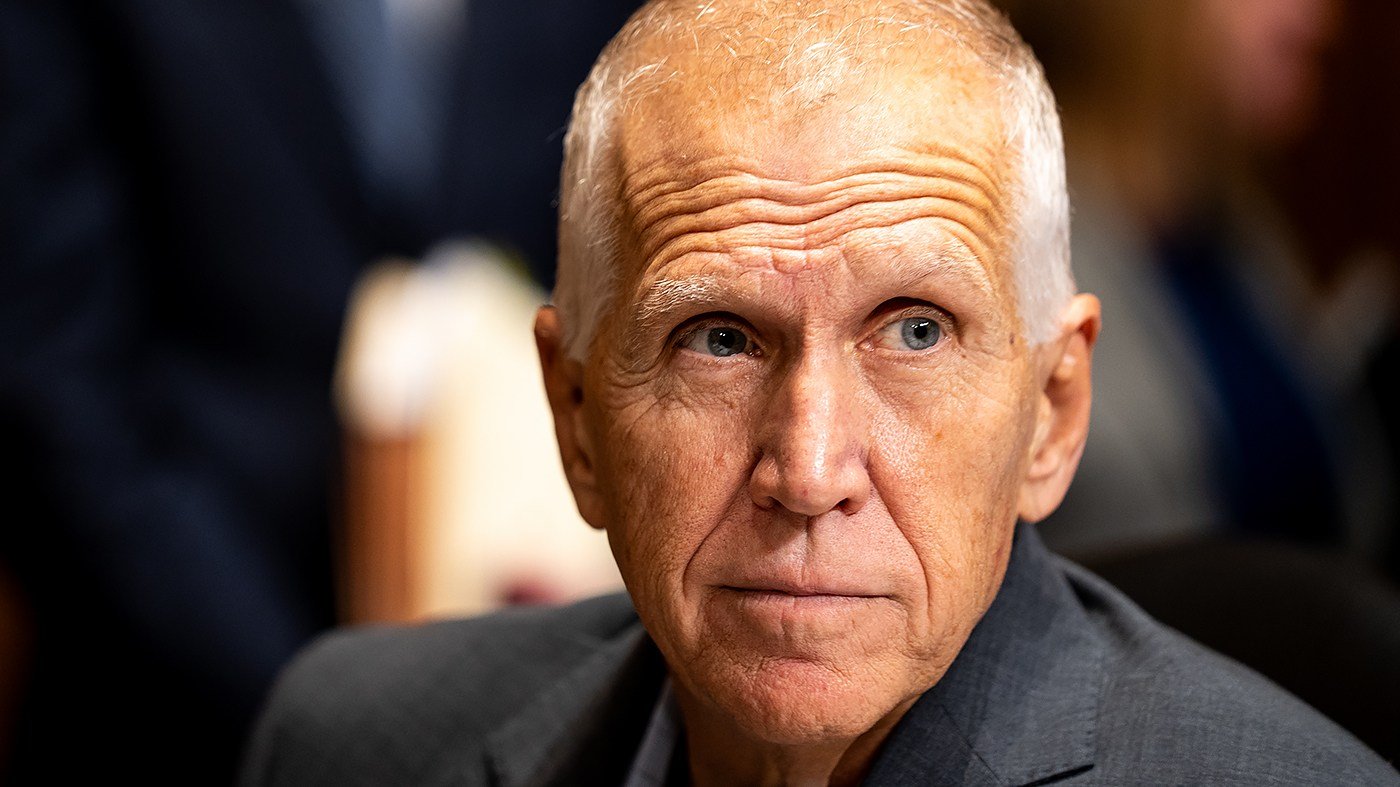
The call for a moratorium places Rogers at odds with his Democratic rival, Abdul El-Sayed, who has proposed a set of “terms of engagement” for data centers operating in the state. Rogers criticized El-Sayed's approach, saying the progressive “wants to send [this issue] to Washington, D.C., to make the decisions on it.”
“I think that's a terrible idea,” Rogers continued. “The people who need to make these decisions live in these communities.”
El-Sayed, who currently holds a narrow lead in polls in the Michigan Senate race, has outlined measures that include restricting energy rate hikes tied to data center operations, requiring community input on new projects, ensuring job creation, and mandating closed-loop cooling systems to reduce water pollution.
The two are competing for the seat being vacated by retiring Democratic Sen. Gary Peters. The Cook Political Report rates the contest as a “toss up,” making it one of the most closely watched races in the country.
Data centers have become a flashpoint in campaigns nationwide. Proponents argue they bring jobs and bolster artificial intelligence development, while critics raise concerns about environmental damage and rising electricity costs. The debate has intensified as states like Texas have begun to pause approvals of new facilities.
Trump, however, has pushed back against such moratoriums. Earlier this month, he criticized Texas Gov. Greg Abbott's decision to halt new data center projects in that state. “I'm not taking positions,” Trump told Punchbowl News. “I just think it's a mistake because there are other communities that want it. When a community wants it, it means a lot of money is going to come into that community.”
Rogers' proposal could resonate with voters in rural and suburban areas where data centers have sparked local disputes over land use, water consumption, and grid reliability. But it also puts him in a delicate position, as Trump has championed the industry as a driver of economic growth and technological leadership.
El-Sayed's campaign has sought to frame the issue as one of consumer protection and local control, arguing that data centers should not be allowed to shift costs onto ratepayers or degrade the environment. His recent challenge to Rogers for a football match after a debate snub suggests the race is heating up beyond policy differences.
With the election approaching, the data center debate is likely to remain a key point of contrast between the two candidates, reflecting broader national tensions over how to balance technological progress with community interests.