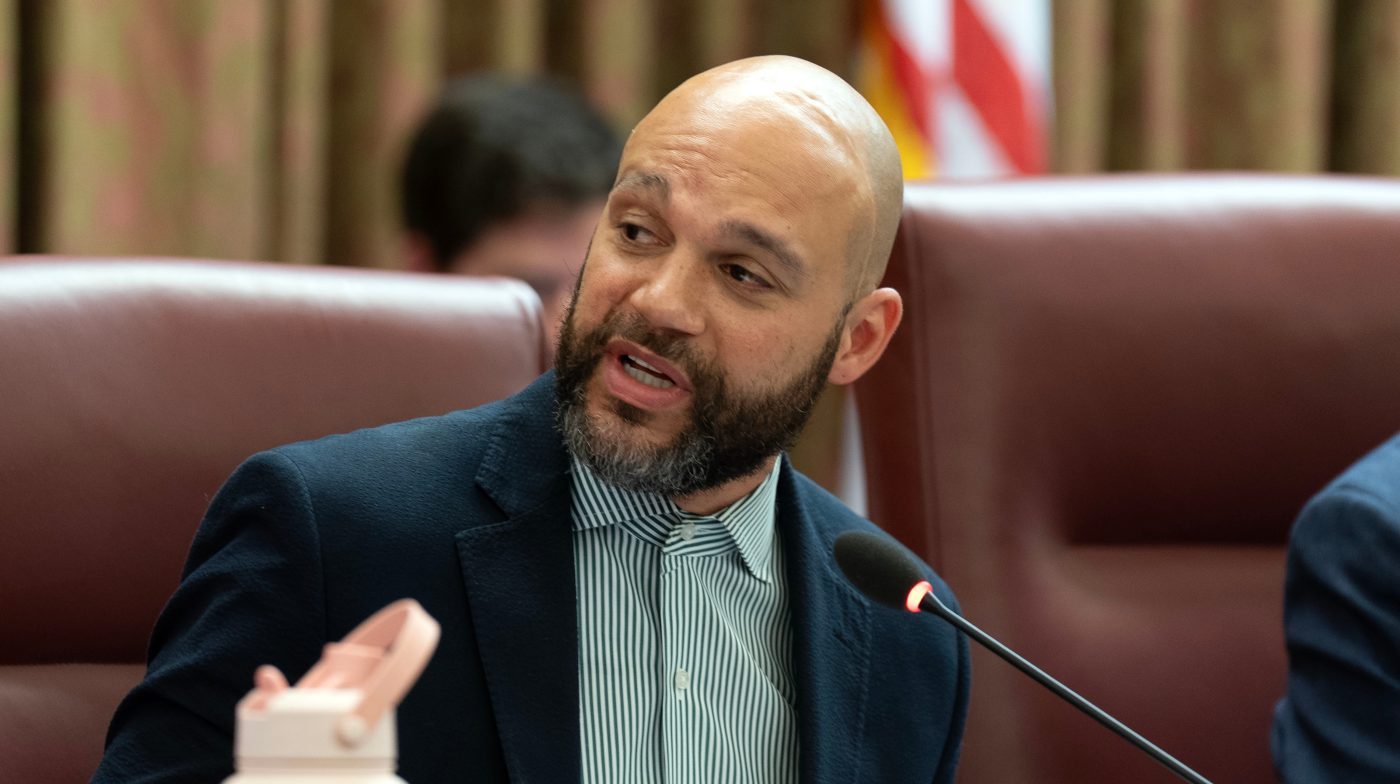
Councilmember Robert White has secured the Democratic primary for Washington, D.C.'s nonvoting delegate seat in the U.S. House, according to projections from Decision Desk HQ. The victory positions White as the likely successor to longtime Delegate Eleanor Holmes Norton, who announced her retirement earlier this year after serving 18 terms.
White, an at-large member of the D.C. City Council, will face a general election in a city where registered Democrats make up roughly three-quarters of the electorate, according to Board of Elections data. That near-certain path to victory means White is poised to become just the third person to represent the District on Capitol Hill since the modern delegate office was established in 1970.

A Competitive and Costly Primary
The race to replace Norton drew a crowded field of Democrats, making it the most expensive primary on record for the office. Norton's decision to retire after 34 years in the House opened the door for a competitive contest that drew significant spending and attention.
White, who previously worked as a legislative aide and counsel to Norton, campaigned on a platform of advancing D.C. statehood and securing full representation for the District's 700,000 residents. Delegates can participate in House debates but are barred from voting on legislation, a limitation that has long frustrated D.C. leaders.
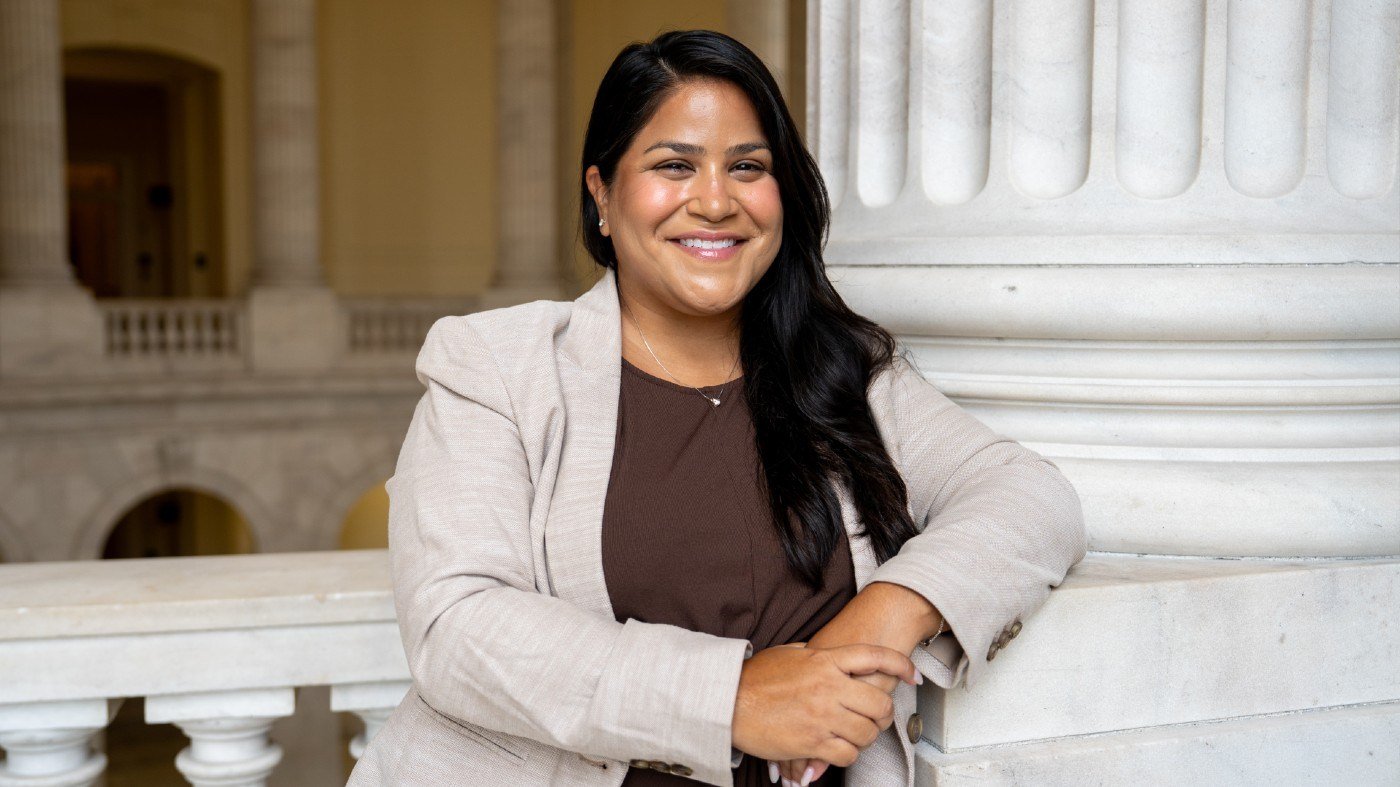
The Democratic primary featured multiple candidates, including Councilmember Christina Pinto and former congressional aide John Capozzi. White's experience on the council and his ties to Norton helped him stand out in a field that struggled to gain traction with voters.
Historical Context and Representation
D.C. remains a federal district without full voting representation in Congress. The delegate office, created in 1970, provides the District's only voice in the House, but there is no Senate seat or Electoral College vote. Norton succeeded Democrat Walter Fauntroy, who held the seat from 1971 to 1991. Both Fauntroy and Norton are African American Democrats representing a district where more than half of residents are Black, according to city data.
White's likely victory in November will continue that legacy. He has pledged to push for statehood and to use the delegate's platform to advocate for D.C. interests, including federal funding and local autonomy. The race also comes amid broader national debates about representation for the District, with Democrats in Congress frequently introducing statehood bills that have stalled in the Senate.
Looking Ahead
White's general election opponent is expected to be a Republican or third-party candidate, though the Democratic lean of the city makes the outcome all but assured. The primary win also positions White as a potential rising star in D.C. politics, with some speculating about a future run for mayor or a higher office.
The race attracted national attention as a bellwether for Democratic organizing and as a test of the party's ability to rally behind candidates who can articulate a clear message on representation. White's campaign focused on affordability, anti-corruption, and local control, themes that resonated with voters in a city grappling with rising costs of living and ongoing debates about home rule.
As the general election approaches, White will likely face little opposition, but the symbolic importance of the delegate seat remains significant. For now, the focus shifts to November, when White will officially assume the role of D.C.'s voice in the House.